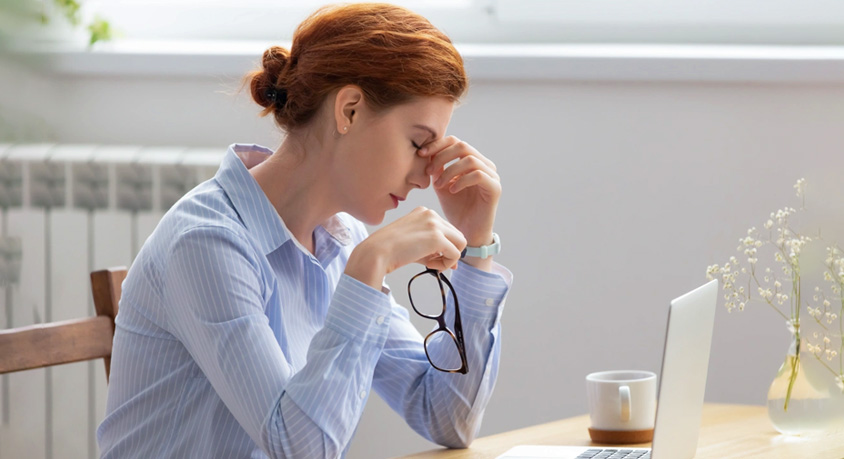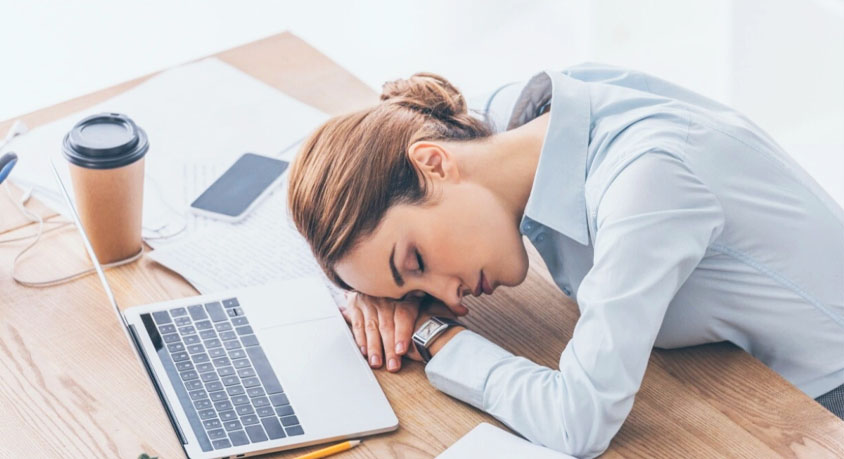
You hit snooze three times, finally dragging yourself out of bed, feeling like you haven’t slept at all. You chug a cup of coffee, but the energy boost fades within an hour, leaving you sluggish and irritable by mid-morning. You’ve been told to “go to bed earlier,” but even when you sleep 8 hours, you still wake up tired. You wonder: Why am I so fatigued in the morning if I got enough sleep? Is morning tiredness just a sign of poor sleep, or is there something else affecting my energy?
- 1、Morning Fatigue Often Stems From Poor Sleep Quality, Not Just Duration
- 2、Your Circadian Rhythm Plays a Key Role in Morning Energy
- 3、Screen Time Before Bed Worsens Morning Fatigue
- 4、What You Do First Thing in the Morning Impacts Energy
- 5、Morning Sunlight Boosts Energy and Aligns Your Circadian Rhythm
- 6、FAQs
As someone with a background in sleep physiology and psychology, I’m here to break down the myth that morning fatigue only comes from not sleeping enough. While sleep duration matters, how you sleep and what you do first thing in the morning have a bigger impact on your energy levels. Morning fatigue is often a sign of poor sleep quality, misaligned circadian rhythms, or habits that sabotage your wake-up routine—all of which are fixable with simple, science-backed changes.
Morning Fatigue Often Stems From Poor Sleep Quality, Not Just Duration
Many people think 7-9 hours of sleep guarantees they’ll wake up energized, but sleep quality is just as important as quantity. If your sleep is fragmented—waking up multiple times at night, or spending too little time in deep sleep—you’ll feel tired even after 8 hours.
A 2024 study in the Journal of Sleep Research found 68% of people with morning fatigue get enough sleep but have poor sleep quality. Deep sleep (the stage where your body repairs itself) and REM sleep (critical for mental recovery) are essential for waking up refreshed. If these stages are disrupted—by snoring, light, or stress—you’ll wake up feeling drained.
How to Check Your Sleep Quality
Pay attention to how you feel when you wake up naturally (without an alarm). If you wake up alert and ready to start the day, your sleep quality is good. If you feel groggy, even after 7+ hours, your sleep is likely fragmented. A sleep tracker can also help—look for consistent deep and REM sleep cycles.
Your Circadian Rhythm Plays a Key Role in Morning Energy
Your circadian rhythm (your body’s internal clock) regulates when you feel sleepy and when you feel awake. When this rhythm is misaligned—from staying up late on weekends, sleeping in, or exposure to light at the wrong times—your body doesn’t know when to “wake up” fully, leading to morning fatigue.
A 2023 study by the Sleep Foundation found people who have inconsistent sleep schedules (varying bedtime/wake-up time by 1+ hour) are 50% more likely to experience morning fatigue than those with a consistent routine. Your body thrives on predictability—going to bed and waking up at the same time every day (even weekends) aligns your circadian rhythm and improves morning energy.

Screen Time Before Bed Worsens Morning Fatigue
Using phones, laptops, or TVs before bed emits blue light, which suppresses melatonin (the hormone that helps you sleep). This delays your sleep onset, reduces deep sleep, and leaves you feeling tired in the morning.
A 2025 study in the Journal of Clinical Sleep Medicine found people who use screens within 1 hour of bed have 25% less deep sleep and are 30% more likely to report morning fatigue. Even “night mode” doesn’t fully block blue light—avoid screens 1 hour before bed, or use a blue light filter if you can’t.
What You Do First Thing in the Morning Impacts Energy
Your morning routine can either boost your energy or keep you fatigued. Hitting snooze, staying in a dark room, or drinking coffee immediately after waking up can all worsen morning tiredness.
When you hit snooze, you enter a new sleep cycle that’s cut short, leaving you more groggy (this is called “sleep inertia”). A 2024 survey by the American Academy of Sleep Medicine found people who hit snooze 3+ times a day are 40% more likely to feel fatigued by mid-morning. Instead, set your alarm for the time you actually need to wake up, and get out of bed immediately.
Morning Sunlight Boosts Energy and Aligns Your Circadian Rhythm
Exposing your eyes to natural sunlight within 30 minutes of waking up signals to your brain that it’s time to be awake. This suppresses melatonin, boosts serotonin (the “mood and energy” hormone), and aligns your circadian rhythm for the day.
A 2023 study in the International Journal of Environmental Research and Public Health found people who get 10-15 minutes of morning sunlight have 35% less morning fatigue and better energy throughout the day. Even on cloudy days, natural light is more effective than indoor light at waking up your body.
FAQs
Q: If I sleep 8 hours, why am I still tired in the morning?
A: Sleep quality matters more than duration. If your sleep is fragmented (waking up often) or you’re not getting enough deep/REM sleep, you’ll feel tired. Inconsistent sleep schedules or screen time before bed can also disrupt your circadian rhythm, worsening morning fatigue.
Q: Does drinking coffee first thing in the morning help with fatigue?
A: It can temporarily boost energy, but it doesn’t fix the root cause of morning fatigue. Drinking coffee too early (within 30 minutes of waking up) can also lead to a mid-morning crash. Wait 30-60 minutes after waking up to drink coffee—this gives your body time to naturally boost energy first.
Q: How long does it take to fix morning fatigue?
A: With consistent habits (consistent sleep schedule, morning sunlight, limiting screen time before bed), most people notice less morning fatigue within 1-2 weeks. It takes 4-6 weeks to fully align your circadian rhythm and improve sleep quality for long-term energy.