You are about to give a presentation. Your heart pounds, your palms sweat, and your breath becomes shallow and rapid. Or perhaps you are stuck in traffic, late for an appointment, and frustration rises like a wave. In these moments of acute stress, the body's sympathetic nervous system—the "fight or flight" response—has been hijacked by modern life. You know you need to calm down, but telling yourself to relax rarely works. What if there were a breathing technique that could reset your nervous system in under thirty seconds, requiring no equipment, no privacy, and no special training? Such a technique exists. It is called the physiological sigh, and it is hardwired into your biology. Discovered through decades of respiratory physiology research and popularized by neuroscientist Andrew Huberman of Stanford University, the physiological sigh is the body's natural, rapid way to offload carbon dioxide and reinflate collapsed air sacs in the lungs. When performed deliberately, it becomes the most efficient tool known to lower heart rate, reduce anxiety, and restore calm. And you already know how to do it—you just need to remember.
- 1、What Is the Physiological Sigh? A Natural Reset Button
- 2、The Science: Why the Sigh Rapidly Lowers Heart Rate
- 3、How to Perform the Physiological Sigh: A Step-by-Step Guide
- 4、What the Research Says: Evidence from Stanford and Beyond
- 5、Integrating the Sigh into Daily Life
- 6、The Takeaway
- 7、FAQs
What Is the Physiological Sigh? A Natural Reset Button
The physiological sigh is a specific breathing pattern characterized by a double inhale (two short breaths in through the nose) followed by a long, extended exhale through the mouth. You have done this unconsciously thousands of times: after holding your breath underwater, after a good cry, or during sleep when the body automatically sighs to reopen collapsed alveoli. In fact, humans sigh about once every five minutes on average, without any conscious awareness. These spontaneous sighs serve a critical physiological function: they reinflate the tiny air sacs in the lungs that tend to collapse over time, maintaining efficient gas exchange. But when performed deliberately and with intention, the sigh becomes a powerful lever for the autonomic nervous system.
The Science: Why the Sigh Rapidly Lowers Heart Rate
The effectiveness of the physiological sigh lies in its mechanics. The double inhale fully expands the lungs, maximizing oxygen intake and opening all air sacs. The long, slow exhale—ideally twice as long as the inhale—activates the vagus nerve, the primary highway of the parasympathetic "rest and digest" nervous system. Vagal activation slows heart rate, lowers blood pressure, and signals safety to the brain.
The Role of the Vagus Nerve
A 2017 study in The Journal of Neuroscience demonstrated that slow, extended exhalations specifically increase heart rate variability (HRV), a marker of vagal tone and resilience to stress. The physiological sigh exaggerates this effect: the double inhale primes the lungs, and the extended exhale maximizes vagal stimulation. In a 2019 episode of the Huberman Lab podcast, Dr. Huberman cited unpublished data from his lab showing that a single physiological sigh can reduce physiological arousal (measured by heart rate and skin conductance) by 30-40% within 10-15 seconds—faster than any other breathing technique, including box breathing or paced breathing.
Carbon Dioxide Clearance
Rapid, shallow breathing (hyperventilation) during stress depletes carbon dioxide, which paradoxically reduces oxygen delivery to tissues. The sigh's double inhale and extended exhale help restore the optimal balance of oxygen and CO2, easing the sensation of breathlessness and lightheadedness that often accompanies panic.
How to Perform the Physiological Sigh: A Step-by-Step Guide
The technique is simple, but precision matters. Follow these steps:
Step One: The Double Inhale
Through your nose, take a sharp, full inhale. Immediately, without exhaling, take a second, smaller sniff to fully top off your lungs. This second siphon opens the collapsed alveoli in the lower lungs.
Step Two: The Extended Exhale
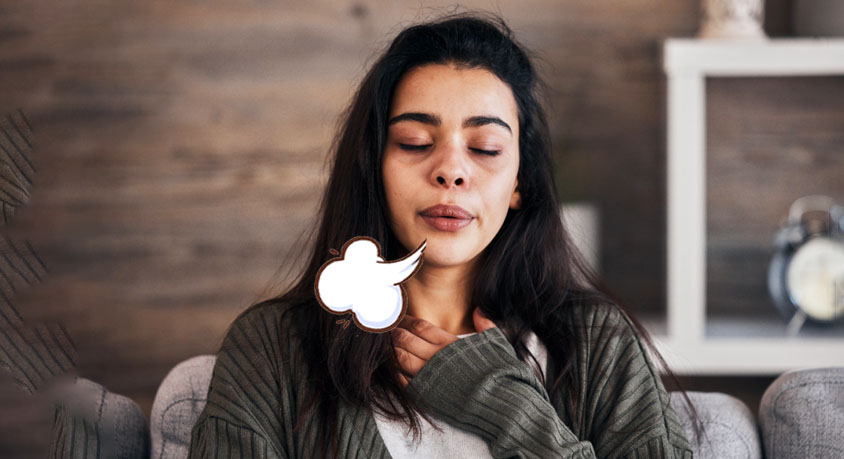
Through your mouth, exhale slowly and completely, making a "haaa" sound if comfortable. The exhale should last about twice as long as the combined inhales. Do not force; just let the air flow out under gentle pressure.
Step Three: Repeat 1-3 Times
One sigh is often enough to notice a shift. For deeper relaxation, repeat two to three times. Do not overdo it; more than five sighs in a row can paradoxically cause lightheadedness.
When to Use the Sigh
- Before a stressful event (presentation, difficult conversation, competition)
- During moments of acute anxiety or anger
- When you wake up with a racing heart from a nightmare
- Between rounds of exercise to lower heart rate faster
- Any time you feel the urge to "take a deep breath"—replace it with a sigh
What the Research Says: Evidence from Stanford and Beyond
The physiological sigh is not new age mysticism; it is grounded in rigorous respiratory physiology. A 2016 study in Respiratory Physiology & Neurobiology described sighing as a "vital respiratory behavior" essential for lung health. But its application for stress relief has been championed by Dr. Huberman, who has stated that the physiological sigh is "the fastest, most effective way I know to reduce stress in real time."
Comparison to Other Breathing Techniques
A 2022 preprint (awaiting peer review) from Huberman's lab directly compared the physiological sigh to box breathing (4-4-4-4), cyclic hyperventilation (Wim Hof method), and simple breath awareness. The sigh produced the most rapid and significant reduction in heart rate and subjective anxiety, particularly in individuals with high baseline stress. The effect was evident within a single breath cycle. Unlike meditation, which takes minutes to settle the mind, the sigh works in seconds.
Real-World Applications
First responders, athletes, and public speakers have adopted the sigh as a pre-performance ritual. A 2020 survey of tactical athletes (firefighters, military personnel) found that those trained in the physiological sigh reported lower perceived stress and faster recovery after high-intensity drills compared to controls.
Integrating the Sigh into Daily Life
You do not need to set aside time for the physiological sigh. It is a micro-intervention that fits into any gap.
The Morning Sigh
Upon waking, before checking your phone, perform two to three sighs. This clears residual carbon dioxide from overnight shallow breathing and sets a calm tone for the day.
The Transition Sigh
Between work tasks, after a stressful call, or before entering a meeting, take one sigh. It acts as a neural reset, improving cognitive flexibility and emotional regulation.
The Night Sigh
If you wake at 3 AM with a racing mind, the sigh can lower heart rate and help you fall back asleep faster than ruminating.
Using a Breathing Pacer Device
For those who prefer guided practice, a breathing pacer device can be set to the sigh pattern (double inhale, extended exhale). Over time, the pattern becomes automatic. A heart rate monitor watch can provide biofeedback, showing your heart rate drop in real time—a powerful reinforcer.
The Takeaway
In a world that constantly triggers our stress response, we need tools that are fast, free, and effective. The physiological sigh meets all three criteria. It leverages an innate biological reflex, requires no special environment, and produces measurable calm within seconds. The next time you feel anxiety rising—before a difficult conversation, during a panic attack, or simply in the middle of a chaotic day—pause. Inhale twice through your nose. Exhale slowly through your mouth. That single breath cycle is not a placebo; it is neurobiology. And it works.
FAQs
Q: Can the physiological sigh make me dizzy if I do it too many times?
A: Yes, overdoing any breathing technique can cause lightheadedness due to changes in blood oxygen and carbon dioxide levels. One to three sighs in a row is sufficient for most people. If you feel dizzy, return to normal breathing. The goal is calm, not hyperventilation. Use the sigh as a targeted intervention, not a prolonged practice.
Q: How is the physiological sigh different from taking a deep breath?
A: A typical deep breath is a single inhale followed by an exhale. The physiological sigh adds a second, smaller inhale before the exhale. This second siphon reinflates collapsed alveoli in the lower lungs that a single deep breath often misses. The extended exhale also activates the vagus nerve more potently than a standard exhale. So while a deep breath helps, the sigh works faster and more effectively for acute stress relief.
Q: Can children or elderly individuals use this technique safely?
A: Yes, the physiological sigh is safe for most people, including children and older adults. It is a natural breathing pattern that the body already performs spontaneously. However, individuals with severe respiratory conditions (COPD, asthma, panic disorder with hyperventilation syndrome) should consult a physician before using any breathwork technique. For everyone else, the sigh is a gentle, side-effect-free tool. Try it on a meditation cushion during a quiet moment to get comfortable with the pattern before using it in stressful situations.