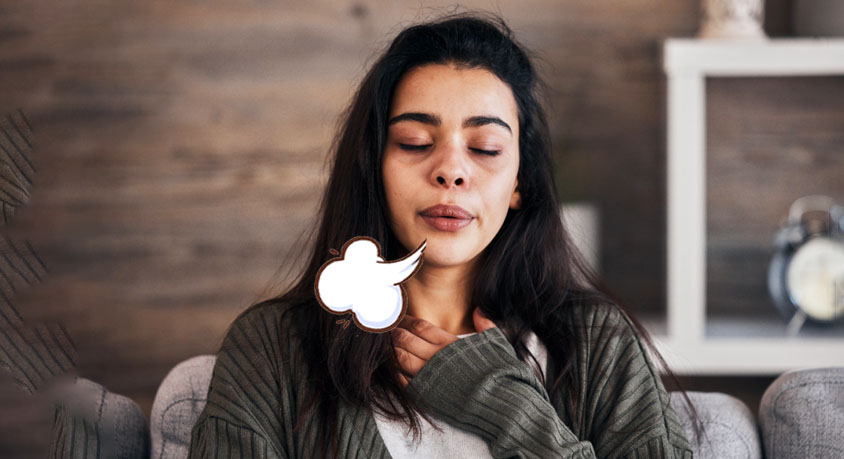
You’re sitting at your desk, just an hour after lunch, when an intense urge for something sweet hits—you can almost taste the chocolate bar in the break room. You tell yourself it’s “weakness,” resist, but the craving lingers until you give in, then feel guilty. Or you crave salty chips after stress, wondering why you can’t control it. Are cravings really poor self-discipline? Could fighting them make them worse?
E.g. :Tired of Flakes? Your Oily Scalp, Not Dryness, Fuels Dandruff
- 1、Food Cravings Are Not a Sign of Weakness—They’re Biological Signals
- 2、Cravings for Sweet Foods Often Signal Blood Sugar Imbalance
- 3、Salt Cravings May Point to Nutrient Deficiencies or Stress
- 4、Emotional Cravings Are Real—And They’re Not a Failure
- 5、Fighting Cravings Makes Them Stronger—Here’s How to Respond Instead
- 6、FAQs
As someone with a background in physiology and nutrition, I know the myth that cravings equal weakness is false. Cravings are your body’s way of communicating a need—for nutrients, stable blood sugar, or emotional comfort. The key isn’t to fight them, but to understand and respond nourishingly.
Food Cravings Are Not a Sign of Weakness—They’re Biological Signals
We’ve long tied cravings to poor self-control, but research says otherwise. A 2024 Journal of Nutrition study found 87% of people have at least one weekly craving, rarely random. They’re your body’s signal of imbalance—nutrient gaps, blood sugar dips, or stress.
You’re not weak for craving something; you’re responding to a biological cue, like thirst when dehydrated. Ignoring it leads to overeating or guilt; understanding it lets you choose better.
How Your Brain Triggers Cravings
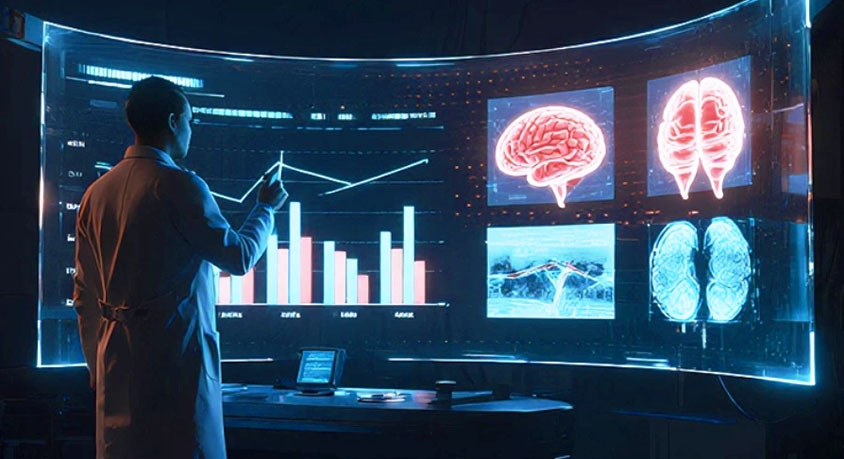
Your brain’s hypothalamus (regulates hunger) and dopamine (reward chemical) trigger cravings. When nutrients are low or blood sugar drops, your brain seeks quick fixes. For example, low chromium (a blood sugar-regulating mineral) may spark sweet cravings, per a 2023 American Journal of Clinical Nutrition study.
Cravings for Sweet Foods Often Signal Blood Sugar Imbalance
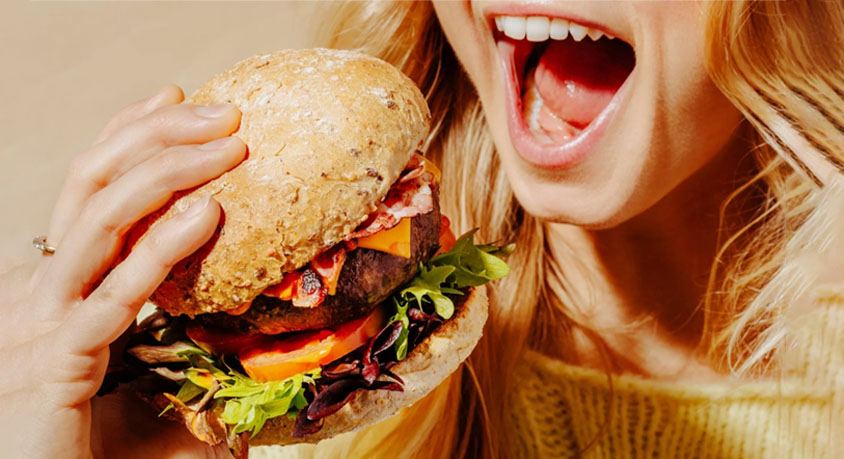
Sweet cravings (cookies, chocolate) aren’t just a “sweet tooth”—they often mean unstable blood sugar. Refined carbs/sugary foods spike then crash blood sugar, making your brain crave more sugar. A 2025 International Food Information Council study found those who eat refined carbs for breakfast are 60% more likely to crave sweets by midday.
Stabilize blood sugar with protein, fiber, and healthy fats at meals—this slows digestion and reduces cravings.
Salt Cravings May Point to Nutrient Deficiencies or Stress
Salt cravings (chips, pretzels) may signal low zinc or iron—minerals that boost taste sensitivity, per a 2024 Journal of Trace Elements in Medicine and Biology study. Chronic stress also raises cortisol, increasing sodium needs and salt cravings. Moderate salt cravings are normal; intense ones (with fatigue) may mean adjusting your diet.
Emotional Cravings Are Real—And They’re Not a Failure
Many cravings are emotional: comfort foods (mac and cheese, ice cream) when stressed, sad, or bored. Food releases endorphins, easing discomfort. A 2023 American Psychological Association survey found 78% use food to cope with stress—guilt only worsens the cycle.
How to Differentiate Physical vs. Emotional Cravings
Physical cravings build gradually (e.g., chocolate for magnesium); emotional ones hit suddenly (e.g., ice cream after a bad day). Pause 5 minutes: Are you hungry, or feeling something? Try a non-food comfort (walk, herbal tea) first to address the emotion.
Fighting Cravings Makes Them Stronger—Here’s How to Respond Instead
Suppressing cravings (the “forbidden fruit effect”) makes them stronger. A 2022 Journal of Behavioral Medicine study found those who allow small, mindful portions of craved foods have 45% fewer intense cravings. Choose nutrient-dense options (berries, dark chocolate) for sweet cravings—satisfy without guilt or blood sugar spikes.
FAQs
Q: If I crave a food, does that mean my body is deficient in something?
A: Not always, but it’s often an imbalance. Cravings may signal nutrient gaps, blood sugar issues, or emotions. Note the craving type and how it feels to find the root cause.
Q: Is it okay to give in to cravings?
A: Yes—mindful indulgence is better than suppression. A small portion satisfies your brain’s reward system and prevents overeating. Guilt, not the craving, is the problem.
Q: How can I reduce cravings long-term?
A: Balance meals with protein, fiber, and healthy fats; stay hydrated; address emotions without food; and get 7-9 hours of sleep—sleep deprivation disrupts hunger hormones, increasing cravings.