You step out of the shower, your skin tight and flaky, especially on your cheeks, elbows, and legs. You slather on moisturizer, but it only feels temporary—by midday, your skin is dry again, even itchy. You’ve been told to “drink more water” to fix it, but you chug 8 glasses a day and still see no change. You wonder: Why is my skin so dry if I’m hydrated? Is dry skin really just a hydration problem, or is there something else going on?
E.g. :Thin Skin, Deep Trouble: What Papery Wrinkles Reveal About Your Biological Clock
- 1、Dry Skin vs. Dehydrated Skin—They’re Not the Same
- 2、A Damaged Skin Barrier Is the Main Cause of Chronic Dry Skin
- 3、Hot Showers and Harsh Cleansers Worsen Dry Skin
- 4、Moisturizer Works Only If You Use the Right Kind (and Apply It Correctly)
- 5、Humidifiers Help Fix Dry Skin From the Air
- 6、FAQs
As someone with a background in dermatology and physiology, I’m here to clear up the myth that dry skin is just dehydration. While water is important, dry skin is often a problem with your skin’s barrier—the protective layer that locks in moisture—not just how much water you drink. Understanding this difference is key to fixing dry skin for good, not just masking it.
Dry Skin vs. Dehydrated Skin—They’re Not the Same
Many people use “dry skin” and “dehydrated skin” interchangeably, but they’re distinct. Dehydrated skin lacks water (and can happen to any skin type), while dry skin is a skin type where the barrier doesn’t produce enough natural oils to retain moisture.
A 2024 study in the Journal of Dermatological Science found 65% of people with dry skin actually have a damaged skin barrier, not just dehydration. Drinking more water won’t fix a broken barrier—you need to repair it to lock in moisture long-term.
How to Tell the Difference
Dehydrated skin feels tight but may get oily in some areas (like the T-zone) and shows fine lines that fade when you hydrate. Dry skin is consistently flaky, rough, and tight all over, with no oily patches. If your moisturizer fades quickly, you likely have a barrier issue, not dehydration.
A Damaged Skin Barrier Is the Main Cause of Chronic Dry Skin
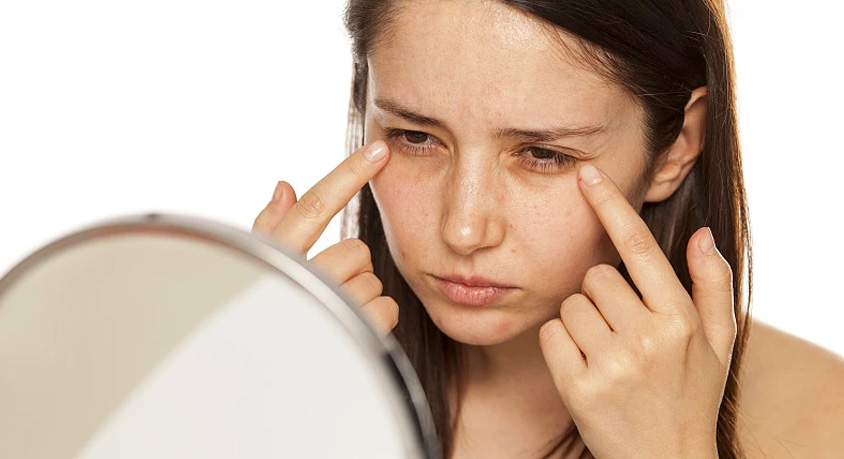
Your skin’s outer layer (stratum corneum) acts as a barrier, made of natural oils and proteins that trap moisture. When this barrier is damaged—from harsh cleansers, hot showers, or cold weather—it can’t retain water, leading to dry, itchy skin.
A 2023 survey by the American Academy of Dermatology found 70% of people with chronic dry skin use harsh, foaming cleansers that strip the skin’s natural oils. This damage creates a cycle: dry skin leads to more irritation, which weakens the barrier further.
Hot Showers and Harsh Cleansers Worsen Dry Skin
Taking hot showers feels good, but water above 38°C strips the skin’s natural oils, breaking down the barrier. A 2025 study in the International Journal of Cosmetic Science found people who take hot showers daily are 40% more likely to have dry, itchy skin than those who use lukewarm water.
Harsh cleansers (with sulfates or strong fragrances) also damage the barrier. Opt for gentle, fragrance-free, non-foaming cleansers—they clean without stripping oils, helping repair the barrier over time.
Moisturizer Works Only If You Use the Right Kind (and Apply It Correctly)
Not all moisturizers are created equal for dry skin. Light, water-based moisturizers (like lotions) may feel good temporarily, but they don’t repair the barrier. Dry skin needs thick, emollient moisturizers (creams or ointments) that contain ceramides, hyaluronic acid, or squalane—ingredients that rebuild the barrier.
A 2024 study in the Journal of Cosmetic Dermatology found people who used ceramide-rich moisturizers daily saw a 35% improvement in dry skin within 2 weeks. Apply moisturizer within 3 minutes of showering (when skin is damp) to lock in water—this is when it’s most effective.
Humidifiers Help Fix Dry Skin From the Air
Indoor air (from heaters or air conditioners) is dry, which pulls moisture from your skin, worsening dryness. A 2023 study by the American Lung Association found using a humidifier to keep indoor humidity between 40-60% reduces skin dryness by 28% and eases itching.
Small humidifiers for your desk or bedroom are easy to use and help maintain moisture in the air, supporting your skin’s barrier. This is especially helpful in winter or dry climates.
FAQs
Q: If I drink more water, will my dry skin go away?
A: No—drinking water hydrates your body, but it won’t fix a damaged skin barrier. Dry skin is about retaining moisture, not just adding it. You need to repair the barrier with gentle cleansers and emollient moisturizers.
Q: Can I use body lotion on my face for dry skin?
A: Body lotions are often too heavy for facial skin and may clog pores. Use a facial moisturizer designed for dry skin—lighter than body cream but still rich in barrier-repairing ingredients like ceramides.
Q: How long does it take to fix dry skin?
A: The skin barrier takes 4-6 weeks to fully repair. Most people notice softer, less flaky skin within 1-2 weeks of using gentle products and moisturizing daily. Consistency is key—skipping moisturizer even once can set back progress.