
Imagine two distinct mornings. The first begins with a fluffy pastry and a sweetened coffee, leading to a surge of energy followed by a profound mental crash by mid-morning. The second starts with a bowl of steel-cut oats topped with nuts and berries, providing a steady, sustained focus that lasts for hours. Both meals contain carbohydrates, yet their impact on your body's energy systems is worlds apart. This disparity lies at the heart of a modern nutritional paradox: we are simultaneously warned against carbs and yet surrounded by refined versions that are hard to resist. The solution isn't a simplistic war on all carbohydrates, but a strategic recalibration—a shift from focusing solely on carbohydrate quantity to mastering carbohydrate quality. This nuanced understanding liberates us from fear and empowers us to use carbs as a tool for stable energy and long-term health.
E.g. :You’re Losing Muscle After 50 – But Walking More Won’t Stop It
- 1、Decoding the Carbohydrate Spectrum: From Whole Foods to Refined Sugars
- 2、Utilizing the Glycemic Index Chart as a Practical Tool for Food Selection
- 3、Strategic Food Selection: Identifying and Incorporating the Best Healthy Carb Sources
- 4、Mastering Your Mealtime: The Plate Ordering Method for Optimal Blood Sugar Control Diet
- 5、Comparing Dietary Philosophies: Analyzing the Ketogenic vs Mediterranean Diet for Metabolic Health
- 6、Building a Sustainable, Personalized Healthy Carbohydrate Strategy
- 7、FAQs
Decoding the Carbohydrate Spectrum: From Whole Foods to Refined Sugars
Not all carbohydrate-rich foods are created equal. We can visualize them on a spectrum based on their structure and impact.
The "Good": Whole, Fiber-Rich Sources. These are minimally processed, plant-based foods like legumes (lentils, black beans), intact whole grains (quinoa, barley, oats), non-starchy vegetables, and most fruits. Their complex structure, packed with fiber, slows digestion, leading to a gradual release of glucose into the bloodstream.
The "Bad": Refined and Processed Carbs. These include white bread, white rice, most breakfast cereals, and pastries. They have been stripped of their fiber and nutrients, leading to rapid digestion, a sharp spike in blood sugar, and a subsequent insulin surge.
The "Ugly": Added Sugars and Sweetened Beverages. This includes sodas, candy, and the sugar added to countless processed foods. They provide "empty calories" and cause the most dramatic and damaging spikes in blood glucose and insulin, offering no nutritional benefit.
Utilizing the Glycemic Index Chart as a Practical Tool for Food Selection
The glycemic index chart is a useful, though not perfect, tool for comparing the blood sugar impact of different carbs. It ranks foods from 0 to 100 based on how quickly they raise blood glucose compared to pure glucose (GI=100).
Understanding the Nuance
A food with a low GI (55 or less) causes a slower, smaller rise. A high GI (70+) causes a rapid spike. For example, lentils have a GI of about 32, while a white bagel scores around 70.
The Added Layer
Glycemic Load (GL). GL considers both the GI and the typical serving size, offering a more realistic picture. You can have a food with a high GI (like watermelon, GI=72) but a low GL per serving due to its high water content. Focusing on low-GL foods is a core strategy for a blood sugar control diet.
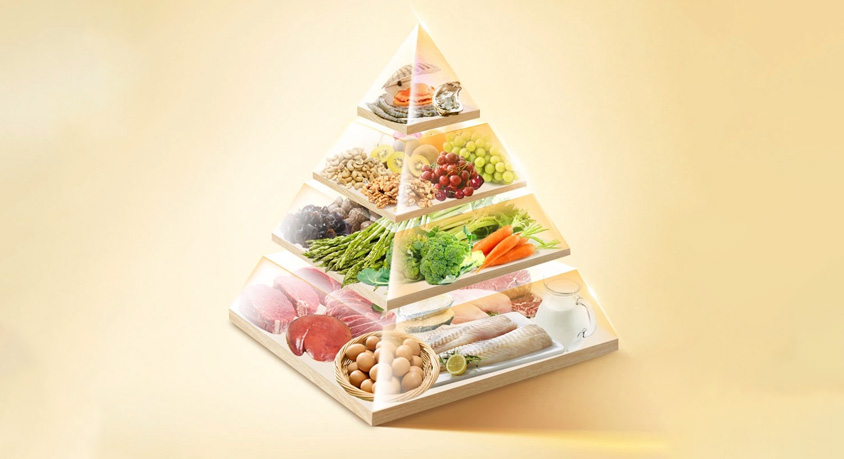
Strategic Food Selection: Identifying and Incorporating the Best Healthy Carb Sources
Building your diet around high-quality, low-GL carbs is the foundation of metabolic stability.
The Power of Legumes and Pulses
Beans, lentils, and chickpeas are nutritional powerhouses. They are rich in fiber and protein, which dramatically blunts their glycemic response. Studies consistently link legume consumption to improved blood sugar control and reduced risk of type 2 diabetes.
Choosing the Right Whole Grains
Opt for grains that are truly "intact." Steel-cut oats, quinoa, farro, and brown rice are superior to products made from refined whole-wheat flour. Using a kitchen food scale can help you become familiar with appropriate, satisfying portions.
The Special Case of Berries
Berries (blueberries, strawberries, raspberries) are relatively low in sugar and exceptionally high in fiber and antioxidants. They have a minimal impact on blood glucose compared to other fruits and are associated with cognitive and cardiovascular benefits.
Mastering Your Mealtime: The Plate Ordering Method for Optimal Blood Sugar Control Diet
A simple, evidence-based hack can significantly modify your body's response to a meal: change the order in which you eat.
The Protocol: Start your meal with fiber-rich vegetables and a source of protein (e.g., a salad with chicken or tofu). Then, move on to your healthy fats and complex carbohydrates. Research published in Diabetes Care showed that this "vegetables and protein first" approach resulted in significantly lower post-meal blood sugar and insulin spikes compared to eating carbs first.
Practical Application: This turns your portion control plate into a chronological guide. Fill half with non-starchy veggies, a quarter with protein, and save the final quarter of complex carbs for the last part of your meal. This leverages your body's natural digestive hormones to slow gastric emptying and glucose absorption.
Comparing Dietary Philosophies: Analyzing the Ketogenic vs Mediterranean Diet for Metabolic Health
Two popular diets represent opposite ends of the carbohydrate spectrum. A clear-eyed comparison helps find a personal middle path.
The Ketogenic Diet: This very-low-carb, high-fat diet aims to induce ketosis. It can be powerful for rapid blood sugar control and insulin sensitivity improvement in the short term, as it removes the primary stimulus for insulin secretion. However, its long-term sustainability and effects on gut microbiome diversity and cardiovascular markers are debated.
The Mediterranean Diet: This pattern is moderate in carbohydrates from primarily high-quality sources (fruits, vegetables, legumes, whole grains), rich in healthy fats (olive oil, nuts), and includes lean protein. It consistently demonstrates long-term benefits for heart health, blood sugar control, and longevity, and is celebrated for its sustainability and cultural richness.
Finding Your Middle Way: For most, the sustainable answer is not an extreme, but a moderated approach that borrows principles from both: emphasizing very high carbohydrate quality, pairing carbs with fiber, protein, and fat, and being mindful of timing and quantity without complete elimination.
Building a Sustainable, Personalized Healthy Carbohydrate Strategy
The goal is to develop a flexible, non-dogmatic relationship with carbohydrates. Use tools like the glycemic index chart for education, not rigid rules. Practice the plate-ordering method. Experiment to see which healthy carb sources make you feel energized and satisfied. Remember, the most effective diet is the one you can maintain consistently, that supports both your metabolic health and your enjoyment of food. By becoming a connoisseur of carbohydrate quality, you transform carbs from a source of confusion into a pillar of purposeful nourishment.
FAQs
Q: What is a good target for daily carbohydrate intake for someone looking to manage blood sugar?
A: There is no universal number, as optimal intake depends on activity level, metabolic health, and personal goals. Instead of fixating on a rigid gram count, focus on the framework above. Ensure the majority of your carbs come from high-fiber, whole-food sources (vegetables, legumes, berries, whole grains). A helpful visual is to limit refined carbs and added sugars to a very small portion of your overall intake—perhaps 10-20% of your total calories at most—while letting your plate be filled primarily with non-starchy vegetables, quality protein, and healthy fats. This naturally leads to a moderate, high-quality carbohydrate intake that supports blood sugar control.
Q: Are potatoes and bananas bad because they have a high glycemic index?
A: Not necessarily. Both are whole, nutrient-dense foods. Their glycemic impact can be managed through preparation and combination. A boiled, cooled potato (which develops resistant starch) has a lower GI than a baked russet potato. A green-tipped banana has more resistant starch than a ripe, spotted one. More importantly, eating them as part of a balanced meal—topped with Greek yogurt (protein/fat) and a side of vegetables (fiber)—dramatically lowers the overall glycemic load of the meal. Context and combination are more important than any single food's GI score in isolation.