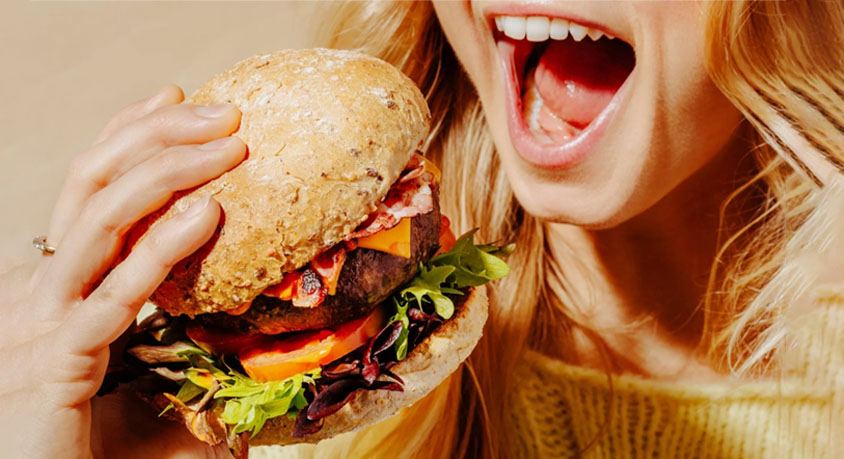
It is 2:30 PM. You ate a solid lunch an hour ago, yet your eyelids are heavy, your focus is shot, and you are reaching for a third cup of coffee. You blame the meal—maybe too many carbs, not enough protein. But what if the problem was not what you ate, but how quickly you ate it? The speed at which you chew and swallow has a profound, often overlooked impact on your metabolic response to food. When you rush through a meal, you are not just missing out on taste; you are setting off a glucose spike that inevitably crashes into an afternoon slump. Slow, deliberate chewing, on the other hand, acts as a natural brake on blood sugar, smoothing out the curve and delivering steady energy for hours. This is not about mindfulness for its own sake. It is about the mechanical and hormonal cascade that begins in your mouth and determines how your brain and body feel for the rest of the day.
E.g. :Your Skin Reacts to Everything – But “Gentle Only” Isn’t the Answer
- 1、The Mouth as the First Act of Digestion: Why Chewing Changes Everything
- 2、Post-Meal Blood Sugar: How Eating Speed Determines the Shape of Your Curve
- 3、From Chewing to Cognition: Why Afternoon Energy Crashes Are Preventable
- 4、Practical Techniques: How to Train Yourself to Eat More Slowly
- 5、The Long-Term Benefits Beyond Blood Sugar
- 6、A Sample Transition Week
- 7、The Takeaway
- 8、FAQs
The Mouth as the First Act of Digestion: Why Chewing Changes Everything
Digestion does not begin in the stomach. It begins the moment food enters your mouth. Chewing mechanically breaks food into smaller particles, increasing surface area for enzymes. But more importantly, the act of chewing sends signals to the brain and pancreas. A 2015 study in The American Journal of Clinical Nutrition demonstrated that participants who chewed each bite 30 times had significantly lower post-meal blood glucose and insulin levels compared to those who chewed only 10 times, even when consuming identical meals. The mechanism involves the cephalic phase of digestion: chewing stimulates the vagus nerve, which primes the pancreas to release insulin more efficiently and in better synchrony with nutrient absorption. When you bolt your food, this priming is inadequate, leading to a delayed insulin surge that overcorrects and drives glucose down too fast—the classic crash.
Post-Meal Blood Sugar: How Eating Speed Determines the Shape of Your Curve
The post-meal blood sugar curve is not a single number; it is a shape. A slow, gentle rise and fall is ideal. A sharp spike followed by a steep drop is problematic. Chewing speed directly influences this shape.
The Particle Size Effect
When you chew thoroughly, food particles are smaller and mix more completely with salivary amylase, the enzyme that begins starch digestion. This allows the stomach and small intestine to process nutrients more gradually, leading to a slower release of glucose into the bloodstream. A 2017 study in Physiology & Behavior found that reducing particle size through extensive chewing lowered the glycemic index of white rice by nearly 30%. In contrast, swallowing large chunks forces the gut to work harder, often resulting in a rapid glucose surge.
The Hormonal Response
Slow eating also increases levels of glucagon-like peptide-1 (GLP-1) and peptide YY (PYY), satiety hormones that slow gastric emptying and improve insulin sensitivity. A 2019 randomized trial reported that participants who ate a meal over 30 minutes had 25% higher GLP-1 levels than those who ate the same meal in 10 minutes, leading to better glucose control and prolonged fullness. This hormonal advantage translates directly to afternoon energy stability.
From Chewing to Cognition: Why Afternoon Energy Crashes Are Preventable
The afternoon energy crash is not inevitable. It is the predictable consequence of a post-meal glucose dip. When blood sugar falls rapidly, the brain experiences a relative fuel shortage. It responds by releasing stress hormones (adrenaline and cortisol) to mobilize glucose from liver stores. Those hormones produce the jittery, anxious, and foggy feeling of a crash. By flattening the glucose curve through slow chewing, you prevent the dip and the subsequent stress response. Your brain receives a steady supply of fuel, and your afternoon remains clear and focused.
Real-World Evidence
A 2020 workplace study divided office workers into two groups. One was instructed to eat lunch in 10 minutes or less; the other was asked to chew each bite 25-30 times and take at least 20 minutes. The slow-eating group reported significantly lower afternoon fatigue, higher concentration, and fewer cravings for sugary snacks. Cognitive testing revealed faster reaction times and better working memory. The effect was independent of meal composition, though it was magnified when meals were already balanced.

Practical Techniques: How to Train Yourself to Eat More Slowly
If you are a fast eater, slowing down will feel unnatural at first. Use these strategies to build the habit.
Put Down Your Utensil
Between each bite, place your fork or spoon down on the plate. Do not pick it up again until you have finished chewing and swallowing.
Chew to a Count
Aim for 20-30 chews per mouthful. Count in your head for the first week. A mindful eating timer set to 30 seconds per bite can externalize the pace.
Use Smaller Bites
Cut food into smaller pieces. Use a portion control plate to visually manage serving sizes, which also encourages slower eating.
Create a Distraction-Free Environment
Do not eat at your desk, while scrolling, or while watching TV. When your attention is split, you chew less and swallow faster. Sit at a table, focus on the food, and engage your senses.
Drink Water Between Bites
Taking small sips of water naturally spaces out the meal and adds to satiety.
The Long-Term Benefits Beyond Blood Sugar
Slow chewing is not just an antidote to the 2:30 PM crash. It pays dividends over months and years.
Weight Management
Several studies have linked faster eating speed with higher body mass index. A 2018 meta-analysis in The Journal of Epidemiology found that fast eaters were 1.5 to 2 times more likely to be obese than slow eaters. The mechanism: the brain takes about 20 minutes to register fullness. When you eat quickly, you consume more calories before satiety signals arrive. Slowing down naturally reduces intake without deprivation.
Digestive Comfort
Rapid eating often leads to bloating, gas, and indigestion. Larger food particles reach the colon undigested, where gut bacteria ferment them, producing gas. Thorough chewing reduces this burden.
Mindful Appreciation
Slowing down restores pleasure to eating. You taste more, savor more, and finish meals feeling satisfied rather than stuffed. A glucose tracking journal can help you correlate your chewing habits with your energy and mood, providing motivation.
A Sample Transition Week
Do not try to change everything at once. Use this gradual protocol.
- Days 1-2: Count chews for the first five bites of lunch only. Notice the difference in taste and texture.
- Days 3-4: Extend counting to the entire meal. Use a timer to ensure the meal lasts at least 15 minutes.
- Days 5-7: Add dinner. Continue using utensil put-downs and water sips.
- Week 2: Remove the timer. The pace should feel more natural. Keep a glucose tracking journal to note your afternoon energy levels.
The Takeaway
The rhythm of your chewing sets the tempo for your entire metabolic symphony. Rush, and you invite a glucose spike, a hormonal crash, and a foggy afternoon. Slow down, and you give your body the time it needs to process fuel efficiently, keeping energy steady and mood even. This is not about eating less or eating different foods. It is about eating the same foods in a way that respects your biology. The next time you sit down to a meal, remember: each chew is an investment in your next few hours. Make it count.
FAQs
Q: Does slow chewing help even if I eat a high-sugar meal like a doughnut?
A: Yes, but the effect is limited. Slow chewing reduces the glycemic impact of any carbohydrate-rich food, but it cannot fully offset the metabolic burden of refined sugars and low fiber. A doughnut chewed 40 times is still a doughnut. For optimal afternoon energy, combine slow chewing with a balanced meal containing protein, fiber, and healthy fats. The two strategies are synergistic.
Q: I have jaw pain or TMJ. Is extensive chewing safe for me?
A: No. If you have temporomandibular joint disorder, dental issues, or jaw pain, excessive chewing may worsen symptoms. In that case, focus on eating smaller, softer bites and taking longer pauses between bites rather than forcing high chew counts. Use a portion control plate to slow the meal pace without increasing jaw strain. Consult a dentist or physical therapist for personalized advice.
Q: How long does it take to see a difference in my afternoon energy if I start chewing slowly?
A: Many people notice a reduction in post-meal drowsiness within 2-3 days. The hormonal changes (GLP-1, insulin timing) begin after the first slow meal. For consistent, lasting benefits, maintain the habit for at least 2 weeks. Keep a simple log: rate your energy at 2 PM on a 1-10 scale before and after changing your chewing speed. You are likely to see a clear improvement. A mindful eating timer can help reinforce the habit until it becomes automatic.