You brush your dark shirt off before leaving the house. Again. Those small white flakes appear an hour after every wash. You’ve tried moisturizing shampoos, natural oils, even cutting back on washing to “preserve natural moisture.” Nothing works. Sometimes the itching gets worse.
- 1、The Fungus Among Us: Malassezia
- 2、The Washing Paradox: More Washing, Less Flakes
- 3、When Dandruff Is Actually Something Else
- 4、Three Simple Daily Habits That Keep Flakes Away
- 5、The Honest Truth: Manageable, Not Curable
- 6、FAQs
Most people believe dandruff means a dry scalp. The logic feels obvious: flakes look like dry skin, so add moisture. But this common belief is not only wrong — it often makes dandruff worse. The real driver of dandruff is not dryness at all. It is an oily scalp condition fueled by a yeast that lives on every single human being.
The Fungus Among Us: Malassezia
On your scalp lives a microscopic fungus called Malassezia. It is completely normal. Up to 90% of adults carry it without issues. However, when conditions change, Malassezia grows out of control. This fungus feeds on sebum — the natural oil produced by your sebaceous glands.
When Malassezia breaks down sebum, it produces byproducts like oleic acid. For people with a sensitive immune response, these byproducts trigger inflammation. The scalp responds by speeding up skin cell turnover. Normally, cells shed gradually, invisible to the eye. With dandruff, cells clump together and shed in large, visible flakes. The medical name is seborrheic dermatitis.
A 2019 review in the Journal of Clinical and Aesthetic Dermatology confirmed that higher sebum production directly correlates with more severe dandruff. That is why dandruff often starts after puberty and affects oily areas like the scalp, eyebrows, and sides of the nose.
Why “gentle” and “moisturizing” shampoos fail
Moisturizing shampoos leave conditioning agents and oils on the scalp. For dry scalp (a much rarer condition), this helps. But for dandruff, adding oil is like adding fertilizer. You are feeding the very fungus causing the problem. This explains why many people feel worse after using coconut or olive oil treatments.
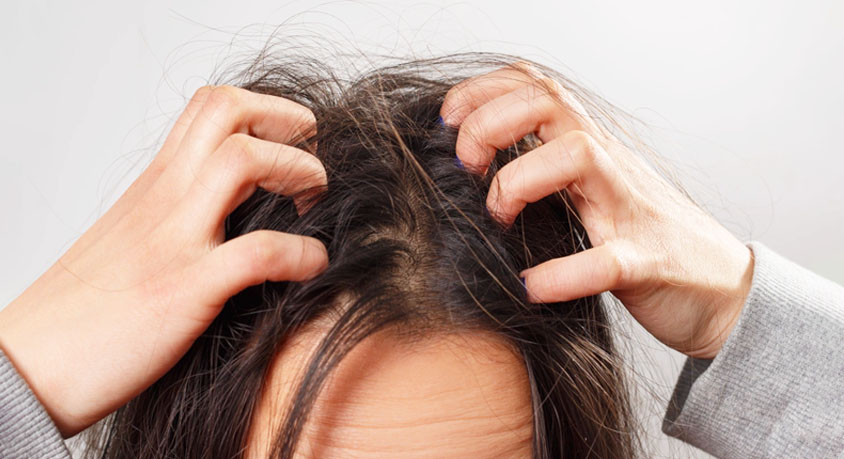
The Washing Paradox: More Washing, Less Flakes
Another common advice is to wash your hair less often to avoid “stripping” the scalp. But infrequent washing allows sebum to accumulate, creating a feast for Malassezia. A 2021 study in Skin Appendage Disorders compared people who washed daily versus twice a week. Daily washers had significantly lower Malassezia counts and fewer flakes.
The evidence-based solution is an antifungal shampoo containing ketoconazole, selenium sulfide, or zinc pyrithione. These ingredients directly suppress Malassezia growth. Leave the shampoo on your scalp for three to five minutes before rinsing. A 2020 trial found that a five-minute application was twice as effective as a one-minute rinse. Use it every other day for two weeks, then twice a week for maintenance.
When Dandruff Is Actually Something Else
Not every flaky scalp is seborrheic dermatitis. Three conditions mimic dandruff:
- Psoriasis: Thick, silvery-white scales with well-defined red patches.
- Contact dermatitis: Redness and burning after using a new hair product.
- True dry scalp: Fine, powdery flakes without oiliness. The scalp feels tight but not greasy.
If antifungal shampoo does not work after four weeks, or if you see thick plaques or bleeding, see a dermatologist.
Three Simple Daily Habits That Keep Flakes Away
You do not need a complicated routine. Consistency beats intensity.
- Wash frequently enough — for most people with dandruff, that means at least every other day. Condition only the ends of your hair, not the scalp.
- Rotate medicated shampoos — using the same antifungal for months can reduce effectiveness. Alternate between ketoconazole and selenium sulfide every few weeks.
- Exfoliate gently — use a soft silicone scalp brush while shampooing once a week. Do not scratch with fingernails; that inflames the scalp.
If you use dry shampoo, know that it does not remove oil — it absorbs it temporarily. Over time, trapped oil and product buildup worsen dandruff. Minimize dry shampoo use during active flaking.
The Honest Truth: Manageable, Not Curable
Seborrheic dermatitis is chronic. You can control it completely — zero flakes, no itching — but stopping treatment often leads to relapse within weeks. This is not failure. The goal is a low-effort routine that keeps you flake-free 95% of the time. For most people, that means medicated shampoo twice a week and regular washing on other days.
And please, stop blaming your hygiene. Dandruff is not a sign of being dirty. It is a biological response to a yeast that thrives on oil. You did not cause it. You can, however, manage it effectively.
FAQs
Q: Can stress make dandruff worse?
A: Yes. Stress increases cortisol, which stimulates sebum production and inflammation. Many people notice flare-ups during exams or deadlines. Managing stress genuinely helps control flaking.
Q: Is apple cider vinegar a good home remedy?
A: It has mild antifungal properties but is highly acidic. If you try it, dilute one part vinegar with four parts water, apply for two minutes, then rinse. Use no more than twice a week. Medicated shampoos are safer and more predictable.