The car keys vanish again. A familiar name sits on the tongue but won’t come out. The grocery list was left on the kitchen counter. Most people over 60 know this feeling. And most assume it is the beginning of dementia.
E.g. :Waking Up Tired After 8 Hours of Sleep Happens Because of Disrupted Cycles, Not Just Duration
- 1、Why Memory Slips Do Not Mean Dementia
- 2、Mild Cognitive Impairment: The Smell-Training Shield
- 3、Brain Plasticity Seniors: The Hand-Brain Highway
- 4、Memory Loss Prevention: The Visual Search Practice
- 5、Cognitive Reserve Building: The Physical Novelty Rule
- 6、The Drug-Free Sleep Protocol for Brain Clearance
- 7、FAQs
A 2017 study in Neurology followed 1,200 older adults who worried about their memory. After four years, only 8% had developed Alzheimer’s or other dementia. The rest had normal age-related slowing. The brain had not failed. It had simply become slower at retrieving stored information. Retrieval speed is trainable. The common response is brain games on a phone. But tapping screens does not build the kind of cognitive reserve that protects against real decline. The physical control approach uses smell, hand movement, and visual search to strengthen neural networks far beyond working memory.
Why Memory Slips Do Not Mean Dementia
The brain prunes unused connections and strengthens active ones. A forgotten name does not mean the name is erased. It means the pathway to that name has grown thin from disuse. Repeated retrieval rebuilds the path.
A 2019 study in Psychological Science tested older adults on word recall. Those who were given five seconds to retrieve a word performed as well as younger adults when given ten seconds. The information was there. The speed was slower.
The tip-of-the-tongue test
If you can recall a forgotten word within 30 seconds of prompting, the memory trace is intact. Only when recall fails entirely despite multiple cues does concern begin.
Mild Cognitive Impairment: The Smell-Training Shield
The olfactory nerve is the first cranial pathway affected by Alzheimer’s pathology. Smell loss appears 5–10 years before memory symptoms. Training smell rebuilds connections to the entorhinal cortex.

The four-scent daily drill
Rose, lemon, clove, eucalyptus. Inhale each for 10 seconds, twice daily. Visualize the item while sniffing. A 2021 trial in Alzheimer’s & Dementia found that older adults with mild cognitive impairment who did this for 12 weeks improved cognitive screening scores by 15% and showed increased thickness in smell-related brain regions.
The kitchen spice test
Blindfold a partner and ask them to identify spices from jars (cinnamon, oregano, cumin). Difficulty identifying common scents warrants a smell screen.
Brain Plasticity Seniors: The Hand-Brain Highway
Fine motor skills activate the prefrontal cortex and cerebellum. Learning a new hand movement creates new synapses.
The non-dominant hand drill
Brush teeth, eat a snack, or write your name with the non-dominant hand for 2 minutes daily. A 2018 study in Frontiers in Aging Neuroscience found that older adults who practiced this simple task for eight weeks improved executive function scores by 22%.
The bead maze
A small wooden bead maze (toddler toy) forces visual tracking and finger coordination. Move beads from one end to the other daily. The novelty of the movement stimulates neural growth.
Memory Loss Prevention: The Visual Search Practice
Reading keeps the brain active. But reading is passive recognition. Visual search—finding a target among distractors—activates different circuits.
The word search puzzle
One paper word search puzzle daily. Time yourself. Try to beat yesterday’s time. A 2020 trial in Neurorehabilitation found that older adults who did visual search tasks for 10 minutes daily had 18% faster processing speed after six weeks.
The supermarket game
Before shopping, write a list of five specific items (e.g., “yellow box of tea”). Find them without scanning every shelf. This trains selective attention, which declines before memory.
Cognitive Reserve Building: The Physical Novelty Rule
The brain builds reserve by encoding new experiences, not repeating old ones.
The weekly new route
Take a different street home once weekly. A 2017 study used GPS tracking in older adults. Those who varied their walking routes had larger hippocampal volume than those who took the same path daily.
The museum visit
Attend a new exhibit or cultural site monthly. Describe three things you learned to a friend afterward. Encoding and recounting new information builds memory muscle.
The Drug-Free Sleep Protocol for Brain Clearance
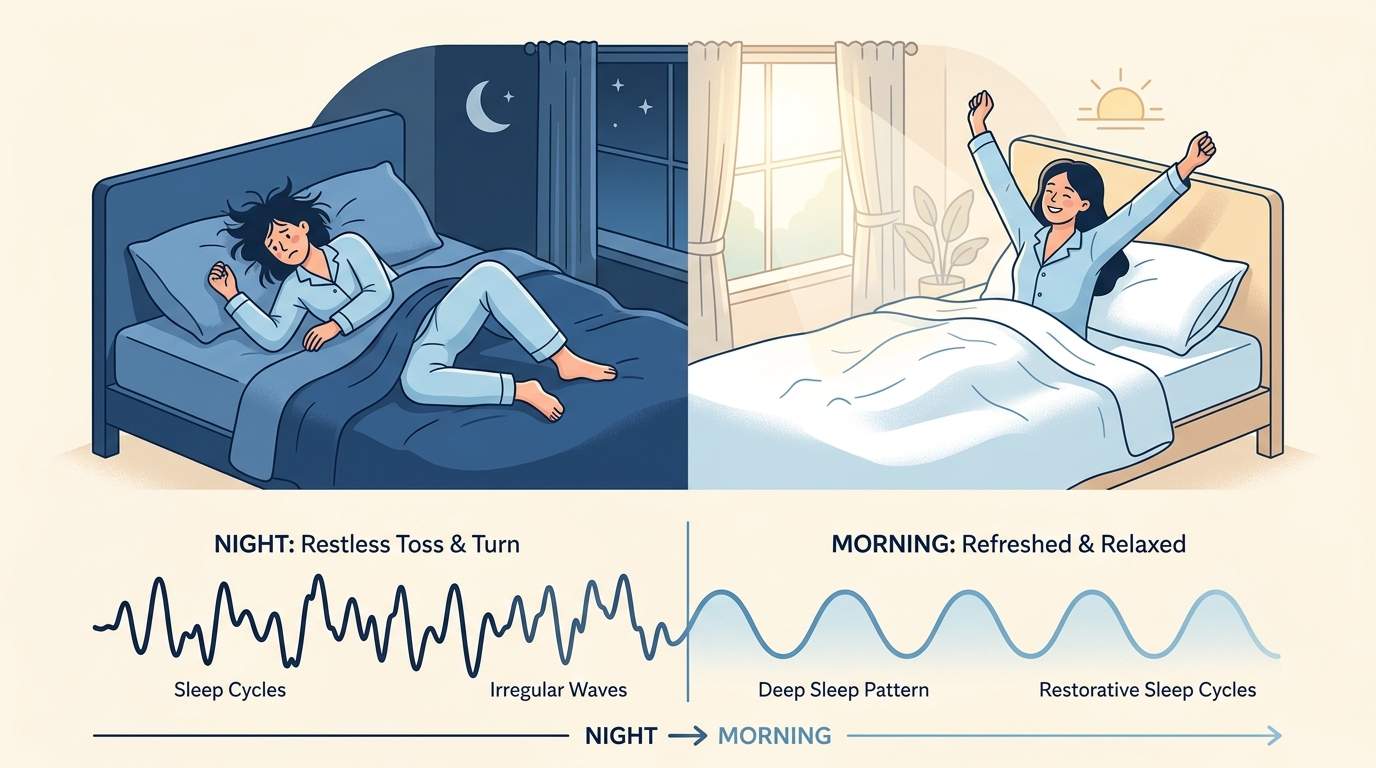
Deep sleep clears beta-amyloid from the brain. Fragmented sleep leaves toxic proteins behind.
The 10 p.m. light off
Dim all screens and overhead lights 90 minutes before bedtime. Use a red reading light if needed. A 2019 study in Current Biology found that this single change increased deep sleep by 45 minutes in older adults.
FAQs
Q: Are brain-training apps better than physical exercises for preventing memory loss?
A: No. A 2020 meta-analysis found that computerized brain games improve performance on the game itself but rarely transfer to daily memory. Physical exercises (smell training, hand drills, visual search) engage broader neural networks and show better transfer.
Q: Can I reverse mild cognitive impairment?
A: Some cases. A 2021 trial of multidomain intervention (smell training, hand exercise, diet, sleep) reversed MCI to normal cognition in 28% of participants after 18 months. No single intervention works for everyone. Combine multiple approaches.
Q: How often should I worry about forgetting an appointment?
A: Forgetting appointments occasionally is normal. Forgetting that you had an appointment at all (no recognition when reminded) is more concerning. Forgetting how to return home from a familiar place requires medical evaluation.