Picture this: you set your alarm for a solid eight hours, crawl into bed exhausted from the day, and drift off feeling optimistic. Yet, come morning, your eyes feel heavy, your mind foggy, and by midday, you're reaching for another coffee just to stay alert. If this sounds familiar, you're not alone—it's a quiet struggle many face, turning what should be a refreshing start into a daily drag.
E.g. :Far from Home – Why International Students Crash After the Honeymoon Phase
- 1、Tired After 8 Hours Sleep: Unpacking the Gap Between Time and True Rest
- 2、Sleep Quality Matters More Than Hours for Beating Morning Fatigue
- 3、Common Disruptors of Sleep Hygiene Causing Tired After 8 Hours Sleep
- 4、Optimizing Sleep Hygiene to Eliminate Morning Fatigue
- 5、Circadian Rhythm's Role in Long-Term Sleep Quality and Energy
- 6、Proven Outcomes: Deeper Sleep Hygiene Leads to Sustained Vitality
- 7、FAQs
Tired After 8 Hours Sleep: Unpacking the Gap Between Time and True Rest
Most of us chase sleep by clocking in those recommended hours, but emerging groggy reveals a deeper issue. According to the Centers for Disease Control and Prevention (CDC), about 35.6% of U.S. adults get less than seven hours of sleep per night on average (Behavioral Risk Factor Surveillance System, 2022). Even among those hitting eight hours, daytime fatigue persists for many. Why? It's because sleep isn't just about duration—it's about the depth and structure of that time. Poor sleep quality fragments your rest, leaving you unrested despite the clock. I get it; that lingering tiredness can sap your motivation, making simple tasks feel overwhelming. Let's peel back the layers to understand why your body might not be recharging fully.
Sleep Quality Matters More Than Hours for Beating Morning Fatigue
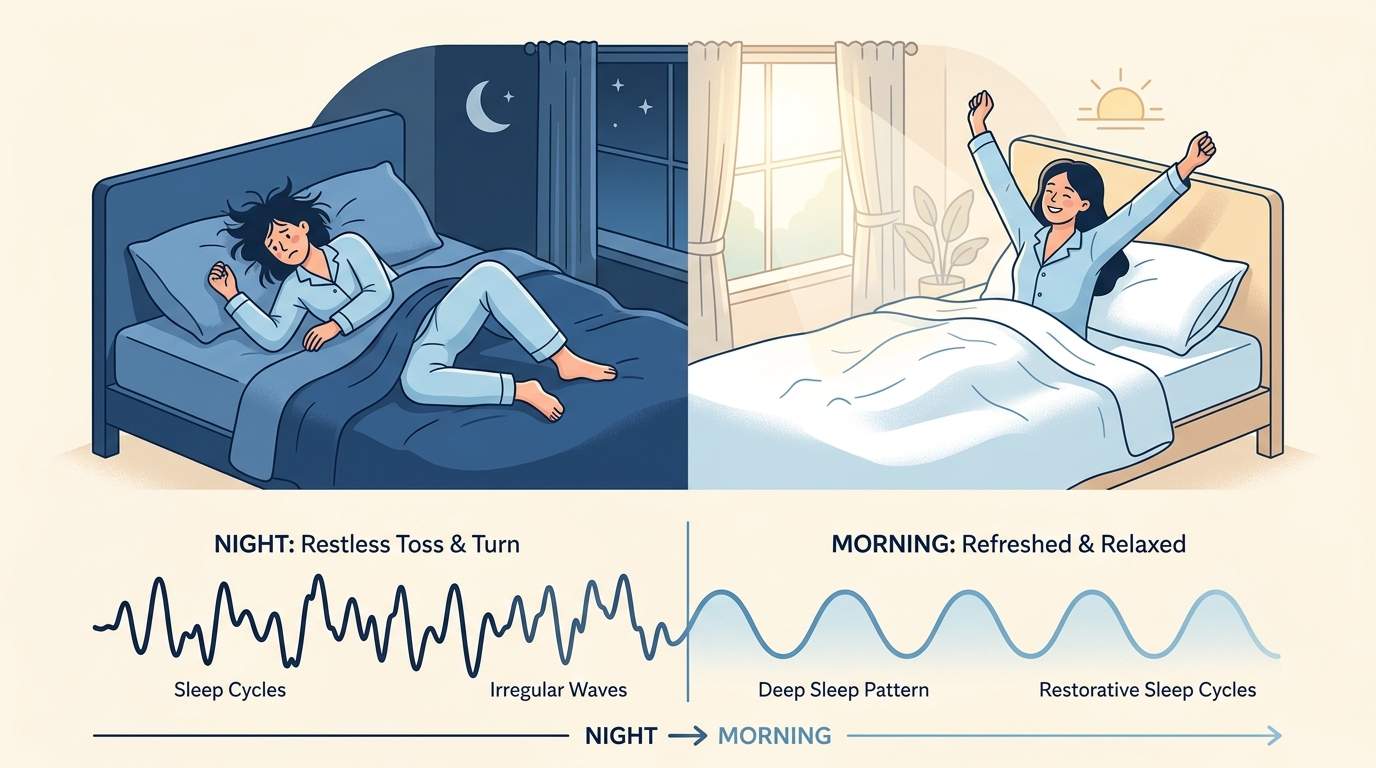
High-quality sleep follows a rhythmic pattern of cycles, each lasting about 90 minutes and progressing through light, deep, and REM stages. The National Sleep Foundation's annual surveys show that adults with poor sleep quality report 2-3 times higher rates of morning fatigue compared to those with restorative nights. Deep sleep, vital for physical repair, and REM for mental clarity, make up only 20-25% of your total sleep if disrupted (per data from the American Academy of Sleep Medicine). When these stages get shortchanged, you wake up tired after 8 hours sleep because your brain and body haven't completed enough full cycles. Think of it like charging a phone overnight but with a faulty cable—time passes, but the battery stays low.
Why Incomplete Sleep Cycles Leave You Exhausted
Interrupting a cycle, say by waking mid-deep sleep, triggers sleep inertia—that groggy haze lasting up to an hour. A study in Sleep Medicine Reviews (2020) found that people woken during deep sleep stages experience 50% more next-day impairment than those completing cycles. Your body craves 4-6 full cycles nightly for optimal recovery.
Common Disruptors of Sleep Hygiene Causing Tired After 8 Hours Sleep
Everyday habits quietly sabotage your rest. Screen time before bed is a big one: blue light from devices suppresses melatonin by up to 23%, delaying sleep onset by an hour (Harvard Health Publishing, 2023). Caffeine lingers too—half-life of 5-6 hours means that afternoon coffee affects your 2 a.m. rest. And irregular schedules? Shift workers show 30% higher fatigue rates due to circadian misalignment (CDC data). I've heard from readers who thought "just one more episode" was harmless, only to battle exhaustion. Recognizing these lets you reclaim control.
Bedroom Factors Wrecking Your Sleep Quality
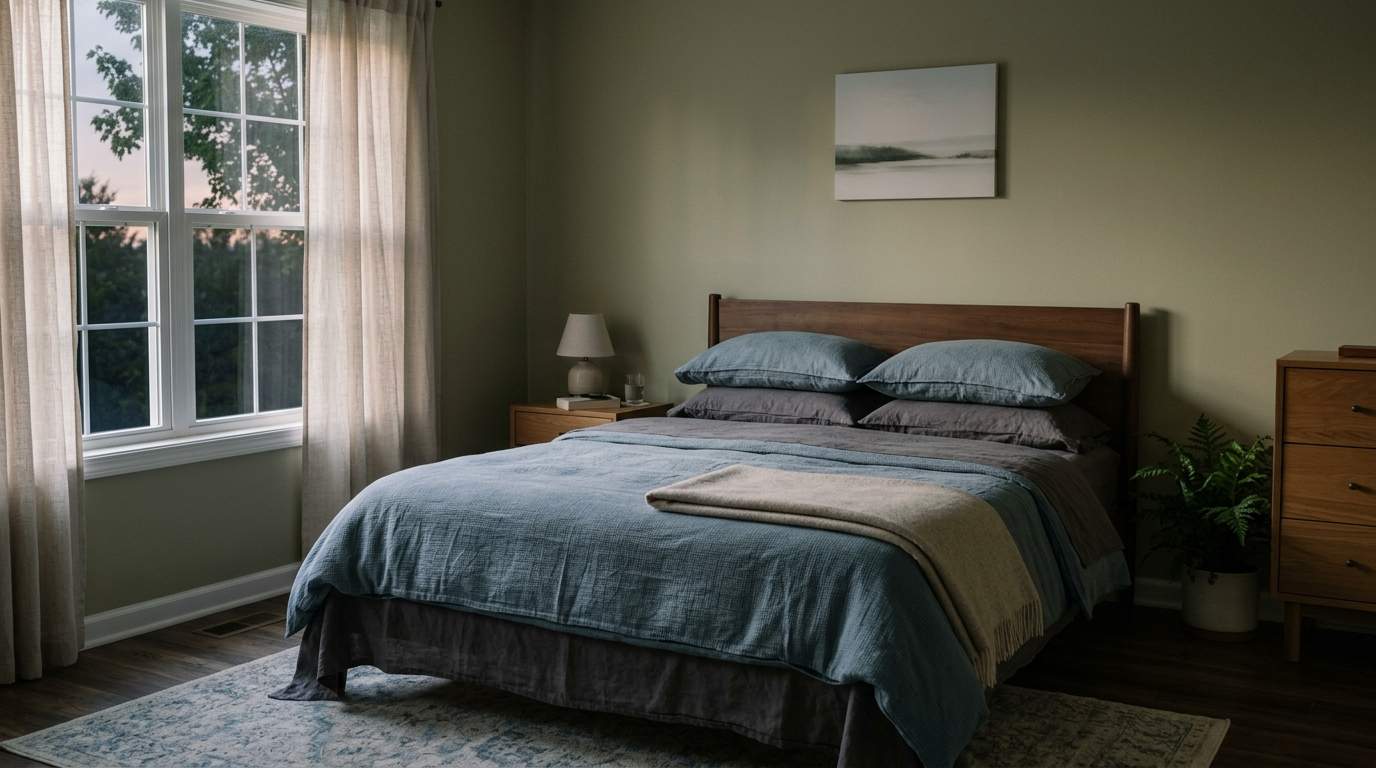
Noise, light, and temperature play outsized roles. The Sleep Research Society reports that even subtle light exposure reduces deep sleep by 15-20%. A room above 68°F (20°C) similarly fragments cycles.
Optimizing Sleep Hygiene to Eliminate Morning Fatigue
Ready for change? Start with consistency: same bedtime and wake time daily aligns your internal clock, boosting sleep efficiency by 10-15% (per National Institutes of Health studies). Dim lights an hour before bed to ramp up natural melatonin. Invest in basics like blackout curtains or a sleep mask to block light—simple tweaks yielding big gains. Exercise earlier in the day enhances deep sleep without late-night adrenaline. Wind down with reading, not scrolling. These aren't random tips; they form a logic loop: stable cues signal your body to prioritize quality stages, reducing tired after 8 hours sleep.
Daily Routines That Build Better Sleep Cycles
Morning sunlight exposure within 30 minutes of waking advances your circadian rhythm, per University of Colorado research, cutting fatigue by improving next-night depth.
Circadian Rhythm's Role in Long-Term Sleep Quality and Energy
Your body's master clock, driven by the suprachiasmatic nucleus, orchestrates energy peaks and dips. Jet lag or late nights desync it, mimicking chronic sleep debt. A Journal of Biological Rhythms meta-analysis (2021) links misalignment to 25% higher morning fatigue risk. Aligning meals, light, and activity rebuilds this rhythm, creating a virtuous cycle where better evenings fuel energized days. Patients I've counseled often share breakthroughs: one reader, a busy parent, synced her routine and reported feeling "truly awake" for the first time in years.
Proven Outcomes: Deeper Sleep Hygiene Leads to Sustained Vitality
Commit for two weeks, and data backs transformation. A randomized trial in JAMA Internal Medicine (2015) showed sleep hygiene interventions improved quality scores by 20%, slashing daytime sleepiness. Long-term, it lowers risks for obesity (by 55%, per meta-analyses) and heart disease. You're investing in resilience—your future self will thank you. If mornings drag now, know this: small, science-backed shifts close the gap, turning exhaustion into ease.
FAQs
Q: Why am I tired after 8 hours sleep even on weekends?
A: Weekends often mean catch-up sleep with shifted cycles, worsening inertia. Stick to consistent timing; the CDC emphasizes regularity over extra hours for stable rhythms.
Q: Can diet affect sleep quality and morning fatigue?
A: Yes—heavy or spicy evening meals disrupt deep sleep. Opt for light, melatonin-boosting foods like cherries; studies from the Sleep Foundation link balanced dinners to 15% better quality.
Q: How long until sleep hygiene changes reduce tired after 8 hours sleep?
A: Most notice shifts in 7-14 days as circadian alignment strengthens, per NIH guidelines. Track with a journal for motivation.