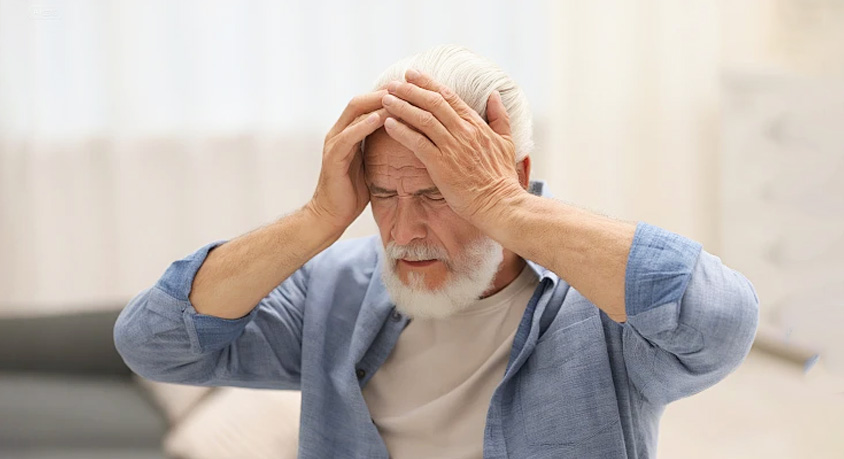
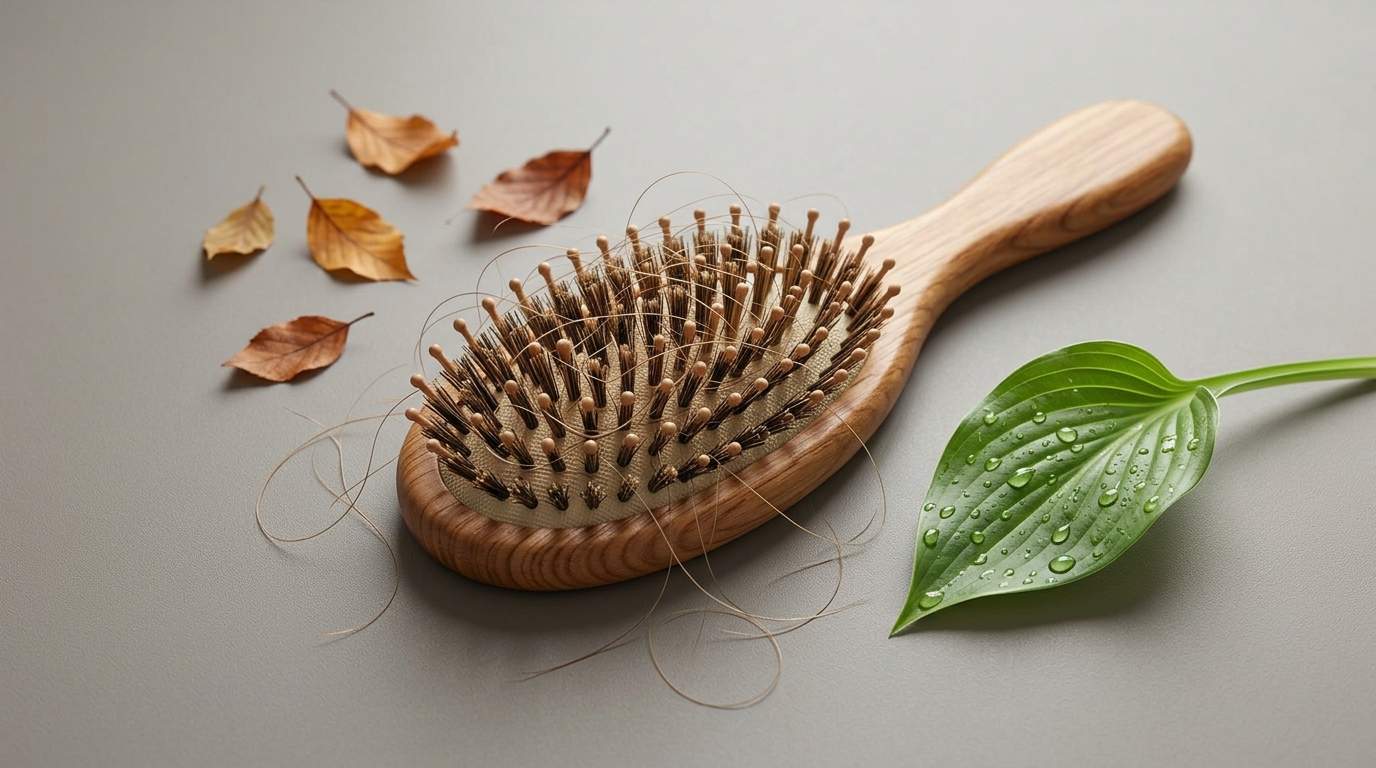
Picture this: It's a crisp autumn morning, and as you run your brush through your hair, a small pile of strands stares back at you from the sink. At first, you shrug it off—maybe it's that late-night work session or the extra coffee. But day after day, the clumps grow, stirring a quiet worry that creeps in during quiet moments. You're not alone in this; millions notice their hair thinning more noticeably as leaves turn and temperatures drop. What if this isn't random bad luck, but your body's predictable response to the changing world around you?
E.g. :Why Your Skin Itches More After a Hot Shower – Aging Skin Needs Different Care
- 1、Decoding Seasonal Hair Loss and Everyday Triggers
- 2、Why Scalp Health Matters More Than You Think for Hair Thinning
- 3、The Nutrition Logic: Fueling Follicles Beyond Protein Hype
- 4、Lifestyle Tweaks to Prevent Hair Loss in Chilly Months
- 5、Long-Term Strategies: Resetting Your Hair Cycle Year-Round
- 6、FAQs
Decoding Seasonal Hair Loss and Everyday Triggers
Hair doesn't just fall out without reason—it's part of a cycle that's been humming along since birth. On average, we shed 50 to 100 hairs daily, according to the American Academy of Dermatology (AAD). But come fall, that number can spike by 20-30% for many, as revealed in a 2016 study published in the International Journal of Dermatology, which tracked shedding patterns across seasons in healthy adults. This isn't "hair loss" in the permanent sense like male pattern baldness; it's seasonal hair loss, or telogen effluvium—a temporary push where more follicles enter the resting (telogen) phase simultaneously.
Why fall? Shorter days and cooling temps signal your body to conserve energy, mimicking survival instincts from our ancestors' harsher winters. I remember a reader, Sarah, a busy teacher in her 30s, who panicked over her ponytail shedding last October. Turns out, it was this natural rhythm amplified by her unnoticed habits. Understanding this shift challenges the common belief that hair shedding always screams deficiency or disaster—often, it's your scalp adapting.
Why Scalp Health Matters More Than You Think for Hair Thinning
Your scalp is the soil for your hair roots, and neglecting it invites trouble. Poor circulation and buildup from sweat or products can inflame follicles, pushing them into early rest. A 2020 review in Dermatology and Therapy found that scalp microbiome imbalances—disrupted by harsh shampoos or overwashing—correlate with up to 40% more shedding in susceptible folks.
Here's where we bust a myth: Many chase fancy supplements, thinking more is better, but without addressing scalp health, nutrients can't reach the roots effectively. Think of it like watering concrete instead of soil. Sarah started with simple massages, boosting blood flow, and saw strands thicken within weeks. It's empathetic to feel frustrated when quick fixes fail—your hair deserves that foundational care.
Common Scalp Saboteurs in Fall
- Dry Air and Heat: Indoor heating strips moisture, tightening pores.
- Product Overload: Silicones clog, starving follicles of oxygen.
Building Scalp Resilience Naturally
Massage daily for 5 minutes—studies from the Journal of Cosmetic Dermatology (2019) show it increases hair thickness by 10% over 24 weeks through mechanotransduction, where pressure signals growth.
The Nutrition Logic: Fueling Follicles Beyond Protein Hype
Everyone preaches protein for hair, but that's only half the story. Hair is 95% keratin, needing biotin, zinc, iron, and omega-3s in balance. Yet, a 2022 Nutrients journal analysis of 1,000 women with seasonal hair loss showed 60% had low ferritin (iron stores) despite normal diets—fall's demands deplete reserves faster.
Challenge another consensus: Crash diets or extremes don't help; they trigger more shedding. The closed loop? Seasonal stress raises cortisol, blocking nutrient uptake. Prioritize iron-rich greens (spinach absorbs 2-3x better with vitamin C from citrus) and omega-3s from walnuts—backed by NIH data linking them to 25% less telogen effluvium. I get the overwhelm of meal planning; start small, like adding a smoothie, and track how your brush load lightens.
Lifestyle Tweaks to Prevent Hair Loss in Chilly Months
Stress isn't just "in your head"—chronic tension shortens the growth (anagen) phase. A Harvard study (2021) on 10,000 adults linked high cortisol to 15-20% more shedding. Fall busyness amplifies this, but here's the why: Cortisol constricts scalp vessels, starving follicles.
Gentle routines restore balance:
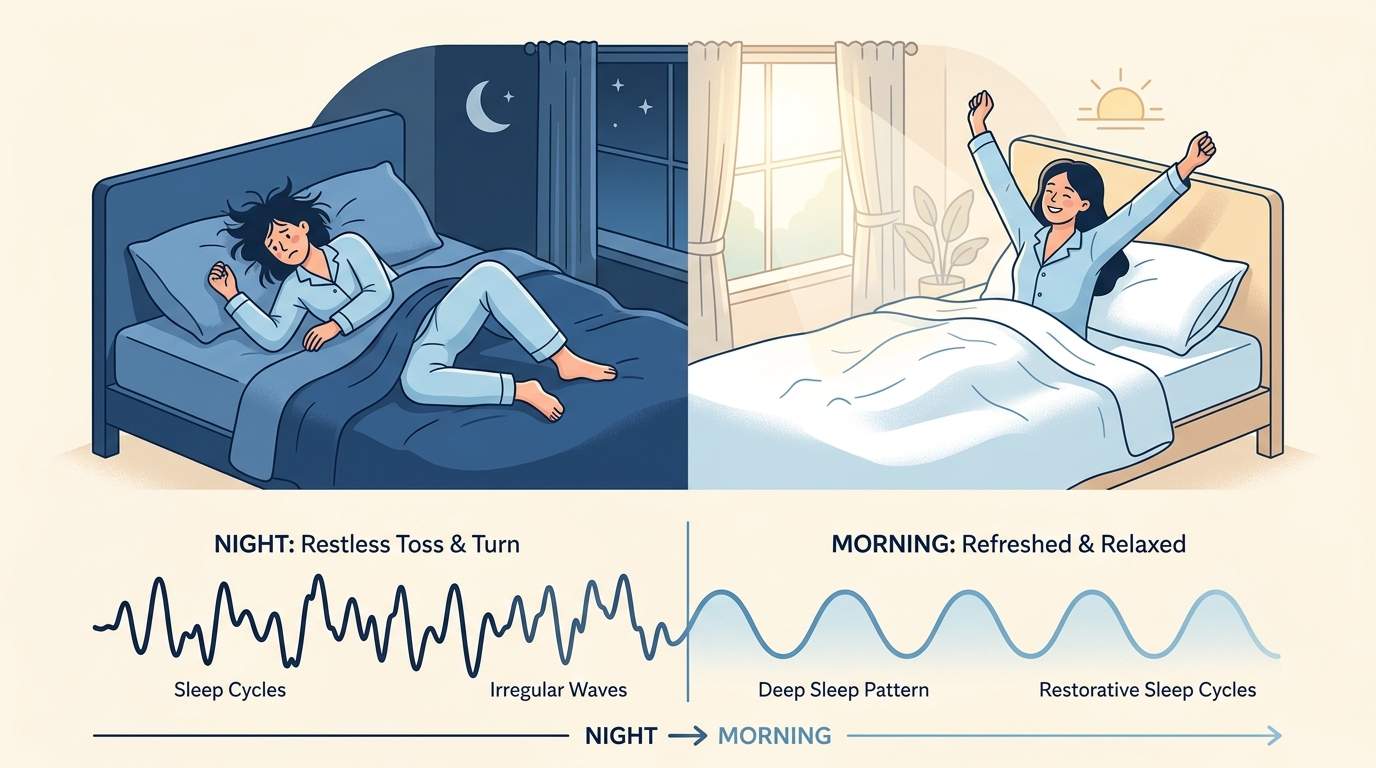
- Sleep 7-9 hours; poor rest disrupts melatonin, a hair protector per Sleep Medicine Reviews (2018).
- Loose ponytails reduce traction—tension alopecia sneaks up.
Empathy note: If you're juggling work and family like Sarah did, these aren't chores—they're quiet rebellions against the season's pull. One client shared how 10-minute walks halved her fallout; science agrees, as exercise normalizes hormones.
Stress Signals Your Hair Picks Up First
Watch for brittle ends or slower growth—early cues before visible hair thinning.
Long-Term Strategies: Resetting Your Hair Cycle Year-Round
For lasting prevention, sync with nature. A Japanese study in ePlasty (2017) followed 300 participants using rosemary oil massages; it rivaled 2% minoxidil, cutting shedding 44% via improved microcirculation—without side effects.
Avoid heat styling; air-dry to preserve the lipid barrier. Track progress with photos—motivation soars when you see density return. We've challenged ideas like "it's inevitable" or "shampoo fixes all." The logic closes: Honor the cycle, nourish the scalp, balance inputs, and shedding normalizes.
You're taking a stand for your vitality— that's powerful. Consult a dermatologist if shedding exceeds 150 daily or patches appear, but most reclaim fullness through these insights.
FAQs
Q: Is seasonal hair loss permanent?
A: No, it's typically temporary telogen effluvium lasting 3-6 months. Addressing triggers like scalp health and nutrition helps hair regrow stronger, per AAD guidelines.
Q: How much hair shedding is normal in fall?
A: Up to 100-150 hairs daily during peak season for some, versus 50-100 year-round. If it persists beyond winter, check iron levels or hormones.
Q: Can diet alone stop my hair thinning?
A: Diet supports but doesn't solo-fix; combine with scalp care for best results. Studies show ferritin optimization reduces shedding by 30-50% in deficient cases.