Have you ever woken up after what felt like a full eight hours, only to find yourself still dragging through the day, mentally foggy, and craving another nap? It's a frustratingly common experience, a quiet paradox in our quest for better health. We've been told for years that "eight hours is enough," and while quantity is certainly a factor, the truth about truly restorative rest runs far deeper than just watching the clock. It's not merely about the duration of your slumber, but the profound quality of the sleep you're actually getting – an intricate dance choreographed by your body’s own internal wisdom.
E.g. :The Ankle That Buckles: A Hidden Nerve Delay That Predicts Falls After 65
- 1、The Deeper Dive into Your Daily Exhaustion: More Than Just "Enough Sleep"
- 2、Decoding Your Body's Internal Timekeeper: The Power of Circadian Rhythms
- 3、Beyond the Bedtime Routine: Habits That Disrupt Your Deep Sleep
- 4、Cultivating Restorative Sleep: Actionable Strategies for Enhanced Sleep Quality
- 5、Reclaiming Your Energy: A Holistic Approach to Lasting Well-being
- 6、FAQs
The Deeper Dive into Your Daily Exhaustion: More Than Just "Enough Sleep"
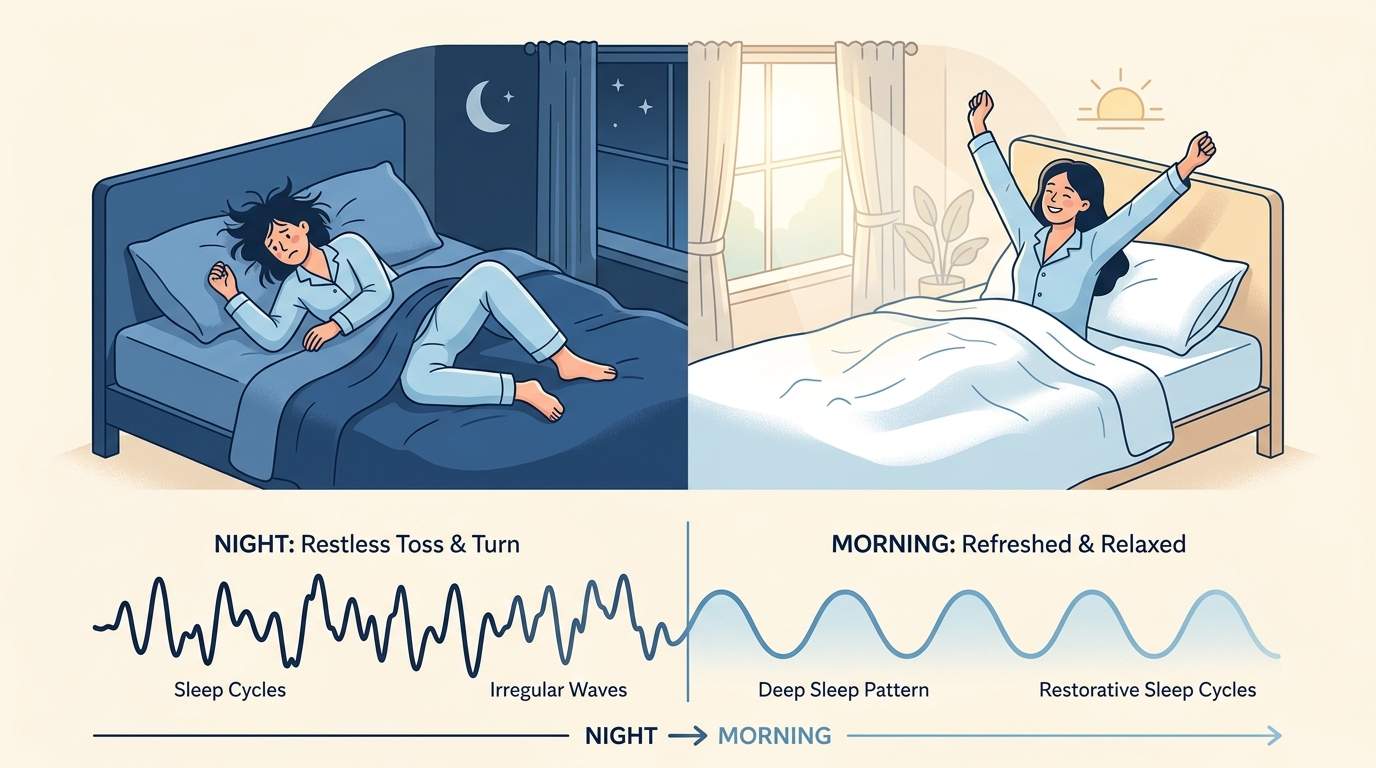
The feeling of persistent tiredness, despite seemingly adequate sleep, is more than just a minor inconvenience; it signals a potential misalignment between your lifestyle and your body's fundamental biological needs. Modern life, with its perpetual glow of screens and demanding schedules, often pulls us away from the natural rhythms that have guided human sleep for millennia. Many people focus on simply accumulating hours, perhaps by staying up late and then sleeping in, or by squeezing in naps. However, this fragmented approach often overlooks the critical role of consistent, high-quality sleep cycles in repairing the body, consolidating memories, and regulating mood and metabolism. It’s here that we begin to understand why simply extending time in bed might not be the answer to true insomnia relief or enhanced daily vitality.
Decoding Your Body's Internal Timekeeper: The Power of Circadian Rhythms
At the core of genuine sleep quality lies the circadian rhythm – your body's roughly 24-hour internal clock. This sophisticated biological system, primarily orchestrated by a cluster of nerve cells in the brain called the suprachiasmatic nucleus (SCN), regulates almost every physiological process, from hormone release to body temperature and, crucially, your sleep-wake cycle. When this rhythm is consistent, your body knows when to wind down and when to energize. When it's disrupted, every system feels the strain. Research, including studies published in journals like Science and Nature, consistently highlights the profound impact of a well-regulated circadian rhythm on overall health, linking its disruption to increased risks of metabolic disorders, cardiovascular issues, and even certain mental health challenges.
How Light and Darkness Orchestrate Your Sleep-Wake Cycle
The most powerful external cue for your circadian rhythm is light. Natural daylight signals to your SCN that it’s time to be awake and alert, suppressing the production of melatonin, the "sleep hormone." Conversely, as darkness falls, melatonin production increases, signaling to your body that it's time to prepare for sleep. However, our modern environments are saturated with artificial light, especially from electronic screens. Blue light, emitted by smartphones, tablets, and computers, is particularly problematic because it mimics daylight, effectively telling your brain it's still daytime, even hours after sunset. Studies from institutions like Harvard Medical School have repeatedly shown that exposure to blue light in the evening can significantly suppress melatonin production, delaying sleep onset and impacting deep sleep tips.

The Hormonal Symphony: Melatonin and Cortisol
Beyond light, a delicate hormonal balance plays a critical role. Melatonin, often referred to as the "hormone of darkness," promotes sleepiness, preparing your body for rest. Cortisol, on the other hand, is the "stress hormone," which peaks in the morning to help you wake up and then gradually declines throughout the day. A healthy circadian rhythm ensures these hormones are released at appropriate times, creating a smooth transition from wakefulness to sleep and back again. Chronic stress, irregular sleep patterns, or even late-night eating can throw this delicate balance into disarray, leading to difficulty falling asleep, frequent awakenings, and that persistent feeling of exhaustion.
Beyond the Bedtime Routine: Habits That Disrupt Your Deep Sleep
Many common habits, often adopted without a second thought, can silently undermine your efforts to achieve restorative sleep. We frequently gravitate towards quick fixes or comforting routines that, upon closer inspection, do more harm than good for our sleep quality.
- The "Nightcap" Fallacy: It's a common belief that a glass of wine or a nightcap before bed helps you sleep. While alcohol can initially induce drowsiness, leading you to fall asleep faster, it significantly disrupts the later, more restorative stages of sleep, particularly REM (Rapid Eye Movement) sleep. Research published in journals like Alcoholism: Clinical & Experimental Research demonstrates that alcohol fragments sleep, leading to more awakenings and overall poorer sleep quality, leaving you feeling less refreshed despite the hours logged.
- The Weekend "Catch-Up": Attempting to "catch up" on sleep during weekends by sleeping in for several extra hours can ironically worsen your sleep problems. This practice, often termed "social jet lag," further confuses your body's circadian rhythm, making it harder to fall asleep on Sunday night and more difficult to wake up on Monday morning. It essentially puts your body through a mini-jet lag every week, impacting metabolism and mood, as evidenced by studies in Sleep Medicine that link social jet lag to higher risks of obesity and heart disease.
- Irregular Sleep Schedule: Perhaps the single most detrimental habit to your circadian rhythm is an inconsistent sleep schedule. Going to bed and waking up at vastly different times, even by an hour or two each day, sends mixed signals to your internal clock. This irregularity prevents your body from establishing a predictable rhythm, making it harder to achieve deep, uninterrupted sleep.
Cultivating Restorative Sleep: Actionable Strategies for Enhanced Sleep Quality
Understanding the "why" empowers us to implement effective "how-tos." Shifting from merely accumulating hours to actively enhancing sleep quality requires a multi-faceted approach, focusing on consistent habits that support your natural circadian rhythm.
Optimizing Your Sleep Environment
Your bedroom should be a sanctuary for sleep. Ensure it is dark, cool, and quiet. Darkness signals melatonin production; even small amounts of light can be disruptive. Aim for a room temperature between 60-67°F (15-19°C), as a cooler environment facilitates sleep. Block out noise with earplugs or a white noise machine if necessary. Invest in a comfortable mattress and pillows that support your body properly. Simple changes here can have a profound impact on deep sleep tips.
The Role of Consistent Sleep Schedule
This is perhaps the most crucial adjustment for long-term insomnia relief. Strive to go to bed and wake up at roughly the same time every day, including weekends. This consistency reinforces your body's natural circadian rhythm, making it easier to fall asleep and wake up feeling refreshed. Over time, your body will naturally anticipate sleep and wakefulness, reducing the reliance on alarms.
Dietary Choices and Sleep Health
What you eat, and when, significantly influences your sleep. Avoid heavy, fatty, or spicy meals close to bedtime, as they can cause indigestion and discomfort. Similarly, limit caffeine and excessive sugar intake in the late afternoon and evening, as these are stimulants. Instead, consider incorporating foods rich in tryptophan (like turkey or nuts), magnesium (leafy greens, almonds), or certain complex carbohydrates a few hours before bed, which can support melatonin production and relaxation.
Reclaiming Your Energy: A Holistic Approach to Lasting Well-being
Achieving genuine sleep quality is not about chasing an elusive ideal; it's about realigning with your body's innate wisdom. By understanding the profound influence of your circadian rhythm and addressing the subtle disruptors in your daily life, you embark on a journey towards not just more sleep, but better sleep. This isn't about rigid rules, but about making informed, sustainable choices that honor your biological clock. The reward is profound: waking up truly refreshed, with sustained energy, clearer focus, and improved resilience to daily stressors. It's a commitment to your well-being that pays dividends across every aspect of your life.
FAQs
Q: Is it possible to "catch up" on lost sleep during the weekends?
A: While it's tempting to try and compensate for weekday sleep deficits by sleeping in on weekends, this practice, often called "social jet lag," can actually disrupt your body's natural circadian rhythm even further. It's akin to giving yourself mini-jet lag every week, making it harder to fall asleep on Sunday night and feel refreshed on Monday morning. For true sleep quality, consistency in your sleep schedule, even on weekends, is more beneficial than attempting to "catch up."
Q: How long does it typically take to re-establish a healthy sleep schedule and improve sleep quality?
A: The time it takes varies from person to person, but generally, you can expect to see noticeable improvements within a few weeks to a few months of consistent effort. Your body's circadian rhythm needs time to adjust to new patterns. Patience and persistence are key. Stick to your consistent sleep and wake times, optimize your sleep environment, and manage light exposure, and your body will gradually adapt, leading to better deep sleep tips and overall insomnia relief.
Q: What's the optimal room temperature for achieving deep, restorative sleep?
A: Most sleep experts recommend keeping your bedroom cool, typically between 60-67°F (15-19°C). A cooler environment helps your body's core temperature drop, which is a natural signal for initiating and maintaining sleep. Conversely, a room that's too warm can disrupt sleep patterns and lead to more restless nights, negatively impacting sleep quality.