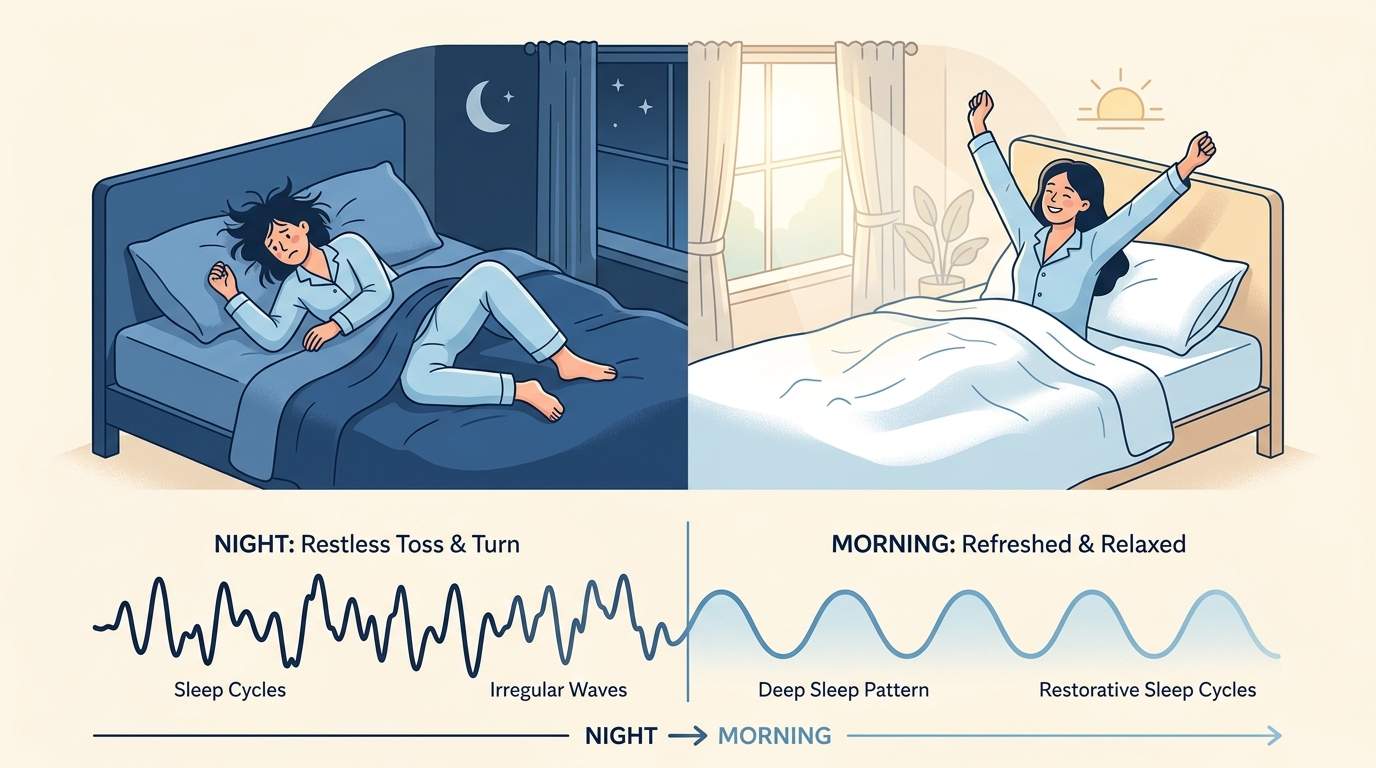
Picture this: you slump into bed after a long day at your desk, rubbing that nagging ache in your lower back, convinced it's just "part of the job." You've stretched, popped pain relievers, and maybe even swapped chairs, yet the discomfort creeps back by noon the next day. For millions glued to screens and seats, this isn't random—it's a daily toll from hours of uninterrupted sitting that reshapes how your spine holds up.
E.g. :Reasons for the Higher Prevalence of Alzheimer's Disease Among Women Worldwide
- 1、Why Prolonged Sitting Triggers Lower Back Pain in Desk Workers
- 2、The Hidden Mechanics of Poor Posture and Spinal Compression During Prolonged Sitting
- 3、Challenging Desk Job Back Pain Myths That Prolong Your Suffering
- 4、Effective Back Pain Relief Strategies Tailored for Prolonged Sitting Schedules
- 5、Long-Term Prevention: Strengthening Your Core Against Lower Back Pain from Desk Jobs
- 6、FAQs
Why Prolonged Sitting Triggers Lower Back Pain in Desk Workers
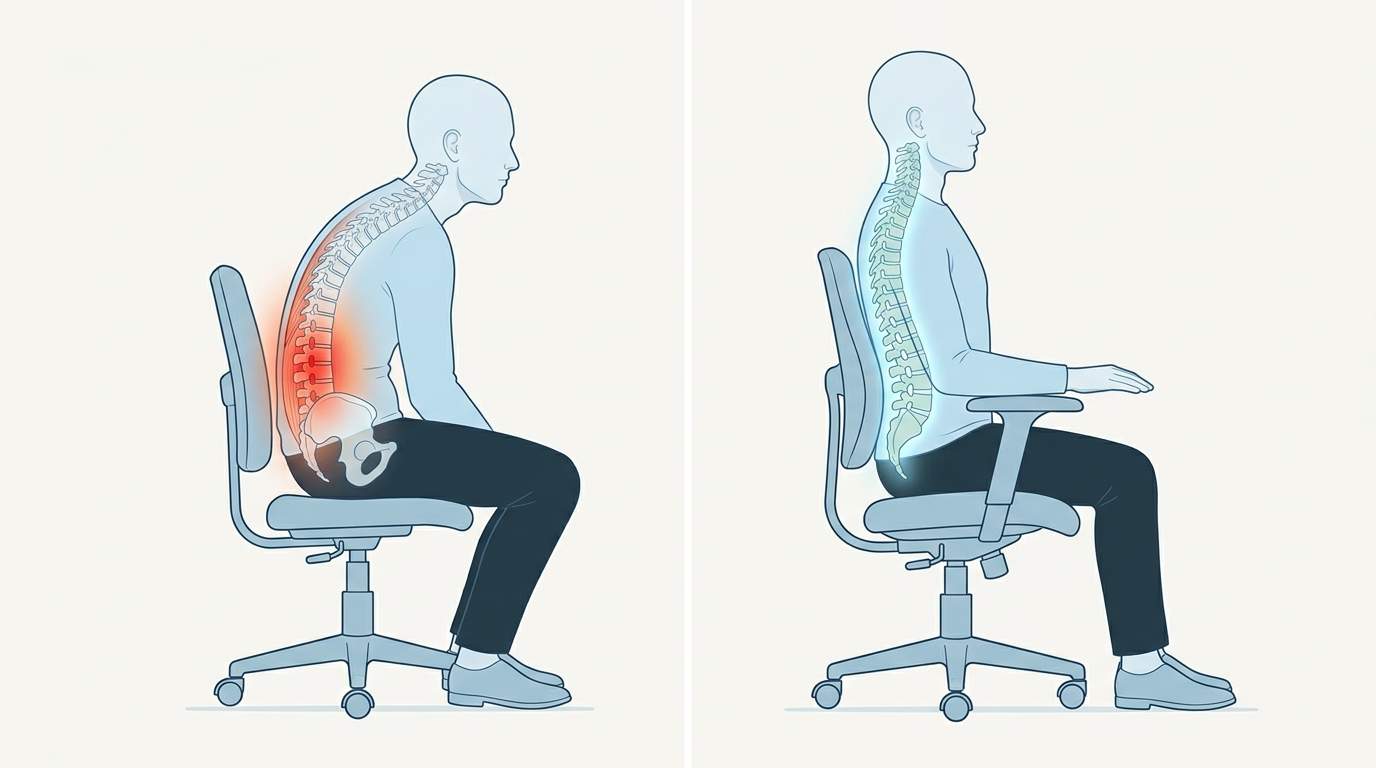
Lower back pain affects about 80% of adults at some point, according to the National Institutes of Health (NIH), and prolonged sitting is a top culprit for office-bound folks. When you sit for hours—think 6-8 hours daily, as reported in a 2023 study from the Journal of Occupational Health—your lumbar spine bears up to 90% more pressure than standing. This isn't about weak muscles alone; it's physics at play. Your pelvis tilts backward, flattening the spine's natural curve, and gravity squeezes intervertebral discs like a vice. I remember a reader, Sarah, a marketing exec who shared how her "harmless" desk marathons left her sidelined for weeks—until she uncovered the real mechanics.
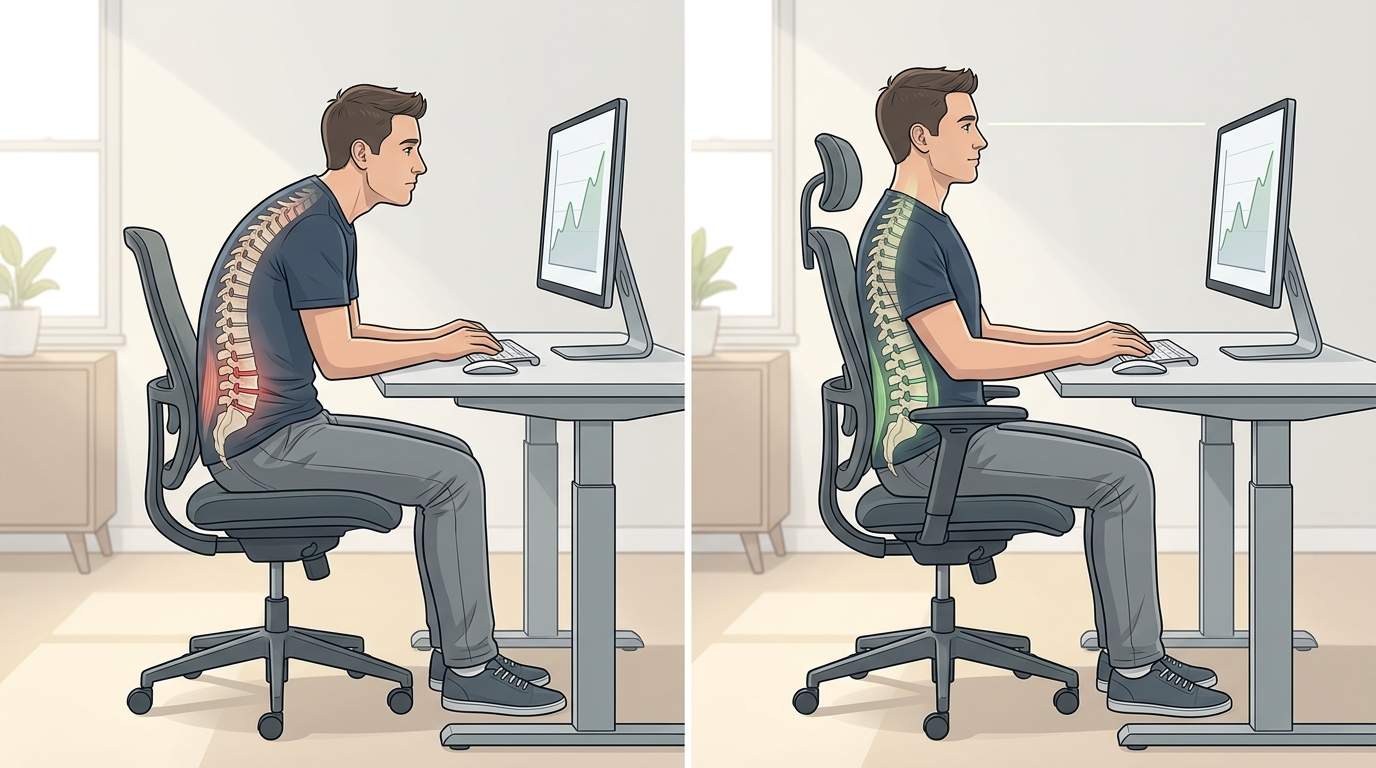
The Hidden Mechanics of Poor Posture and Spinal Compression During Prolonged Sitting
Your lower back isn't built for static loads. Harvard Health Publishing notes that sitting increases disc pressure by 40% compared to standing, leading to fluid loss in those cushions between vertebrae. Over time, this dehydration weakens them, inviting micro-tears and inflammation.
How Prolonged Sitting Reshapes Your Spine Over Months
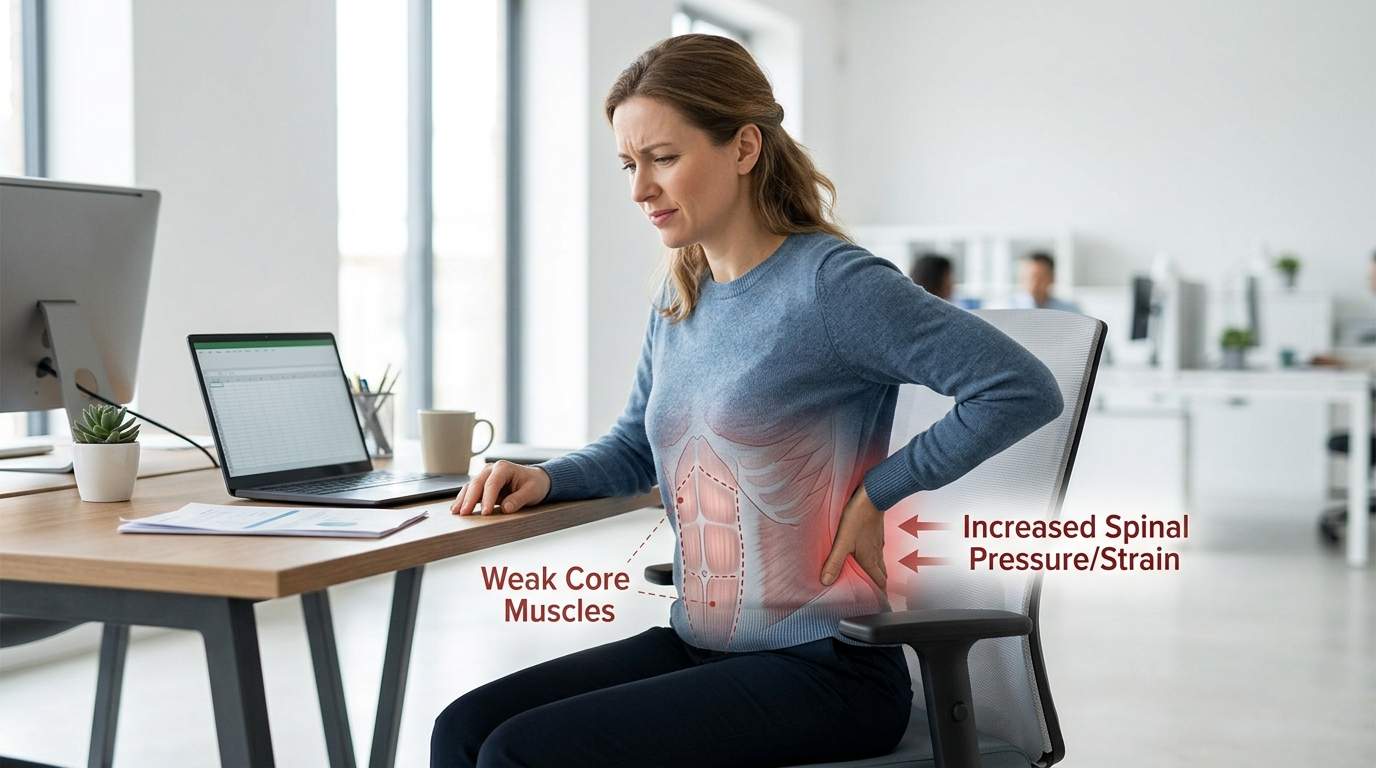
A 2022 BMJ study tracked 1,000 desk workers and found those sitting over 4 hours without breaks had a 25% higher risk of chronic lower back pain. The spine adapts poorly: hip flexors shorten, glutes deactivate, and your core slacks off, creating a domino effect where poor posture becomes the norm.
Challenging Desk Job Back Pain Myths That Prolong Your Suffering
Let's bust a few assumptions keeping you in pain. First, many think ergonomic chairs fix everything—nope. A Mayo Clinic review shows chair adjustments help only 30% if you ignore movement. Second, "just stretch it out" oversimplifies; static stretches during prolonged sitting can worsen imbalances without addressing root compression. Third, blaming age? The CDC reports sedentary lifestyles spike lower back pain risk by 35% across all ages under 65. These myths trap you in cycles—real relief demands understanding why your body rebels against stillness.
Effective Back Pain Relief Strategies Tailored for Prolonged Sitting Schedules
Shifting habits starts with awareness. The American Chiropractic Association recommends the 20-20-20 rule: every 20 minutes, stand for 20 seconds, walk 20 steps. This counters disc compression, restoring hydration per a Spine Journal study where participants saw 15% pain reduction in two weeks.
Micro-Movements and Posture Resets to Combat Poor Posture
Incorporate neutral spine alignment: feet flat, knees at 90 degrees, screen at eye level. Add a lumbar roll to maintain your lordotic curve—simple tools like these cut strain by 50%, per ergonomic research from Cornell University. Sarah tried this after our chat; within days, her midday ache faded, proving small tweaks yield big wins. You're not alone in this grind—your body craves these resets as much as you crave relief.
Long-Term Prevention: Strengthening Your Core Against Lower Back Pain from Desk Jobs
Quick fixes fade, but building resilience lasts. Focus on functional strength: planks and bird-dogs activate deep stabilizers, reducing recurrence by 40% according to a Physical Therapy journal meta-analysis of 20 trials. Pair with daily walks—aim for 7,000 steps, as NIH data links this to 22% lower back pain odds. Track progress gently; celebrate when mornings feel lighter. If pain persists, consult a pro—it's a sign to prioritize, not push through.
You've got this. That persistent twinge? It's your body's signal for change, and decoding it empowers real, lasting ease.
FAQs
How long does it take for back pain relief from fixing prolonged sitting habits?
Most see initial relief in 1-2 weeks with consistent posture tweaks and breaks, per Mayo Clinic guidelines, though full recovery from chronic lower back pain may take 4-6 weeks alongside strengthening.
Can standing desks fully prevent lower back pain from poor posture?
Standing desks help reduce prolonged sitting risks by 30-50% (BMJ study), but alternating positions and maintaining good posture are key—pure standing can strain other areas without movement.
What's the first step for desk workers dealing with lower back pain?
Start with hourly micro-breaks: stand, hinge at hips, and gently arch your back. This immediately eases spinal pressure, as shown in occupational health trials.