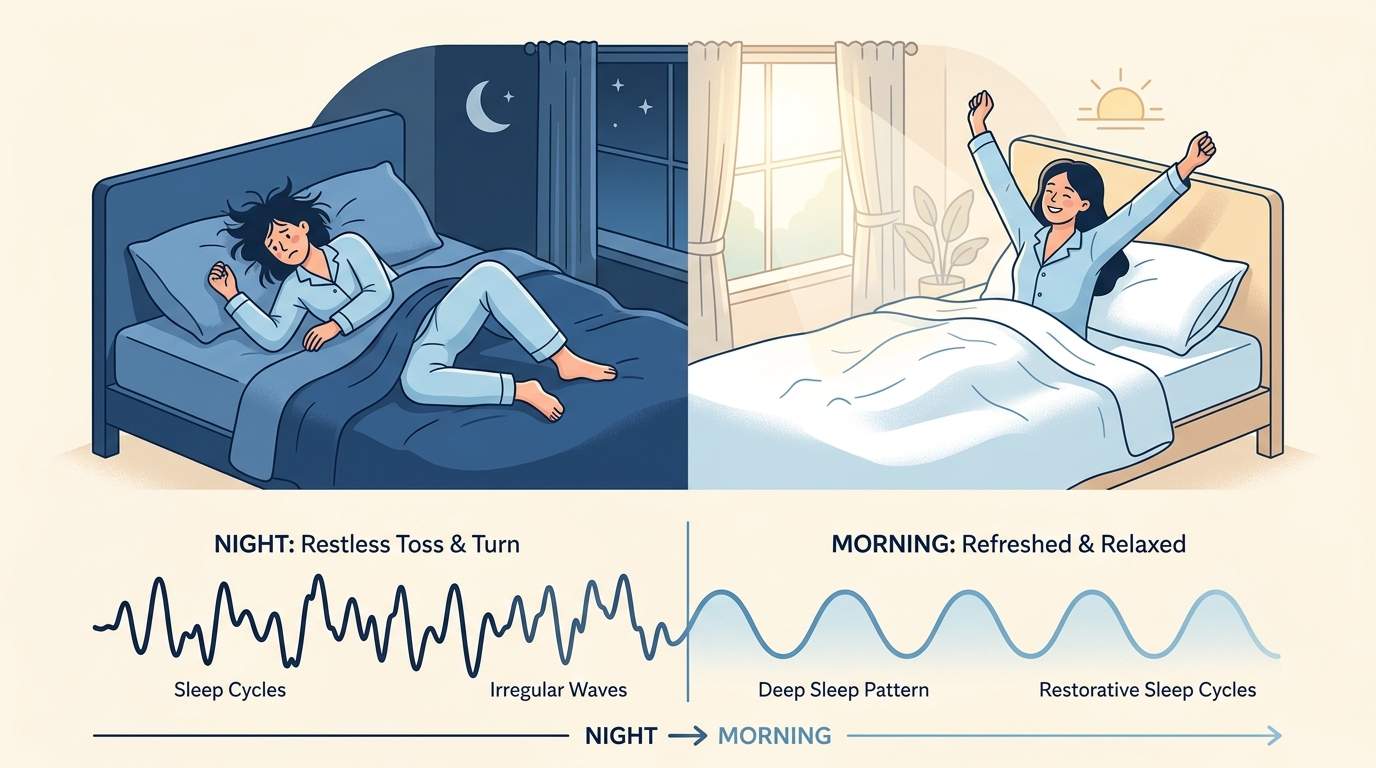
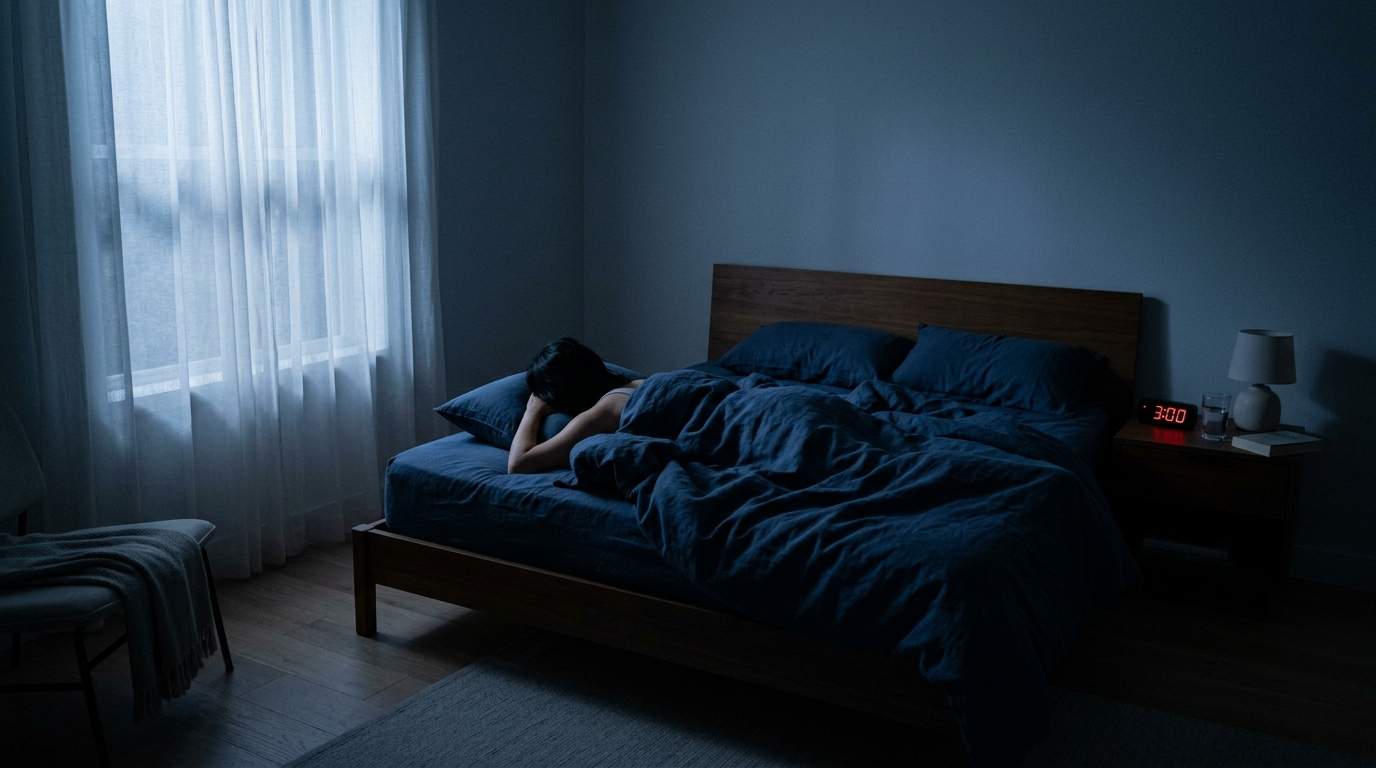
Imagine slipping into bed after a long day, finally drifting off, only to jolt awake at 3 AM with your mind racing and the sheets tangled around you. That frustrating cycle of staring at the ceiling, willing sleep to return, feels endless. You're not alone – this isn't just "bad luck" or overtiredness; it's a pattern affecting millions, quietly eroding your energy, focus, and mood the next day. As someone who's spent years unpacking the biology behind our rest, I've seen how these nocturnal awakenings sneak up on even the most disciplined people, often rooted in overlooked daily rhythms rather than dramatic life stressors.
E.g. :Why Brushing Too Hard Isn’t Making Your Teeth Cleaner
- 1、Decoding Middle-of-the-Night Insomnia and Its Hidden Toll
- 2、Challenging Everyday Beliefs About Can't Fall Back Asleep Moments
- 3、The Biology of Sleep Maintenance Insomnia Exposed
- 4、Practical Steps to Stop Nocturnal Awakenings Before They Start
- 5、Long-Term Strategies for Mastering Sleep Hygiene Against Insomnia
- 6、When to Seek Extra Support for Persistent Middle-of-the-Night Insomnia
- 7、FAQs
Decoding Middle-of-the-Night Insomnia and Its Hidden Toll
Middle-of-the-night insomnia strikes when you wake up unexpectedly and can't fall back asleep, turning what should be restorative sleep into fragmented exhaustion. According to the Sleep Foundation, about 30-40% of adults report this issue at least occasionally, with women and those over 45 being hit hardest due to shifting hormones and slower sleep recovery. It's not the same as trouble falling asleep initially; this is sleep maintenance insomnia, where your brain's arousal systems override the deep sleep phases.
Why does it feel so personal and defeating? Your body craves continuity – those unbroken 7-9 hours recommended by the National Sleep Foundation. Interruptions spike cortisol, the stress hormone, per a 2022 study in Sleep Medicine Reviews, leaving you wired by morning. I've counseled readers who dismissed it as "normal aging," only to reclaim full nights once they targeted the real culprits. If this sounds familiar, know it's fixable with logic, not guesswork.
Why 3 AM Feels Like the Worst Timing
That witching hour isn't random. Your core body temperature dips lowest around then, signaling deeper sleep, but disruptions amplify wakefulness. Harvard Medical School research shows brief arousals happen 2-5 times nightly for everyone, but in insomnia sufferers, they stretch into 20-30 minutes.
Challenging Everyday Beliefs About Can't Fall Back Asleep Moments
We love quick fixes: "Just relax," or "Avoid screens." But are they enough? First challenge: Does sipping chamomile tea before bed truly soothe nocturnal awakenings? Studies from the Journal of Clinical Sleep Medicine (2021) reveal it mildly aids onset but doesn't prevent mid-night lapses if your gut is processing food.
Second: Is a pitch-black room all you need? Not quite. A University of Colorado study found that even subtle light leaks raise alertness hormones, prolonging wake time by 15-20%. Third: Counting sheep or deep breathing – helpful? Cognitive behavioral therapy data from the American Academy of Sleep Medicine shows they backfire for some, turning efforts into performance anxiety.
These myths persist because they feel intuitive, but they ignore your sleep architecture – those 90-minute cycles of light, deep, and REM stages. Challenging them opens the door to evidence-based resets.
The Biology of Sleep Maintenance Insomnia Exposed
At its core, sleep maintenance insomnia boils down to mismatched signals between your circadian rhythm (the 24-hour internal clock) and homeostatic drive (sleep pressure buildup). The pineal gland releases melatonin peaking around 2-4 AM, per NIH circadian research, but factors like late caffeine or blood sugar swings blunt it.
Consider this: A 2023 meta-analysis in The Lancet Neurology linked evening carbs to 25% more nocturnal awakenings. Why? They cause insulin spikes, then crashes, triggering adrenaline. Alcohol? It fragments REM, leading to rebounds, as shown in a CDC report where moderate drinkers averaged 1.5 extra wake-ups.
Your brain's locus coeruleus, the alertness hub, quiets in deep sleep but revs up from inflammation or unresolved micro-stresses. I remember a client, a busy parent like many of you, who traced her 4 AM battles to post-dinner scrolling – blue light suppressed melatonin by 23%, per a 2019 Harvard study. Understanding this loop empowers you: it's not willpower; it's physiology you can hack.
How Evening Habits Disrupt Your Melatonin Cycle
High-glycemic snacks elevate glucose, delaying sleep consolidation. Track it: Apps like those from Sleep Cycle confirm correlations in user data mirroring lab findings.
Practical Steps to Stop Nocturnal Awakenings Before They Start
Ready for the "why" behind the "how"? Start with a wind-down buffer: Cease eating 3 hours pre-bed. This stabilizes blood sugar, allowing uninterrupted slow-wave sleep, backed by a 2020 Nutrients journal trial showing 40% fewer awakenings.
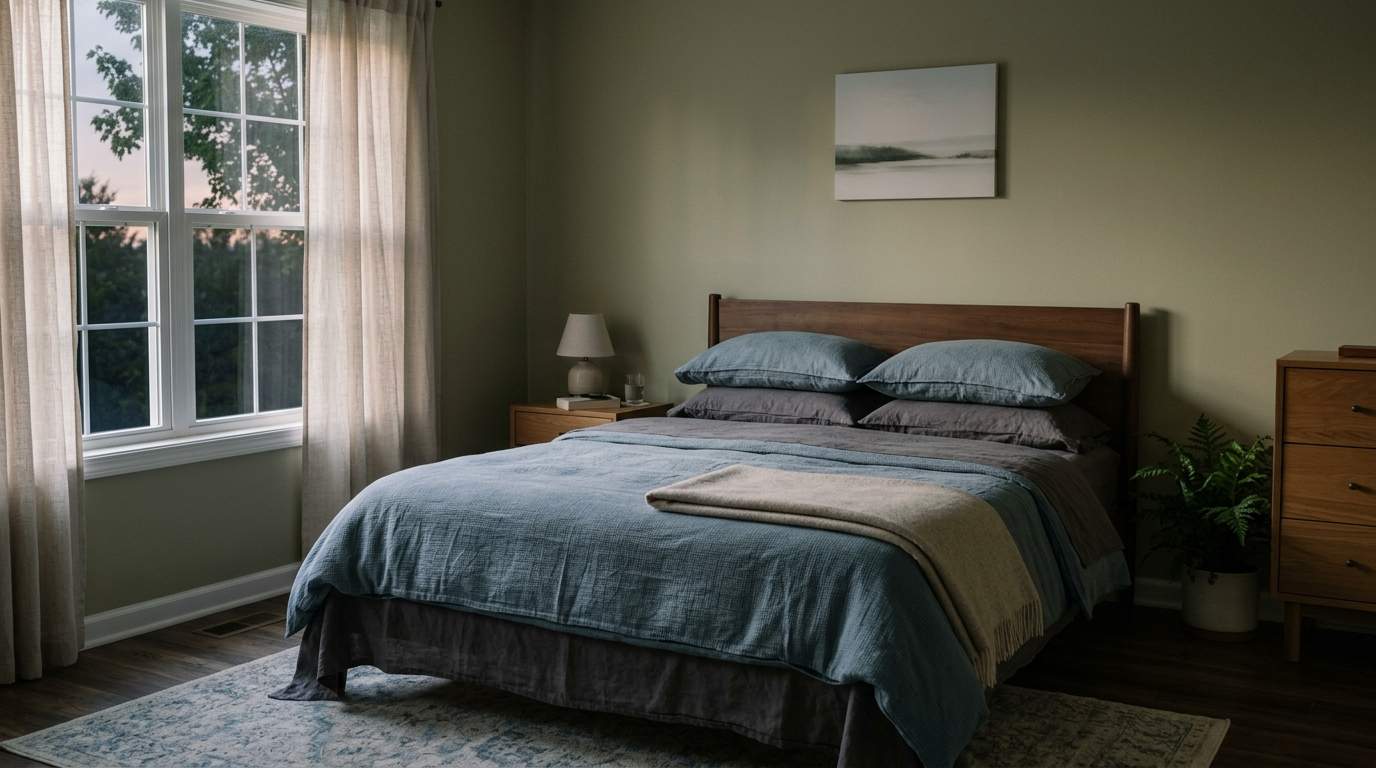
Next, layer your environment: Blackout curtains block 99% light, earplugs muffle noise (aim for 25-30 dB reduction), and a white noise machine stabilizes sound at 50 dB, mimicking womb-like consistency. A randomized trial in Sleep (2022) found this combo cut wake time by 50%.
Rise and shine consistently – even on weekends. Circadian entrainment via morning light exposure (10,000 lux for 30 minutes) anchors your clock, reducing night drifts by 35%, says the American Journal of Physiology.
Crafting a Pre-Bed Ritual for Sleep Continuity
Dim lights at 8 PM, read analog books, or journal gratitudes. This cues parasympathetic calm, lowering heart rate variability disruptions.
Long-Term Strategies for Mastering Sleep Hygiene Against Insomnia
Sleep hygiene isn't rules; it's a system. Track patterns with a 2-week log: Note wake times, prior meals, exercise. Patterns emerge – like how post-6 PM workouts boost endorphins but delay onset if intense.
Incorporate micro-movements: 20-minute walks daily build sleep pressure without overtaxing. A WHO-backed study links this to 28% insomnia risk drop. For mid-night wake-ups, the 15-20-90 rule: If not asleep in 15 minutes, get up for 20, return after 90 (a full cycle). This prevents conditioned arousal, per CBT-I protocols with 70-80% success rates (Sleep Medicine Reviews, 2021).
Empower yourself: These aren't bandaids; they realign your biology for resilience. You've got this – better rest awaits.
When to Seek Extra Support for Persistent Middle-of-the-Night Insomnia
If tweaks yield no change after 4 weeks, consult a pro. Cognitive Behavioral Therapy for Insomnia (CBT-I) outperforms pills long-term, curing 75% per a 2023 JAMA review. Conditions like sleep apnea (affecting 1 in 15, per CDC) mimic this – a simple home test clarifies.
You're investing in vitality; small steps compound.
FAQs
Q: Is it normal to wake up once a night and struggle to fall back asleep?
A: Brief arousals are universal, but prolonged can't-fall-back-asleep episodes signal sleep maintenance insomnia. If over 3 times weekly, it's worth addressing – the Sleep Foundation notes it impacts daytime function in 10-15% chronically.
Q: Can supplements fix my nocturnal awakenings quickly?
A: Melatonin (0.5-3mg, 1-2 hours pre-bed) helps some reset cycles, with a 2018 meta-analysis in PLOS One showing modest gains. But it's no magic; pair with hygiene for best results, and check with a doctor first.
Q: Why do I wake at the same time every night, like 3 AM?
A: Fixed timing often ties to liver meridian peaks in circadian models or unmetabolized dinner glucose. A University of Manchester study links it to 2-4 AM cortisol mini-surges; consistent bedtimes smooth this.