You have probably heard the advice to "eat your vegetables first." It sounds like something a parent would say to a reluctant child. But emerging nutritional science suggests that this simple parental directive is actually one of the most powerful metabolic strategies available. The order in which you eat the components of a meal—not just what you eat—profoundly shapes your body's hormonal and glucose response. When you start a meal with fiber-rich vegetables and protein, then move to carbohydrates, you flatten the post-meal glucose curve, reduce insulin secretion, and extend satiety. This is not a diet. It is a behavioral tool that works with your physiology, not against it. And it requires no calorie counting, no food elimination, and no special ingredients. It simply asks you to rearrange what is already on your plate.
E.g. :You Avoid Sunscreen to Get Enough Vitamin D – Here’s Why That’s a False Trade-Off
- 1、The Science of Food Sequencing: Why Order Matters More Than You Think
- 2、The Mechanism: How Fiber and Protein Prime Your Metabolism
- 3、Practical Implementation: How to Sequence Your Meals
- 4、Evidence from Real-World Studies: What the Data Shows
- 5、Avoiding Common Pitfalls: When Food Sequencing Fails
- 6、Combining Sequencing with Other Metabolic Strategies
- 7、The Takeaway
- 8、FAQs
The Science of Food Sequencing: Why Order Matters More Than You Think
The concept of food sequencing is grounded in gastrointestinal physiology. When you eat fiber and protein first, several things happen. Fiber forms a viscous gel in the stomach, slowing gastric emptying. Protein stimulates the release of glucagon, which opposes insulin and helps stabilize blood sugar. Together, they delay the arrival of glucose from carbohydrates into the small intestine, where absorption occurs. A 2015 study in Diabetes Care had participants eat the same meal in two different orders. In one session, they ate carbohydrates first; in the other, they ate vegetables and protein first. The latter group had 30-40% lower post-meal glucose and insulin levels, despite identical calories and macronutrients. A 2023 randomized controlled trial in Nutrients confirmed that food sequencing reduced postprandial glucose by an average of 38% in healthy adults. The effect was independent of body weight and baseline insulin sensitivity.
The Mechanism: How Fiber and Protein Prime Your Metabolism
To understand why fiber protein first works, you need to look at the hormonal cascade that begins the moment food touches your tongue.
The Role of GLP-1 and PYY
When protein and fiber hit the small intestine, they trigger the release of glucagon-like peptide-1 (GLP-1) and peptide YY (PYY). These "incretin" hormones slow gastric emptying, reduce appetite, and enhance insulin secretion in a glucose-dependent manner. A 2018 study in The Journal of Clinical Endocrinology & Metabolism found that eating protein before carbohydrates increased GLP-1 levels by 50% compared to eating carbohydrates alone. The result: a smoother, lower glucose rise and a sustained feeling of fullness.
Mechanical Slowing
Fiber, especially soluble fiber from vegetables, legumes, and whole grains, absorbs water and forms a gel. This gel physically slows the movement of food from the stomach to the small intestine. Carbohydrates that arrive later are released into the bloodstream more gradually, preventing the sharp spike that triggers an overzealous insulin response.
Practical Implementation: How to Sequence Your Meals
You do not need to change what you eat. Just change the order.
Step One: Start with Vegetables (Fiber)
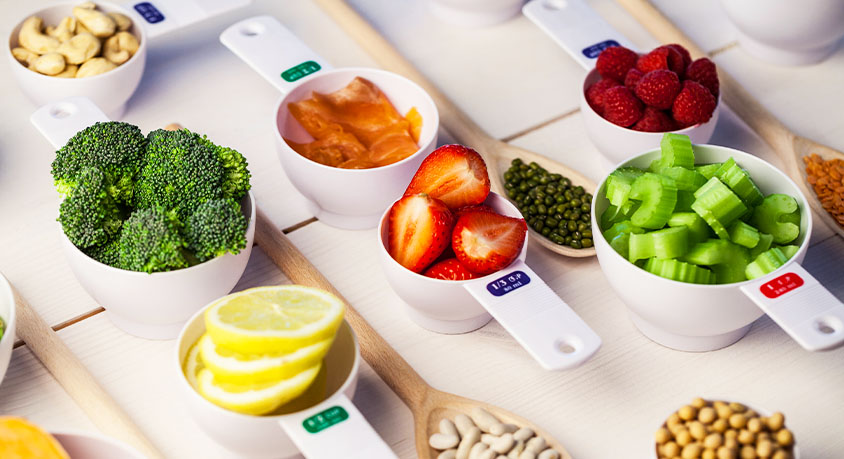
Fill half your plate with non-starchy vegetables: leafy greens, broccoli, bell peppers, cucumbers, cauliflower. Eat them first. If you are not a vegetable lover, start with a small salad or a few bites of cooked greens.
Step Two: Follow with Protein
Next, eat your protein source: chicken, fish, eggs, tofu, beans, or lentils. Protein further slows digestion and stimulates satiety hormones.
Step Three: End with Carbohydrates
Finally, eat your carbohydrates: rice, pasta, bread, potatoes, fruit. By the time you reach them, your stomach has already begun the slow-release process, and the glucose spike is significantly blunted.
A meal order plate with three compartments can help train the habit. Use the largest section for vegetables, the medium for protein, and the smallest for carbs.
Evidence from Real-World Studies: What the Data Shows
The research on blood sugar control through food sequencing is not limited to lab settings.
Diabetic and Prediabetic Populations
A 2019 study in BMJ Open Diabetes Research & Care enrolled patients with type 2 diabetes. One group was instructed to eat vegetables and protein before carbohydrates; the control group ate the same meal but in any order. After eight weeks, the sequencing group had significantly lower HbA1c (a marker of long-term blood sugar) and reduced post-meal glucose excursions. Some participants were able to reduce their diabetes medication. A 2021 study in Nutrition & Diabetes found that food sequencing improved insulin sensitivity in individuals with prediabetes by 25% over 12 weeks.
Healthy Individuals
Even in metabolically healthy people, food sequencing improves energy stability. A 2020 crossover study had healthy adults eat a standard breakfast (eggs, toast, fruit) in two different orders. The fruit-first condition produced a higher glucose spike and a subsequent crash, leading to increased hunger and lower energy at midday. The eggs-first condition flattened the curve, and participants reported feeling more alert and less tempted to snack.
Avoiding Common Pitfalls: When Food Sequencing Fails
Food sequencing is powerful, but it is not magic. It works best when the overall meal is balanced.
The Refined Carb Trap
If your "carbohydrates" are a sugary soda or a white bagel with jam, sequencing will help, but only modestly. Highly refined carbohydrates have no fiber and little intrinsic structure; they absorb rapidly regardless of order. Prioritize complex carbohydrates (whole grains, legumes, intact starches) for best results.
The Portion Problem
Sequencing does not give you license to overeat. If you consume excess calories, especially from fats and refined carbs, you will still see metabolic consequences. Use a portion control container to keep serving sizes reasonable.
Inconsistent Application
The benefit is dose-dependent. Occasional sequencing helps; consistent sequencing transforms. Make it a default habit, not a special-occasion technique.
Combining Sequencing with Other Metabolic Strategies
Food sequencing synergizes with other evidence-based practices.
Slow Chewing
As discussed in a previous article, chewing each bite thoroughly amplifies the effect of sequencing by further slowing gastric emptying. Combine the two for maximal glucose control.
Pre-Meal Hydration
Drinking a glass of water 10 minutes before eating can enhance satiety and prepare the digestive tract.
Post-Meal Movement
A 10-minute walk after finishing your meal—especially after the carbohydrate portion—uses muscle contraction to clear glucose independently of insulin.
Tracking Progress
Keep a glucose tracking journal for one week. Note your meal order and your energy levels 2 hours after eating. Most people see a clear pattern: sequencing days produce stable energy; carb-first days produce crashes.
The Takeaway
Food sequencing is one of the simplest, most underutilized tools in metabolic health. It requires no special foods, no supplements, and no deprivation. It simply asks you to rearrange what you are already eating. Start your meal with vegetables, then protein, then carbohydrates. This small change flattens your glucose curve, reduces insulin surges, and prevents the mid-afternoon energy crash. Try it for three days. You will likely notice the difference—not because you ate less, but because you ate in the order your biology expects.
FAQs
Q: What if I am eating a mixed dish like a stir-fry or casserole? Can I still practice food sequencing?
A: Yes, with a slight modification. Before digging into the mixed dish, eat a small "first course" of a few bites of vegetables and a few bites of protein from the dish. You can also add a side salad or a few slices of cucumber as a starter. The goal is to get fiber and protein into your stomach before the bulk of the carbohydrates. Even a few minutes of separation helps.
Q: Does food sequencing work for breakfast, especially if I eat oatmeal or cereal?
A: Absolutely. For oatmeal, add a scoop of protein powder or Greek yogurt and a handful of berries or nuts. Eat the yogurt and berries first, then the oatmeal. For cereal, eat a hard-boiled egg or a piece of cheese before the cereal bowl. If you drink a smoothie, add protein and fiber (spinach, chia seeds) and sip slowly over 10-15 minutes rather than gulping it down.
Q: Can I use food sequencing if I take diabetes medication that requires me to eat carbohydrates at a certain time?
A: If you are on insulin or oral hypoglycemics, consult your healthcare provider before changing meal order. Some medications are timed to match carbohydrate intake; altering the absorption rate could affect blood sugar levels. For most people with type 2 diabetes not on rapid-acting insulin, food sequencing is safe and beneficial. Always discuss dietary changes with your doctor. Using a meal order plate can help you visualize and adhere to the new sequence.