You try a new moisturizer, and your face burns. You switch to a “sensitive skin” cleanser, and red patches appear. You’ve stopped using almost everything – now just water and a basic lotion. Your skin still feels warm and irritated.
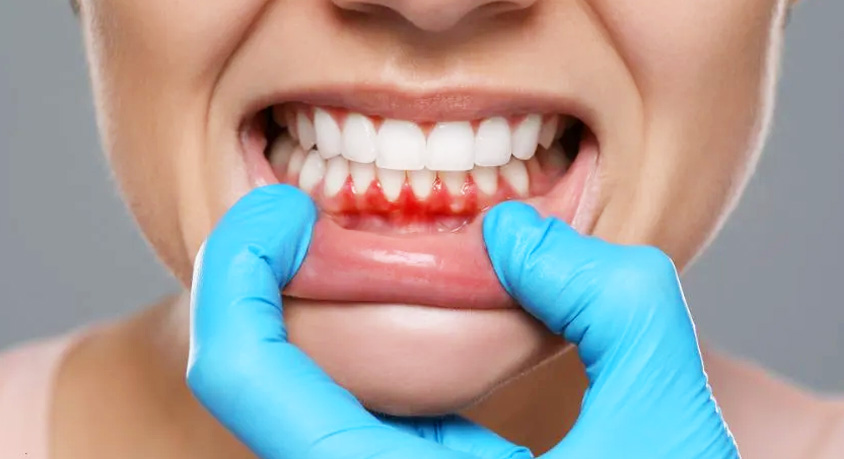
E.g. :Your Gums Bleed When You Brush – It’s Not the Brush
- 1、Sensitive Skin vs. Rosacea – Why Many People Misdiagnose
- 2、The Barrier Damage Loop – Why “Doing Nothing” Fails
- 3、How to Actually Repair Sensitive Skin – Additives That Help
- 4、The One-Month Sensitive Skin Repair Routine
- 5、When Sensitivity Needs Medical Testing
- 6、FAQs
Most people believe sensitive skin means you must avoid all active ingredients and stick to the blandest products. They spend years using nothing but gentle cleanser and plain moisturizer, yet their skin never truly calms down.
Here’s what dermatologists know: sensitive skin isn’t a fixed type. It’s a state of barrier dysfunction and nerve hypersensitivity. Avoiding everything doesn’t fix the barrier – it just avoids triggers. True healing requires repairing the barrier, which sometimes means adding specific active ingredients, not removing them all.
Sensitive Skin vs. Rosacea – Why Many People Misdiagnose
About 50% of people who say they have sensitive skin actually have an underlying condition. The two most common mimics are rosacea and contact dermatitis.
Rosacea – Not Just Sensitivity
Rosacea causes flushing, visible blood vessels, and sometimes pus-filled bumps. It is triggered by sun, heat, alcohol, and spicy foods. Many people with rosacea assume they “just have sensitive skin” and never get proper treatment. A 2020 study found that over 60% of rosacea patients had previously self-diagnosed as “sensitive skin,” delaying effective care by an average of 4 years.
If your face flushes easily, stays red in the center, or has visible broken capillaries, see a dermatologist. Rosacea responds to prescription creams (metronidazole, ivermectin, azelaic acid) – not just gentle products.
The Barrier Damage Loop – Why “Doing Nothing” Fails
Your skin barrier is made of corneocytes (brick) and lipids (mortar). When the lipid layer is damaged, water escapes and irritants enter. This triggers inflammation. Inflammation further damages lipids. The loop continues.

The Missing Ingredient: Lipids
Plain gentle cleansers and basic moisturizers often lack the specific lipids your barrier needs to rebuild. A 2018 study in the Journal of Clinical Medicine compared a ceramide-dominant moisturizer to a basic “sensitive skin” lotion in people with self-reported sensitivity. After 4 weeks, the ceramide group had 55% lower TEWL and significantly fewer stinging episodes. The basic lotion group saw no improvement.
Doing nothing – or using products that only avoid irritants without actively repairing – keeps you in the damaged loop.
How to Actually Repair Sensitive Skin – Additives That Help
You may need to add ingredients, not subtract them.
Barrier-Repairing Actives
- Ceramides (1–3%) – Directly replace lost lipids. Look for a product with a 3:1:1 ratio of ceramides, cholesterol, and fatty acids.
- Niacinamide (2–5%) – Boosts natural ceramide production and reduces redness. A 2019 trial showed 4% niacinamide reduced stinging scores by 38% in sensitive skin.
- Panthenol (pro-vitamin B5) – Soothes and supports barrier repair.
- Shea butter – Contains triterpenes that calm inflammation.
What to Avoid (Temporarily)
While repairing, avoid: fragrances, essential oils, denatured alcohol, chemical sunscreens (oxybenzone, avobenzone), and harsh exfoliants (glycolic acid above 5%, physical scrubs).
What to Reintroduce Slowly
Once your barrier is stable (usually 4–6 weeks), you can often tolerate low concentrations of vitamin C, retinol (0.25% once weekly), or lactic acid (5%). Sensitive skin does not mean you must avoid all actives forever.
The One-Month Sensitive Skin Repair Routine
Weeks 1–2: Strip Down to Basics
- Cleanse with lukewarm water only (morning) and a gentle, fragrance-free cleanser (evening).
- Apply ceramide-rich moisturizer immediately after cleansing.
- Use mineral sunscreen (zinc oxide or titanium dioxide) during the day.
- No other products.
Weeks 3–4: Add Niacinamide
Apply a 4% niacinamide serum under moisturizer every other night. If no stinging, move to every night.
Week 5: Test Your Triggers
Introduce one new product at a time (patch test on inner arm for 3 days, then jawline for 3 days). You will likely find you can tolerate far more than you thought – once the barrier is repaired.
When Sensitivity Needs Medical Testing
If your skin burns or stings even with the barrier repair routine after 4 weeks, consider professional evaluation.
Possible Underlying Causes
- Contact allergy – You may be allergic to a preservative or ingredient in even “gentle” products. Patch testing identifies specific allergens.
- Atopic dermatitis (eczema) – Requires prescription anti-inflammatories, not just barrier creams.
- Neurogenic sensitivity – Some people have overactive nerve fibers in the skin, needing medications like low-dose doxepin or gabapentin.
Do not suffer for years assuming you “just have difficult skin.” Most sensitive skin improves dramatically with the right repair strategy.
FAQs
Q: Can sensitive skin use retinoids or vitamin C?
A: Yes, after barrier repair. Start with encapsulated retinol (less irritating) at 0.25% once weekly. For vitamin C, use a 5–10% derivative (magnesium ascorbyl phosphate) instead of L-ascorbic acid. Always buffer with moisturizer.
Q: Is “natural” skincare better for sensitive skin?
A: Often no. Many natural ingredients (essential oils, plant extracts, citrus oils) are common contact allergens. “Fragrance-free” is safer than “natural” for sensitive skin.
Q: How long does it take to repair a damaged skin barrier?
A: 2–4 weeks with consistent use of ceramide-dominant moisturizer and avoidance of irritants. However, if the barrier was severely damaged (from steroid overuse or chemical burns), it may take 3–6 months.