For decades, the stark fact that nearly two-thirds of all Alzheimer's disease patients are women has been quietly attributed to female longevity. The logic seemed sound: women live longer, therefore they have more time to develop age-related conditions. However, a closer, more critical look at the science reveals a far more complex and compelling story. Even when accounting for lifespan, a significant disparity persists, pointing to a unique convergence of biology and lived experience. This isn't merely about living longer; it's about how the distinct journey of the female brain—shaped by powerful hormonal transitions and often compounded by gendered social roles—creates a different risk profile. Understanding these intertwined pathways isn't about fear, but about forging a powerful, personalized map for women's dementia prevention.
E.g. :Stress and DNA Methylation: How Chronic Stress Accelerates Aging
- 1、Analyzing the Key Alzheimer's Risk Factors for Women
- 2、The Neuroendocrine Transition: Understanding the Direct Hormonal Impact on Cognition
- 3、How Caregiver Stress and Social Roles Elevate Dementia Risk
- 4、Effective Brain Health Strategies for Women at Every Age
- 5、A Lifelong Protocol for Cognitive Resilience and Dementia Prevention
- 6、From Awareness to Empowerment: Redefining the Narrative on Women's Brain Health
- 7、FAQs
Analyzing the Key Alzheimer's Risk Factors for Women
The elevated risk is not driven by a single cause but by a confluence of factors that disproportionately affect women. Leading institutions like the Alzheimer's Association now emphasize that a combination of longevity, biology (genetics and hormones), and life experience (caregiving stress, educational and occupational patterns) creates this perfect storm. For instance, the APOE-e4 gene, the strongest known genetic risk factor for late-onset Alzheimer's, appears to confer a greater risk to women than to men. This means that at every level—from genes to daily life—the Alzheimer's risk factors for women are distinct and multifaceted, demanding a specialized approach to brain health.
The Neuroendocrine Transition: Understanding the Direct Hormonal Impact on Cognition
The brain is a profoundly estrogen-sensitive organ. Estrogen supports memory, promotes healthy synaptic connections, and boosts glucose metabolism in key areas like the hippocampus. The transition through perimenopause and menopause, marked by a significant and permanent drop in estrogen, is therefore not just a reproductive event but a major neurological one.
Menopause, Brain Fog, and Long-Term Vulnerability
Many women report "brain fog"—issues with focus, word-finding, and short-term memory—during this transition. Research indicates this is linked to measurable shifts in brain energy use. Furthermore, some studies suggest the loss of estrogen's protective effects may allow for faster accumulation of amyloid plaques, a hallmark of Alzheimer's pathology. This establishes a critical link between menopause and brain health and long-term cognitive risk.
The Critical Window for Intervention
The "timing hypothesis" suggests that the impact of hormone therapy (HT) on the brain depends critically on when it is initiated. Started near menopause onset, HT may help manage severe symptoms and potentially support brain health strategies. Started a decade or more after menopause, it may increase risks. This underscores that the hormonal impact on cognition is nuanced and must be navigated with personalized medical guidance.

How Caregiver Stress and Social Roles Elevate Dementia Risk
Biology provides the backdrop, but life experience often writes the script. Women's social roles contribute significantly to their cognitive risk profile in two profound ways.
The Heavy Toll of Caregiver Stress and Dementia Risk
Women represent approximately two-thirds of all caregivers for loved ones with dementia. This role, while noble, involves chronic, severe stress linked to elevated cortisol (which can damage the hippocampus), increased inflammation, and neglect of one's own health. This creates a devastating cycle where the act of caring for someone with dementia can, through physiological wear and tear, elevate the caregiver's own Alzheimer's risk factors for women.
Lifetime Cognitive Reserve and Opportunity Cognitive reserve—the brain's resilience built through education, complex work, and intellectual engagement—is a key protective factor. Historically, women have had less access to higher education and are more likely to interrupt careers for family caregiving. These gaps can potentially limit the lifelong cognitive stimulation that builds a robust reserve against decline.
Effective Brain Health Strategies for Women at Every Age
Knowledge of these unique risks empowers targeted action. An effective women's dementia prevention plan addresses both the biological and psychosocial fronts.
Strategic Management of Midlife Transitions: Have open, detailed conversations with your healthcare provider about menopausal symptoms and cognitive changes. Discuss all options for managing this transition, from lifestyle to hormonal therapies, based on your personal risk profile. Prioritize cardiovascular health; using a simple blood pressure monitor regularly is a direct brain-protection habit, as heart health is inextricably linked to brain health.
Mandatory Stress Mitigation and Self-Advocacy: For caregivers or those in high-stress roles, stress reduction is non-negotiable preventive medicine. Using a meditation app subscription to lower cortisol, setting firm boundaries, seeking respite care, and processing emotions in a journal for stress management are not indulgences—they are essential defenses for your hippocampus and long-term cognitive integrity.
A Lifelong Protocol for Cognitive Resilience and Dementia Prevention
A proactive brain health lifestyle is the most powerful tool available. It should be built on consistent, evidence-based pillars.
The Cardinal Rule: Protect Your Heart to Protect Your Brain: The leading modifiable risk factor for dementia is cardiovascular disease. Adhere to a Mediterranean-style diet, engage in regular aerobic exercise (aiming for 150+ minutes per week), and rigorously manage blood pressure, cholesterol, and blood sugar. Every step for your heart is a step for your brain.
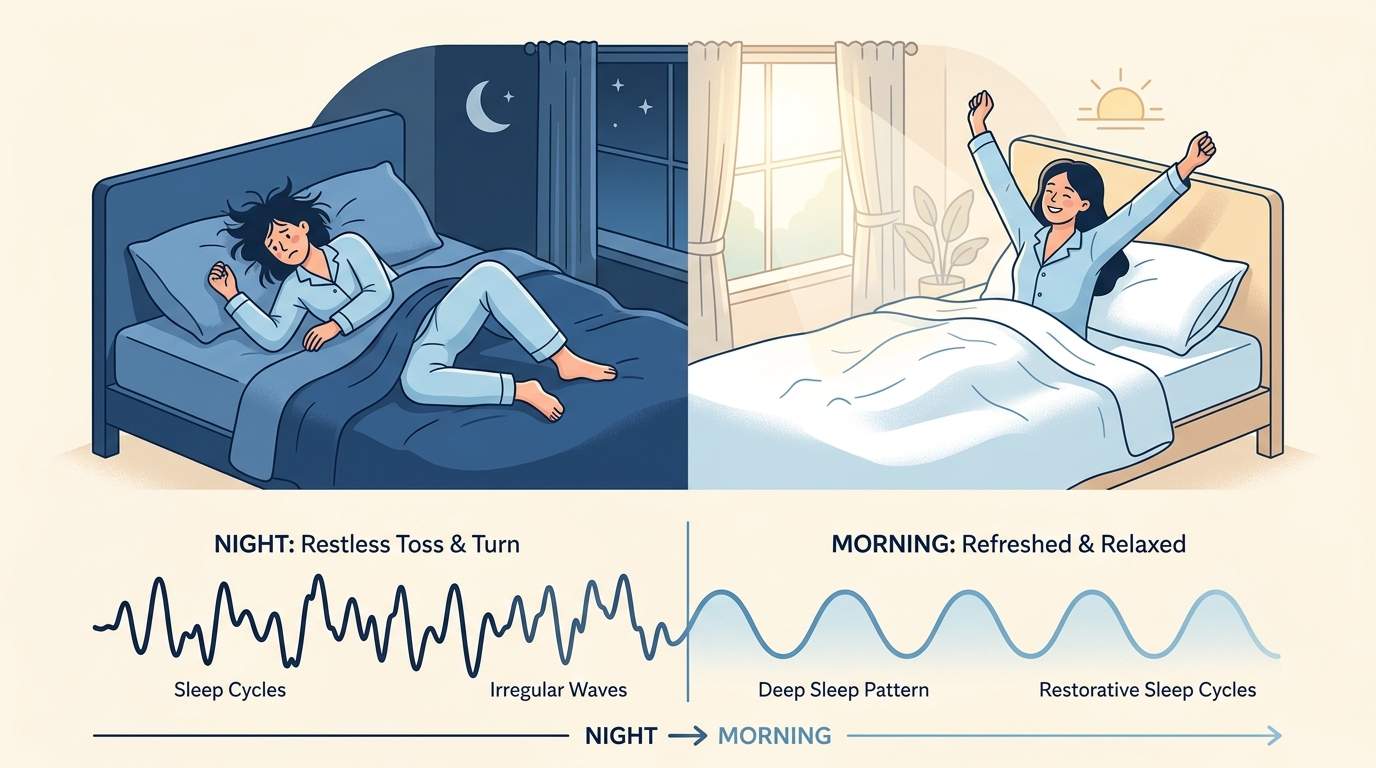
Cognitive Challenge and Social Vitality: Engage continuously in novel, complex learning (e.g., new skills, languages, or hobbies) to build and maintain cognitive reserve. Foster rich, meaningful social connections, as isolation is a potent risk factor. Prioritize sleep hygiene, as deep sleep is when the brain clears metabolic waste.
From Awareness to Empowerment: Redefining the Narrative on Women's Brain Health
The narrative surrounding Alzheimer's risk factors for women is shifting from passive acceptance to active empowerment. It calls for viewing menopause as a neurological checkpoint requiring management, valuing caregiving labor while mitigating its health costs, and championing lifelong education and complex engagement for women. By integrating a sophisticated understanding of the hormonal impact on cognition with a steadfast commitment to mitigating caregiver stress and dementia risk through robust brain health strategies, women can powerfully influence their cognitive trajectory and redefine what it means to age with a resilient mind.
FAQs
Q: If Alzheimer's runs in my family, is my fate sealed, especially as a woman?
A: Absolutely not. While genetics like the APOE-e4 allele increase statistical risk, they do not determine destiny. This is especially true for the complex, late-onset form of Alzheimer's. Your genes load the gun, but lifestyle and environment pull the trigger. By aggressively focusing on the modifiable Alzheimer's risk factors for women—especially cardiovascular health, stress management, and cognitive engagement—you can build substantial resilience and potentially delay onset for many years, even in the presence of genetic risk. Proactive women's dementia prevention strategies are profoundly meaningful.
Q: I'm in my 40s/50s and experiencing "menopause brain." Are these memory lapses an early sign of dementia?
A: The subjective cognitive changes often reported during perimenopause are typically distinct from the progressive memory loss of dementia. "Menopause brain" usually involves episodic lapses in focus, word retrieval, or multitasking—often frustrating but not disabling. It is largely linked to the brain adjusting to fluctuating hormones and sleep disruption. In contrast, early Alzheimer's involves consistent, worsening forgetfulness that disrupts daily life, like getting lost in familiar places or repeatedly asking the same question. If you are concerned, tracking your symptoms in a journal for stress management and discussing them with a healthcare provider can provide clarity and peace of mind.