In the quiet hours of the night, when the kinetic energy of the modern world finally dissipates, a complex biological symphony begins. Most of us view sleep as a simple "off switch"—a period of inactivity required to fuel the following day. However, through the lens of a researcher, sleep reveals itself not as a void, but as a highly structured, resource-intensive state of physiological maintenance. It is the only time the brain’s glymphatic system actively flushes out metabolic waste, effectively "washing" the neural pathways. To ignore the quality of this rest is to ignore the very foundation of cognitive and physical entropy.
- 1、Understanding the Circadian Rhythm Regulation and Biological Pacing
- 2、Scientific Sleep Hygiene Science for Environmental Optimization
- 3、Deep Sleep Optimization and the Mechanics of Neural Repair
- 4、Managing Cortisol and Sleep Cycles in a High-Stress Society
- 5、The Human Element of Rest and Empathetic Self-Correction
- 6、FAQs
As we navigate an era defined by constant connectivity, we have inadvertently declared war on our internal clocks. We treat sleep as a luxury that can be traded for productivity, yet the data suggests this is a losing economic bargain. To reclaim our health, we must move beyond the surface-level advice of "getting eight hours" and instead investigate the structural mechanics of how we rest.
Understanding the Circadian Rhythm Regulation and Biological Pacing
The cornerstone of human vitality is the circadian rhythm, an internal 24-hour clock dictated by the suprachiasmatic nucleus in the brain. This system is sensitive to environmental cues, primarily light. When we expose ourselves to high-intensity blue light late at night, we are essentially sending a "midday" signal to a system trying to prepare for "midnight."
The Role of Melatonin and Light Exposure
Melatonin is often misunderstood as a "sleep sedative," but in biological terms, it functions more like a "vampire hormone"—it only emerges in the dark to signal the start of the biological night. According to a study published in the Journal of Clinical Endocrinology & Metabolism, exposure to room light before bedtime suppressed melatonin levels by more than 50% in 99% of participants. This suppression delays the onset of physiological repair, leaving the body in a state of perpetual "jet lag" without ever leaving the house.
Scientific Sleep Hygiene Science for Environmental Optimization
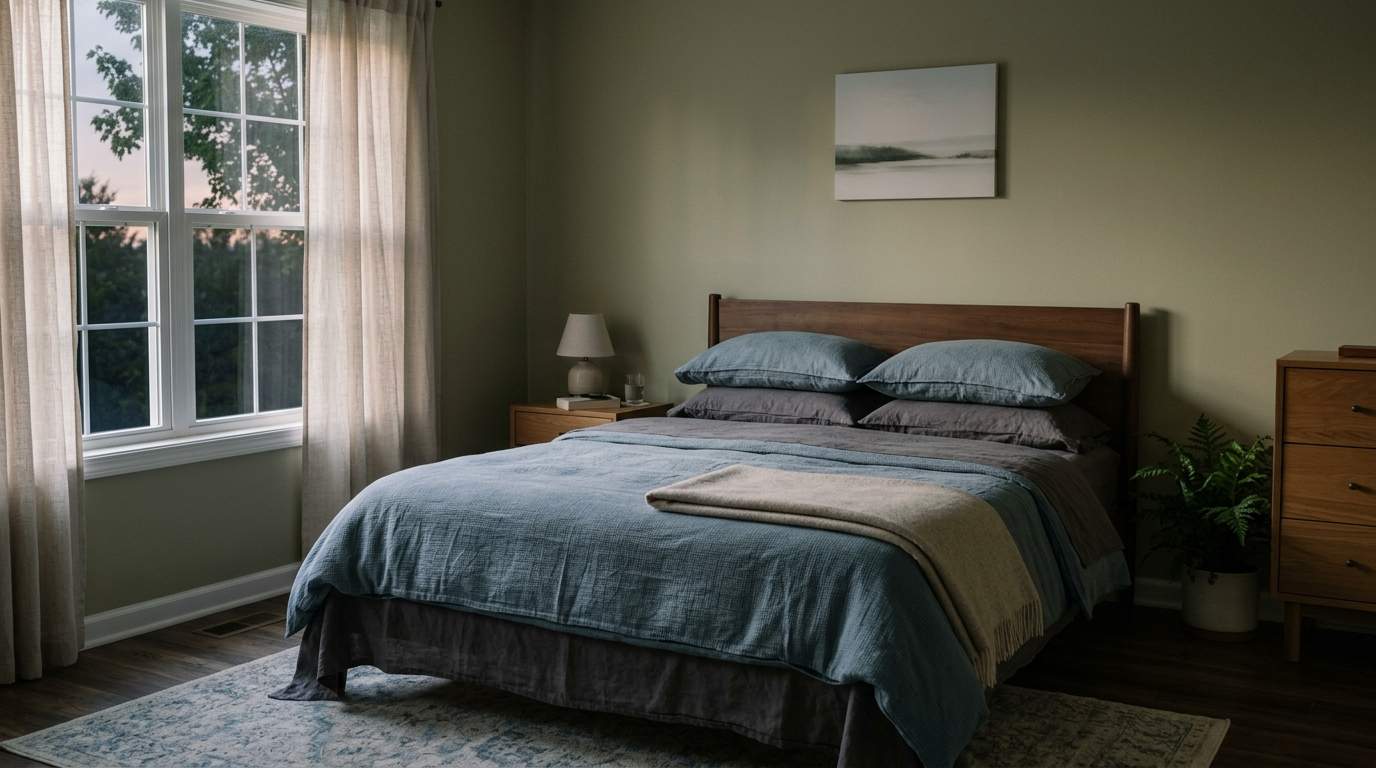
If we view the bedroom as a laboratory for recovery, we must control the variables. Sleep hygiene is not merely about comfort; it is about minimizing sensory input to allow the nervous system to shift from a sympathetic (fight or flight) state to a parasympathetic (rest and digest) state.
Thermal Regulation and the Core Temperature Drop
One of the most overlooked triggers for deep sleep is the drop in core body temperature. For the brain to initiate the sleep cycle, the body's internal temperature must decrease by approximately 1 to 2 degrees Celsius. A study from the University of South Australia suggests that insomnia is frequently linked to poor body temperature regulation. Maintaining a room temperature of approximately 18°C (65°F) acts as a thermal catalyst, signaling to the brain that it is time to transition into a state of metabolic conservation.
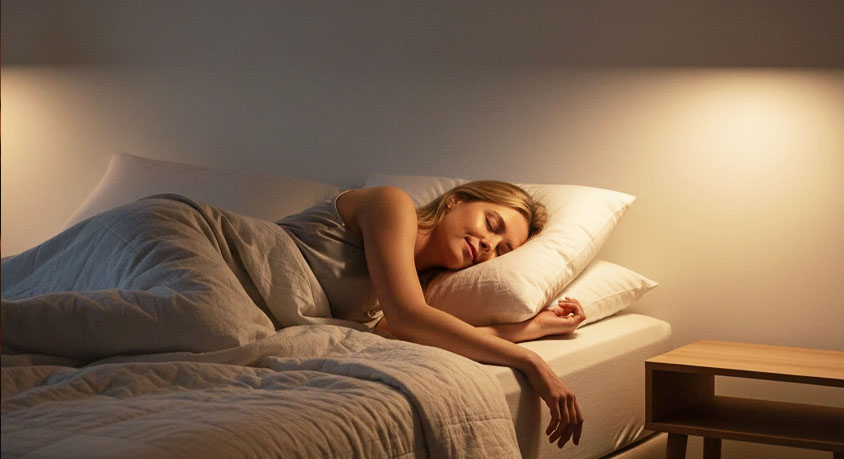
Deep Sleep Optimization and the Mechanics of Neural Repair
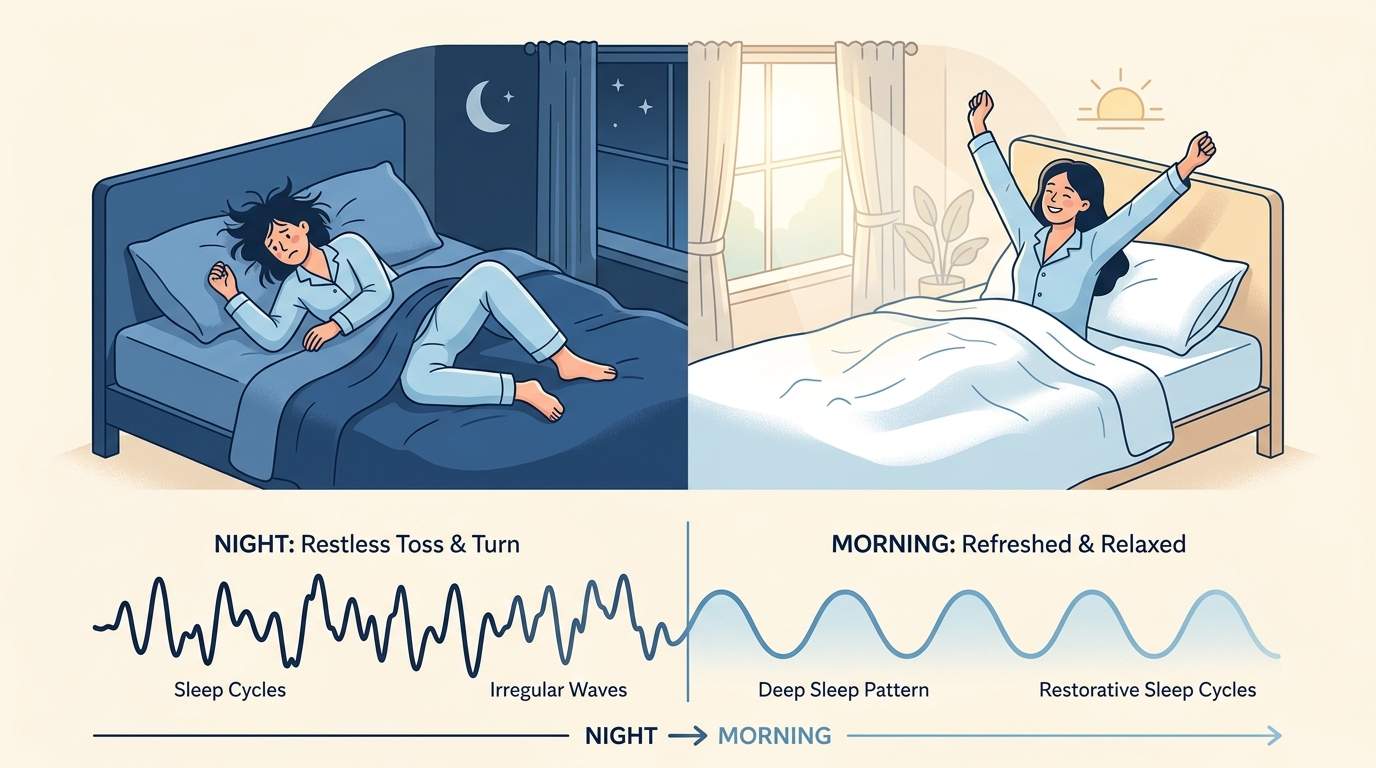
Sleep is divided into distinct stages, but "Deep Sleep" (Slow Wave Sleep) is where the most significant physical restoration occurs. During this phase, the pituitary gland releases a pulse of growth hormone, which is essential for tissue repair and immune function.
The Glymphatic System and Cognitive Longevity
Research from the University of Rochester Medical Center has highlighted the "Glymphatic System," a waste clearance pathway that becomes ten times more active during deep sleep than during wakefulness. It clears out neurotoxic waste products, such as beta-amyloid, which are associated with cognitive decline. When we prioritize the depth of our sleep over the sheer quantity, we are effectively investing in our long-term neurological "real estate."
Managing Cortisol and Sleep Cycles in a High-Stress Society
There is a profound irony in the way we approach stress; we stay awake worrying about tasks, yet that lack of sleep increases the very stress hormones that make those tasks difficult. Cortisol, our primary stress hormone, operates on an inverse relationship with sleep.
The Midnight Cortisol Spike
Under ideal conditions, cortisol should be at its lowest around midnight. However, chronic stress and late-night digital stimulation can cause a "blunted" cortisol rhythm. This leads to the "wired but tired" phenomenon, where your body is exhausted but your brain remains hyper-vigilant. Breaking this cycle requires a cognitive "buffer zone"—at least 60 minutes of non-digital activity before bed—to allow cortisol levels to naturally taper, preventing the dreaded 3:00 AM wake-up call.
The Human Element of Rest and Empathetic Self-Correction
It is easy to get lost in the data and feel like a failing machine when sleep doesn't come easily. But we must remember that the body is not a computer you can simply force-quit. There is a deep, human vulnerability in the act of sleeping; it requires a feeling of safety and surrender.
If you find yourself staring at the ceiling, do not treat your body as an adversary. Often, the anxiety of "not sleeping" becomes the primary barrier to the sleep itself. Acknowledge the day's burdens, understand that your body wants to rest as much as you do, and give yourself permission to be unproductive. Compassion for one's own physiological limits is often the first step toward true recovery. We are not just biological units to be optimized; we are living beings that require gentleness and rhythm to thrive.
FAQs
Q: Why do I feel exhausted even after sleeping for eight hours?
A: Sleep quantity does not always equate to sleep quality. You may be spending enough time in bed, but if your sleep is fragmented by noise, light, or alcohol consumption, you may be missing out on "Deep Sleep" and "REM" stages. Alcohol, for instance, is a potent REM-sleep suppressant; while it may help you fall asleep faster, it prevents the brain from entering the restorative stages needed for cognitive clarity.
Q: How long does it take to reset a disrupted sleep-wake cycle?
A: The body’s internal clock is resilient but slow to shift. Generally, it takes about one day of adjustment for every hour of time-zone shift or significant schedule change. Consistency is the most powerful tool here. By waking up at the same time every morning (even on weekends) and seeking immediate sunlight exposure, you can "anchor" your circadian rhythm and see significant improvements in sleep onset within seven to ten days.
Q: Is a nap during the day beneficial or harmful for nighttime rest?
A: Napping is a double-edged sword. A "power nap" of 15 to 20 minutes can provide a temporary boost in alertness without entering deep sleep. However, long naps (over 60 minutes) or naps taken late in the evening can deplete your "sleep pressure"—the biological accumulation of adenosine that helps you fall asleep at night. If you struggle with insomnia, it is generally best to avoid daytime napping to ensure your sleep drive is at its peak when you reach your pillow.