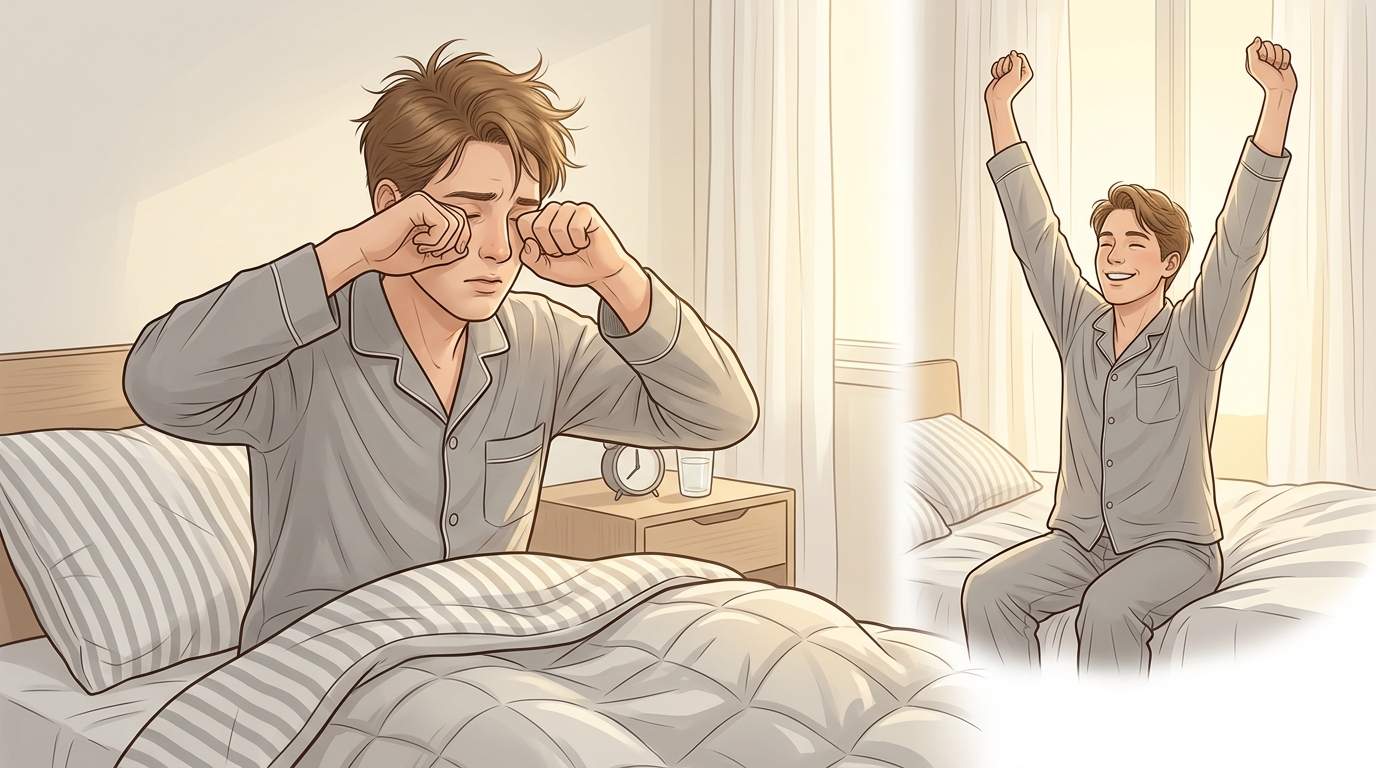
Picture this: you've set your alarm for a solid eight hours, climbed into bed exhausted from a long day, and yet the next morning hits like a fog—eyes heavy, mind sluggish, coffee barely cutting through the haze. It's a routine many of us know too well, especially in our always-on world where burnout feels like the norm. If you're nodding along, you're not alone, and it's not a personal failing. Let's peel back the layers on why those full nights still leave you drained, revealing the real mechanics at play and how small shifts can reclaim your mornings.
E.g. :You Avoid Sunscreen to Get Enough Vitamin D – Here’s Why That’s a False Trade-Off
- 1、Poor Sleep Quality: Why Hours Alone Fall Short
- 2、Sleep Inertia: The Groggy Morning Hangover Explained
- 3、Circadian Rhythm Disruption: Your Internal Clock Out of Sync
- 4、Sleep Hygiene Habits That Secretly Sabotage Rest
- 5、Proven Steps to Improve Sleep Quality Tonight
- 6、Building Lasting Energy: Beyond Quick Fixes
- 7、FAQs
Poor Sleep Quality: Why Hours Alone Fall Short
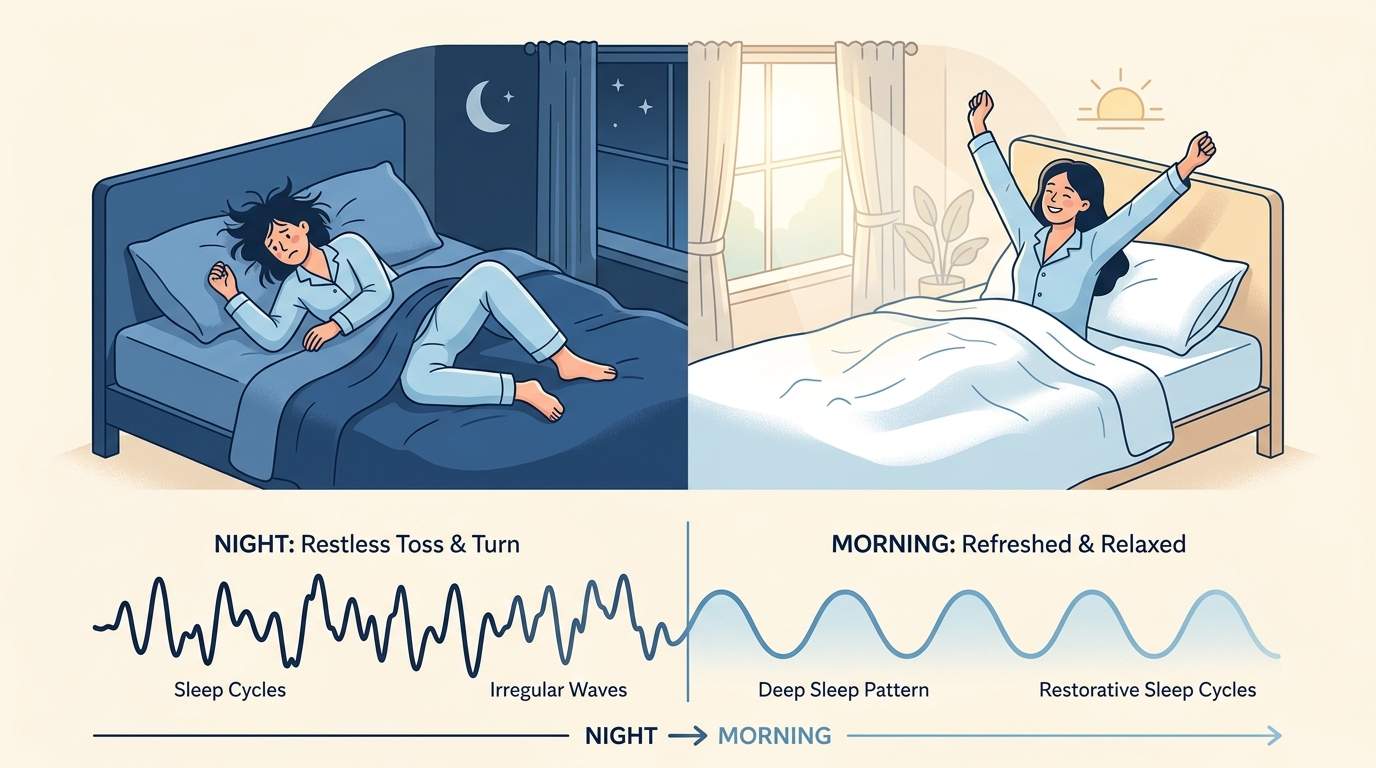
We often fixate on clocking in those recommended seven to nine hours, but duration is only half the story. Poor sleep quality means your rest isn't restorative, leaving you with that lingering fatigue. According to the Centers for Disease Control and Prevention (CDC), about one in three U.S. adults reports insufficient sleep, but studies from the National Sleep Foundation show that even those hitting eight hours frequently wake feeling unrested if quality dips.
Think of sleep like charging a battery: plugging in for hours won't help if the connection is faulty. Disruptions fragment your rest, preventing full recharges. This isn't about willpower—it's biology. Challenging a common belief: does forcing an earlier bedtime guarantee better sleep? Not always, as overriding your natural rhythm can backfire. And is alcohol a harmless wind-down? It might knock you out initially but shreds deeper recovery stages later.
Sleep Inertia: The Groggy Morning Hangover Explained
Ever stumble out of bed feeling like you're still dreaming, moving in slow motion for what feels like hours? That's sleep inertia, the transitional fog between sleep and wakefulness that can last 15-60 minutes—or longer if your cycles are off. Research from the American Academy of Sleep Medicine indicates sleep inertia hits hardest when you're yanked from deep sleep phases, impairing reaction times by up to 50% in some cases, akin to mild intoxication.
What Triggers Sleep Inertia
Alarm clocks are a prime suspect, jolting you mid-cycle rather than at a natural endpoint. A study in Sleep Medicine Reviews (2020) found consistent wake-ups during light sleep phases cut inertia by 30%. Your body craves rhythm, not abrupt interruptions.
I remember a reader sharing how her high-stress job left her glued to her phone until midnight, only to battle that zombie-like start each day. Validating that struggle: it's exhausting, but understanding inertia empowers you to tweak your setup for smoother launches.
Circadian Rhythm Disruption: Your Internal Clock Out of Sync
Your circadian rhythm, that 24-hour body clock governed by the suprachiasmatic nucleus in your brain, dictates when you feel alert or sleepy. Harvard Medical School research shows artificial light exposure after sunset suppresses melatonin by up to 50%, shifting this rhythm and causing "social jet lag"—weekend lie-ins that clash with weekday routines.
Questioning consensus: why do night owls swear by late nights, yet feel perpetually tired? Genetics play a role; chronotypes vary, per a 2019 Nature Communications study where 50% of people are neither strict larks nor owls. And does caffeine wear off harmlessly? It lingers 6-8 hours, blocking adenosine receptors and delaying deep sleep onset.
Aligning with your rhythm isn't rigid—it's about consistency. One client I advised, a shift worker, synced dim lights and steady meal times, reporting 40% less daytime drowsiness within weeks. You've got this; small harmonies rebuild energy.
Resetting Your Circadian Rhythm Daily
Morning sunlight exposure (10-30 minutes) boosts serotonin, per National Institutes of Health (NIH) data. Evening routines dimming lights signal shutdown, closing the loop from chaos to calm.
Sleep Hygiene Habits That Secretly Sabotage Rest
Sleep hygiene—the daily practices supporting quality rest—often gets overlooked amid busier lives. The Sleep Health Foundation notes poor habits contribute to 70% of insomnia cases. Screens emit blue light mimicking daylight, tricking your brain; a University of Pennsylvania study found limiting use an hour before bed improved sleep efficiency by 20%.
Blue Light and Bedroom Environment Fixes
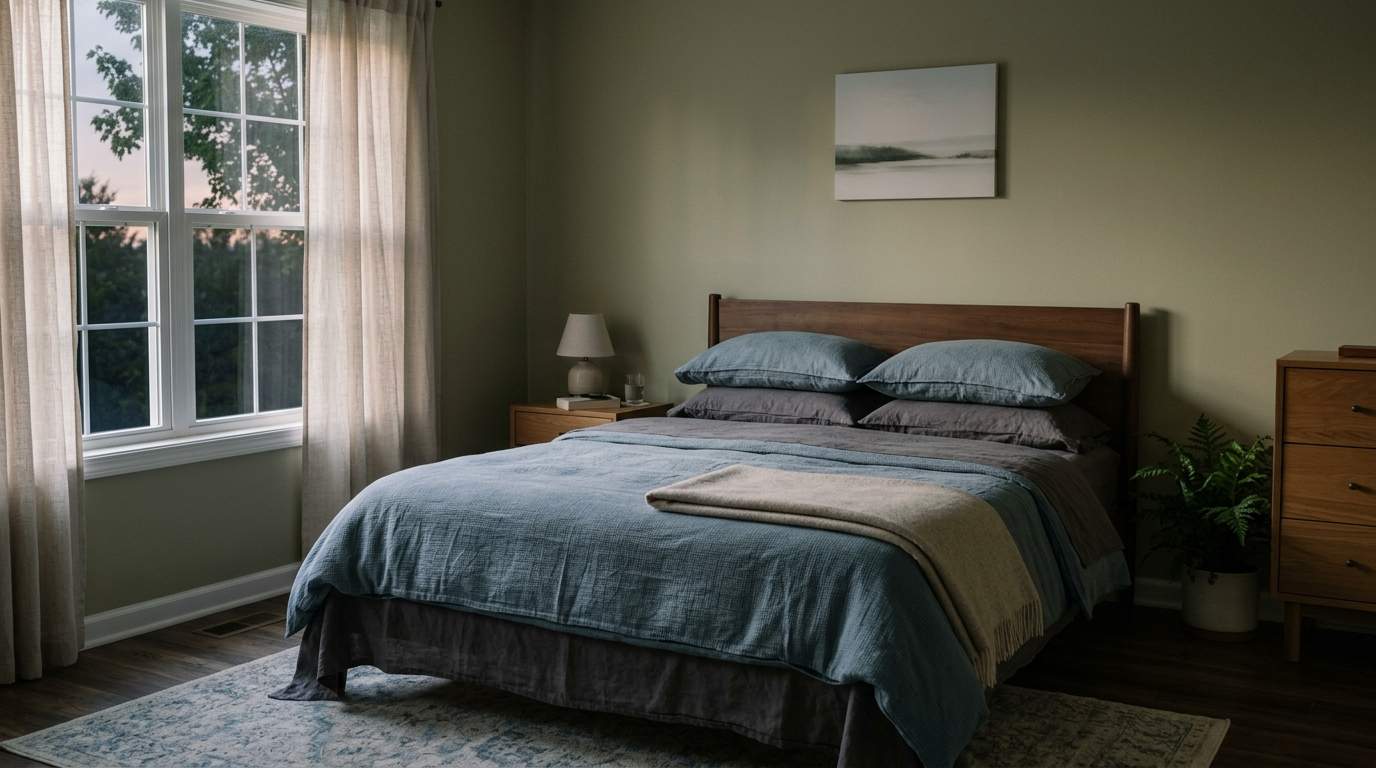
Beyond screens, clutter or temperatures above 68°F (20°C) fragment sleep—optimal coolness promotes melatonin, as per NIH guidelines. Challenge: is a big meal before bed disastrous? It diverts blood to digestion, reducing sleep depth by 25%, according to Journal of Clinical Sleep Medicine.
Empathy here: life isn't perfect; kids, pets, or worries intrude. Start with one change, like a pre-bed wind-down ritual—reading or stretching—to build momentum. It's compassionate self-care, not perfection.
Proven Steps to Improve Sleep Quality Tonight
Ready for action? Build a logic closed loop: assess, adjust, track. First, audit your night—journal wake-ups or use a simple tracker. Aim for cycle-syncing alarms (apps wake you in light phases).
Data-backed tweaks: consistent sleep schedules stabilize rhythms (CDC recommendation). Light exercise earlier in the day enhances deep sleep by 15-20%, per Sleep journal meta-analysis. Herbal teas (non-caffeinated) or magnesium-rich foods like bananas support relaxation without meds.
Long-term, this compounds: a year-long NIH study showed hygiene improvements slashed fatigue reports by 35%. You're investing in vitality, one night at a time.
Building Lasting Energy: Beyond Quick Fixes
Sustained poor sleep quality risks more—CDC links chronic disruption to 40% higher heart disease odds and cognitive dips mimicking aging. But reversal is possible. Integrate habits into lifestyle: prioritize protein-balanced dinners for stable blood sugar, avoiding crashes.
A story to illustrate: Tom, a 45-year-old dad, chased more hours but ignored his snoring (mild apnea indicator). Hygiene shifts plus doctor check revealed fixable issues; now he greets mornings energized. Your journey mirrors this—patience yields profound shifts.
Prioritize yourself; feeling rested transforms everything from work focus to joy in simple moments.
FAQs
Q: How long does it take to notice improvements in sleep quality?
A: Most people see changes within 1-2 weeks with consistent sleep hygiene practices, per National Sleep Foundation studies, though full circadian realignment may take 4-6 weeks.
Q: Can stress alone cause waking up tired after 8 hours?
A: Stress elevates cortisol, fragmenting sleep cycles and worsening sleep inertia, but it's often compounded by habits like irregular schedules—addressing both yields best results, as shown in American Psychological Association research.
Q: Is 8 hours ideal for everyone?
A: No, individual needs range 7-9 hours based on age and genetics; quality trumps quantity, with older adults often thriving on slightly less if cycles are intact (per NIH guidelines).