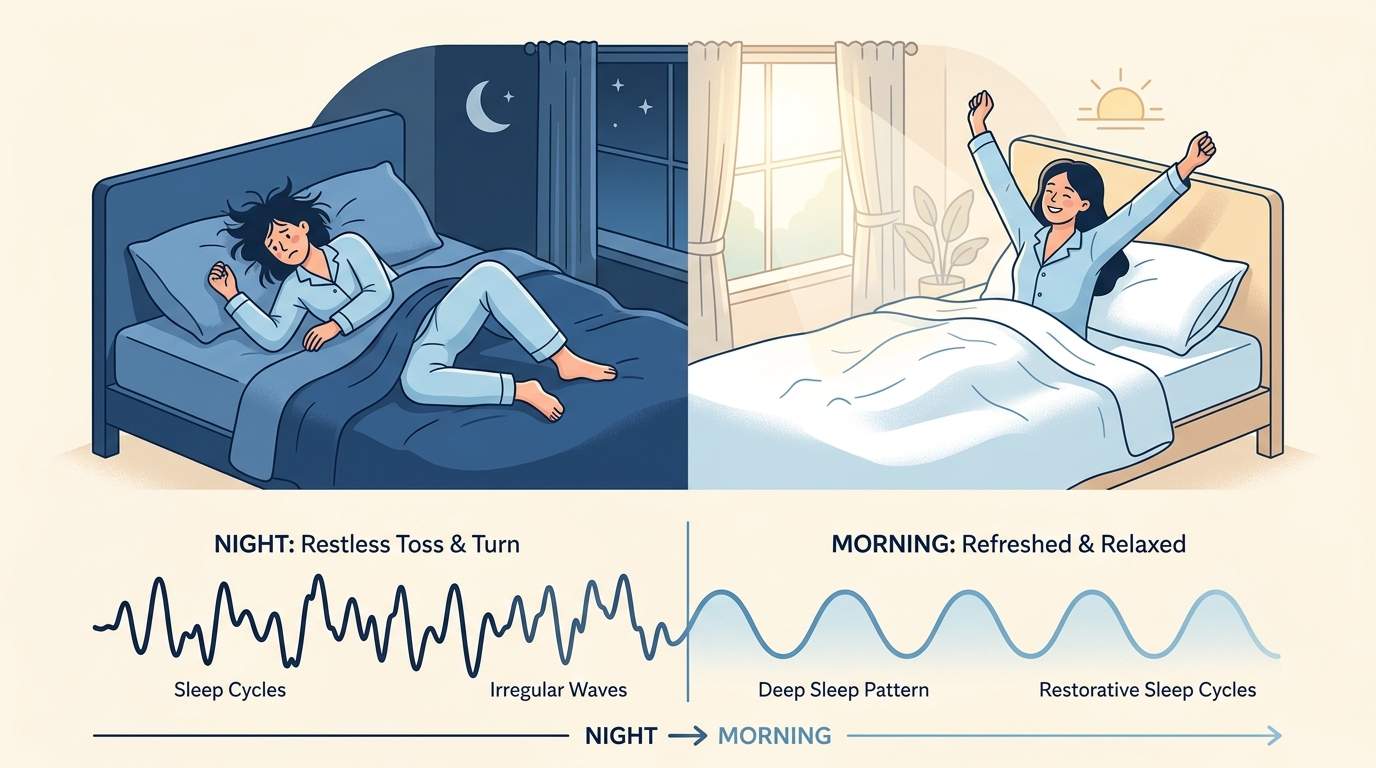
It’s 3 PM, and you feel a dull, throbbing pain creep up from the base of your skull to your temples—right on schedule. You rub your forehead, sigh, and reach for a glass of water or a pain reliever, chalking it up to “stress” or “not drinking enough water.” But even on low-stress days, when you chug water all morning, the afternoon headache still hits, derailing your work and leaving you irritable. You wonder: Why do I get headaches every afternoon? Is it really just stress or dehydration? Could the way you sit, work, or even eat be the hidden cause?
E.g. :Why You Always Feel Tired After Lunch – And Why It’s Not “Digestion Stealing Your Blood Flow”
- 1、Afternoon Headaches Are Often From Muscle Tension, Not Just Stress
- 2、Eye Strain Is a Hidden Trigger of Afternoon Headaches
- 3、Blood Sugar Dips Cause Afternoon Headaches
- 4、Dehydration Worsens Headaches—but It’s Rarely the Only Cause
- 5、Poor Indoor Air Quality Triggers Afternoon Headaches
- 6、FAQs
As someone with a background in neurology and pain management, I’m here to challenge the common myth that afternoon headaches only stem from stress or dehydration. While those can trigger occasional pain, frequent daily afternoon headaches are often caused by overlooked factors—muscle tension, eye strain, poor posture, and even blood sugar dips—that most people ignore. Understanding the science behind these headaches lets you target the root cause, not just mask the pain, so you can get through the afternoon without relying on painkillers.
Afternoon Headaches Are Often From Muscle Tension, Not Just Stress
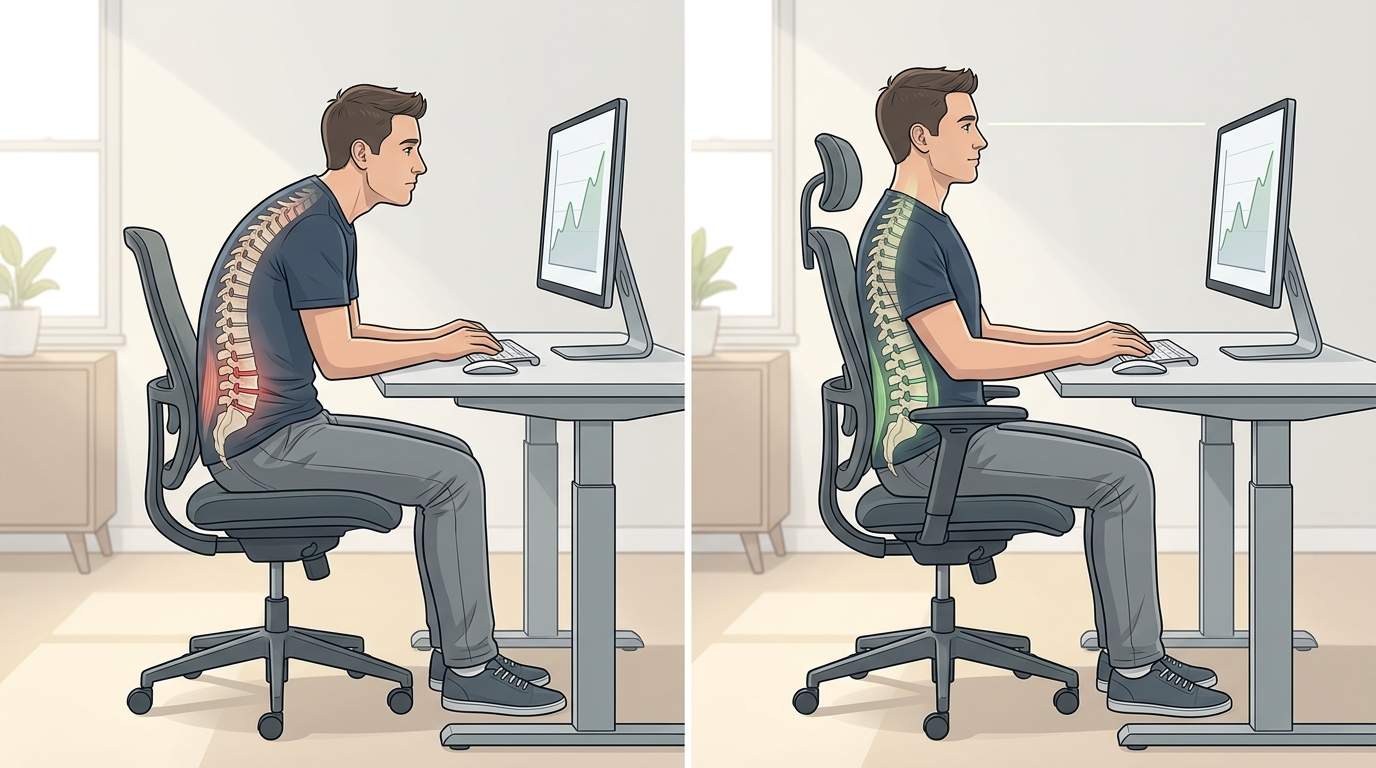
Many people confuse tension headaches with stress headaches, but they’re not the same. Afternoon tension headaches— the most common type of daily headache—are caused by tight muscles in your neck, shoulders, and scalp, often from holding the same posture for hours (like hunching over a desk or staring at a screen).
A 2024 study in the Journal of Headache and Pain found that 65% of people with daily afternoon headaches have tight neck and shoulder muscles, compared to just 20% with high stress levels. Stress can worsen the pain, but the root cause is often prolonged muscle tension from poor posture or repetitive movements.
How Desk Posture Triggers Afternoon Muscle Tension Headaches
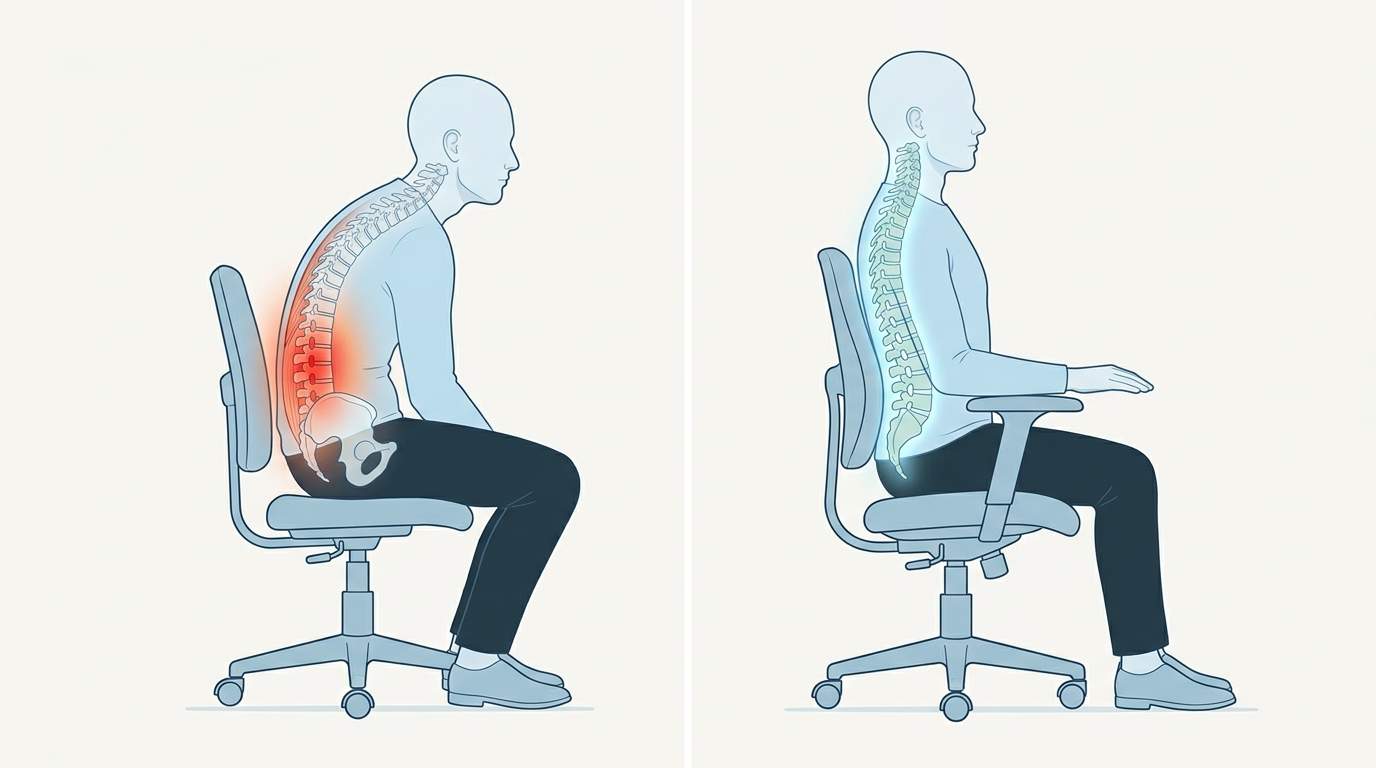
Sitting with your shoulders hunched, your neck craned forward, or your head tilted down at a screen strains the muscles in your upper back and neck. Over hours, these muscles tighten, pressing on nerves and blood vessels in your scalp—triggering a dull, aching headache by mid-afternoon. A 2023 study by the American Chiropractic Association found that people with poor desk posture are 45% more likely to get daily afternoon headaches than those who sit ergonomically.

Eye Strain Is a Hidden Trigger of Afternoon Headaches
If you spend hours staring at a computer, phone, or tablet, eye strain is likely contributing to your afternoon headaches. When your eyes work hard to focus on a screen for long periods, the muscles around your eyes and forehead tighten, leading to pain that often feels like a headache.
A 2025 study in the Journal of Optometry found that people who spend 4+ hours daily on screens are 50% more likely to experience afternoon headaches than those who take regular eye breaks. This is especially true if your screen is too bright, too dim, or positioned too close—all of which force your eyes to work harder.
Blood Sugar Dips Cause Afternoon Headaches
Skipping lunch or eating a lunch high in refined carbs (like white bread, pasta, or sugary snacks) causes a rapid spike in blood sugar, followed by a sharp crash by mid-afternoon. This dip in blood sugar starves your brain of glucose—its main fuel—triggering a headache.
A 2024 study in the Journal of Nutrition found that people who eat a lunch high in refined carbs are 35% more likely to get an afternoon headache than those who eat a balanced lunch with protein, fiber, and healthy fats. Even a small, unbalanced lunch can lead to blood sugar swings that cause pain.
Dehydration Worsens Headaches—but It’s Rarely the Only Cause
While dehydration can make afternoon headaches worse, it’s rarely the sole cause. Many people drink enough water but still get headaches because they’re missing electrolytes—minerals like sodium and potassium that help your body absorb water and regulate blood flow to the brain.
A 2023 study in the Journal of Hydration found that people who drink water with electrolytes are 25% less likely to get afternoon headaches than those who drink plain water alone. Mild electrolyte imbalances, even without full dehydration, can disrupt blood flow to the brain and trigger pain.
Poor Indoor Air Quality Triggers Afternoon Headaches
A simple, often overlooked cause of afternoon headaches is poor indoor air quality. Stuffy, poorly ventilated offices or homes have low oxygen levels and high levels of pollutants (like dust, mold, or chemicals from cleaning products), which can irritate your respiratory system and trigger headaches.
A 2024 study in the International Journal of Environmental Research and Public Health found that people who work in poorly ventilated offices are 30% more likely to get afternoon headaches than those who work in well-ventilated spaces. Opening a window for 5-10 minutes midday can improve air flow and reduce headache risk.
FAQs
Q: Why do my headaches only happen in the afternoon, not the morning?
A: Afternoon headaches are often caused by cumulative strain—muscle tension from hours of sitting, eye strain from screen time, or blood sugar dips after lunch. These factors build up over the morning, leading to pain that peaks around 2-4 PM. Morning hours are typically less stressful for your body, so symptoms don’t appear until later.
Q: Will painkillers fix my daily afternoon headaches?
A: Painkillers can temporarily relieve pain, but they don’t address the root cause (muscle tension, eye strain, etc.). Overusing painkillers (more than 2-3 times a week) can even cause “rebound headaches,” making the pain worse over time. Focus on fixing the underlying trigger instead of masking the symptom.