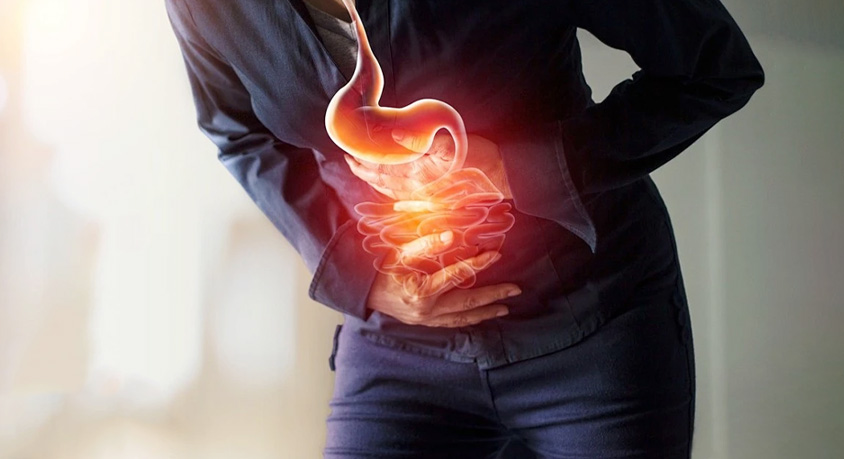
You eat a healthy lunch – maybe a salad with chickpeas, some broccoli, a piece of fruit. By late afternoon, your belly feels tight and swollen. By dinner, you look several months pregnant.
E.g. :Why "Saving Calories" Often Backfires: How Poor Diet Choices Drain Your "Nutrition Capital"
- 1、The “Gas Is Bad” Myth – Everyone Has Gas, but Not Everyone Feels It
- 2、Why Fiber Can Help or Hurt – Depends on Your Gut Speed
- 3、How to Reduce Abdominal Gas Without a Boring Diet
- 4、When Bloating Isn’t Just Gas – Red Flags to Watch For
- 5、FAQs
So you cut out beans, cabbage, and apples. You avoid carbonated drinks. The bloating continues.
Most people blame “gassy foods” for bloating. But here’s what’s rarely explained: healthy people digest those foods without extreme bloating. If you feel painfully distended every single night, the problem isn’t just what you eat. It’s how your gut is moving – or not moving.
The “Gas Is Bad” Myth – Everyone Has Gas, but Not Everyone Feels It
Your intestines produce between 0.5 and 1.5 liters of gas every single day. This is normal. Gas comes from two sources: swallowed air and bacterial fermentation of undigested carbohydrates.
Most of this gas is absorbed into your bloodstream or passed without notice. So why do some people feel painfully bloated while others don’t?
The Real Issue: Gut Motility and Sensation
A 2018 study in the American Journal of Gastroenterology compared people with chronic bloating to healthy controls. Both groups produced similar amounts of intestinal gas after a standard meal. The difference? The bloated group had slower transit times and heightened visceral sensitivity – their guts moved gas more slowly, and their nerves interpreted normal distension as pain or pressure.
This is why cutting out “gassy foods” often fails. You’re reducing gas production, but you’re not fixing the motility or sensitivity problem. Some people even develop anxiety around eating, which further slows digestion through the gut-brain axis.
Why Fiber Can Help or Hurt – Depends on Your Gut Speed
Fiber is supposed to be good for digestion. But for slow-transit guts, too much insoluble fiber (wheat bran, raw leafy greens) can worsen bloating.
Soluble vs. Insoluble Fiber
- Soluble fiber (oats, psyllium, cooked carrots) forms a gel and can actually help regulate transit time.
- Insoluble fiber (raw kale, broccoli stems, whole wheat) adds bulk without softening. If your colon moves slowly, that bulk sits and ferments, producing gas that gets trapped.
A 2020 clinical trial in Clinical Gastroenterology and Hepatology found that people with chronic bloating who switched from high-insoluble to high-soluble fiber sources reduced their bloating severity by 44% over four weeks – without eliminating any specific vegetables.
How to Reduce Abdominal Gas Without a Boring Diet
You don’t need to live on rice and chicken. Try these mechanical and behavioral fixes first.
1. Eat Slower and Chew Thoroughly
Gulping food swallows air. Eating in under 10 minutes doubles swallowed air volume compared to a 20-minute meal. Chewing each bite until it’s liquid reduces the workload on your gut bacteria.
2. Try a Low FODMAP Diet – But Only Temporarily
FODMAPs are fermentable carbohydrates (fructans in wheat, lactose in dairy, fructose in apples). A low FODMAP diet reduces gas production. But staying on it long-term harms gut microbiome diversity. Use it for 2–4 weeks to identify triggers, then reintroduce foods one by one. A 2017 study in Gut showed that 70% of people with bloating improved on low FODMAP, but only 30% needed to avoid all triggers long-term.
3. Move After Meals
A 10-minute walk after dinner increases colon motility by 30% (source: Neurogastroenterology & Motility, 2019). Lying down or sitting slumped compresses the abdomen and slows gas passage.
4. Peppermint Oil Capsules
Enteric-coated peppermint oil relaxes intestinal smooth muscle and reduces visceral pain. A 2021 meta-analysis in BMC Complementary Medicine and Therapies found it significantly reduced bloating and abdominal pain with minimal side effects. Take 30 minutes before meals.
When Bloating Isn’t Just Gas – Red Flags to Watch For
Occasional bloating after large meals is normal. Daily distension that improves overnight is usually dietary or motility related. But some patterns need medical attention.
Signs You Should See a Doctor
- Bloating that does not go away after waking up (morning distension).
- Unexplained weight loss with bloating.
- Blood in stool or family history of ovarian or colon cancer.
In women, persistent bloating that worsens over weeks can be an early sign of ovarian cancer – though this is rare, it’s worth ruling out if you’re over 50 and have new-onset bloating without dietary cause.
FAQs
Q: Does drinking carbonated water cause bloating?
A: Yes, temporarily. The bubbles are swallowed gas. For most people, the gas passes within an hour. If you have slow gut motility, avoid sparkling water before events where you need to feel comfortable. Still water is safer.
Q: Can probiotics help with bloating?
A: It depends on the strain. Bifidobacterium infantis 35624 and Lactobacillus plantarum 299v have shown modest benefit in trials. But some probiotics (especially those containing prebiotic fibers like inulin) can worsen bloating in the first two weeks. Start low and go slow.
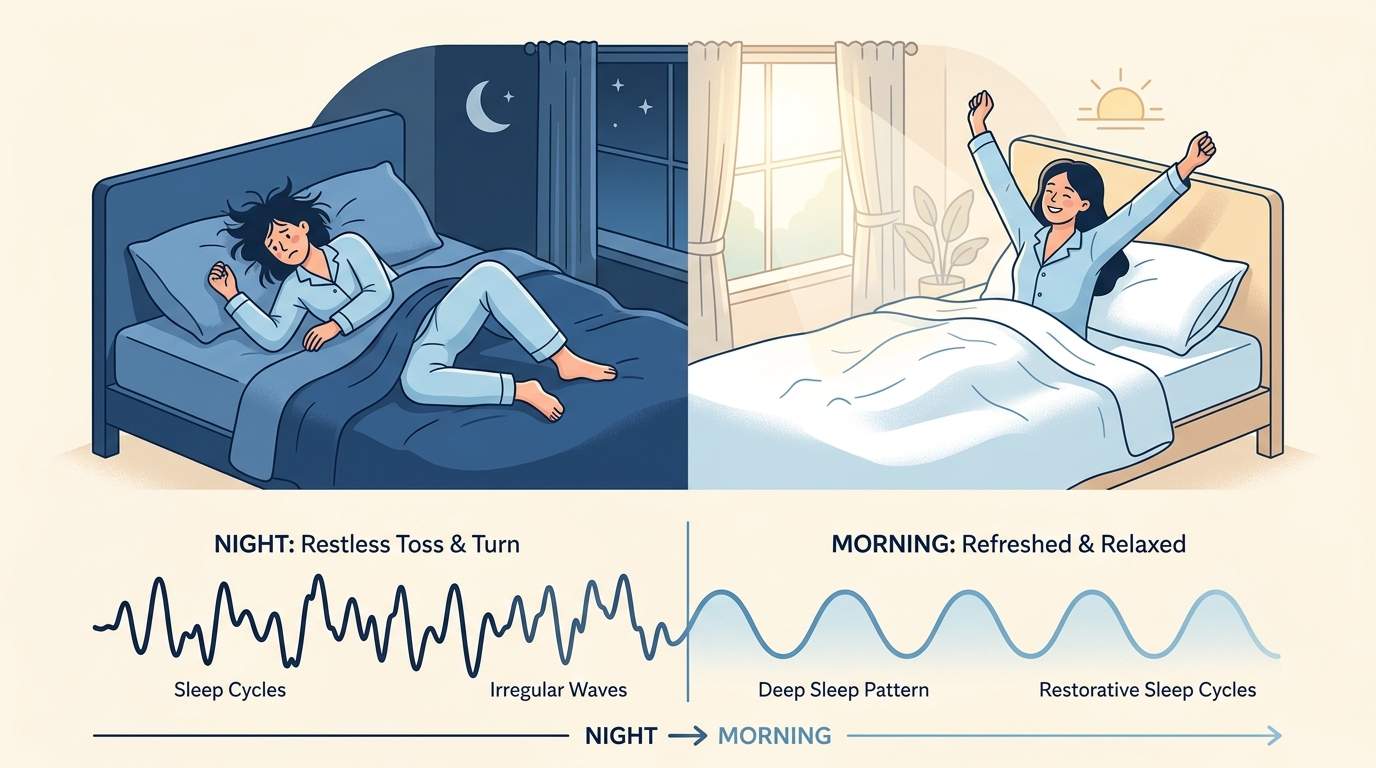
Q: Why do I bloat more at night than in the morning?
A: Gravity and activity. During the day, food moves down and gas accumulates in lower intestines. Overnight, lying flat allows gas to redistribute and be passed. Morning flatness is normal. If you’re still bloated first thing after waking, that’s more concerning for an organic issue.