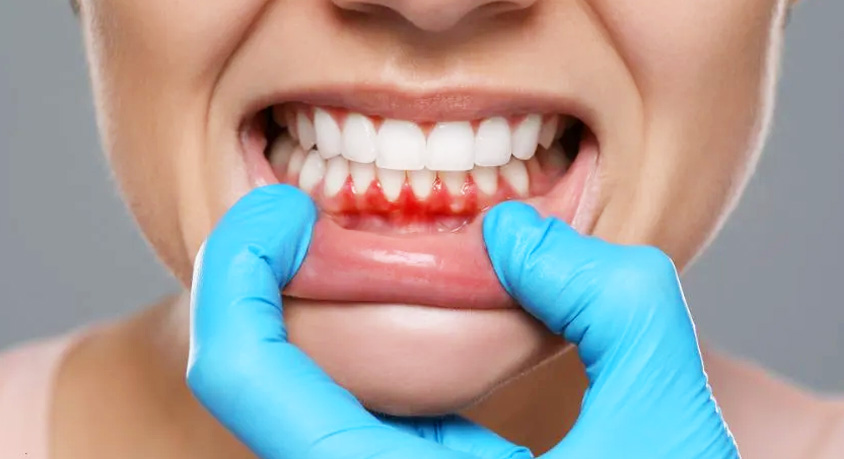
That familiar pink tinge on your toothbrush or in the sink after a routine morning brush can feel like a minor annoyance—something many of us dismiss as “just how my gums are” or blame on brushing a bit too vigorously. Yet for millions of adults worldwide, this everyday occurrence quietly points to something deeper happening at the gumline, where plaque bacteria trigger inflammation that, if left unaddressed, disrupts not only oral comfort but overall well-being.
E.g. :Bad Breath Isn’t Just From Garlic—Fix It Permanently With These Science-Backed Habits
- 1、Why Bleeding Gums When Brushing Happen More Often Than You Realize
- 2、Challenging Everyday Assumptions About Gum Health
- 3、The Biology Behind Gingivitis Symptoms and Gum Inflammation
- 4、How to Stop Bleeding Gums Effectively—Starting With Gentle, Consistent Habits
- 5、When to Seek Professional Support for Gum Disease Prevention
- 6、FAQs
I’ve spoken with countless readers who share the same quiet frustration: they brush faithfully, yet the bleeding persists, leaving them wondering if they’re doing something wrong or if it’s simply inevitable with age or stress. The good news is that bleeding gums when brushing often represent an early, reversible stage rather than an unstoppable decline. Understanding the underlying biology of why gums react this way empowers you to shift from reaction to prevention with confidence.
Why Bleeding Gums When Brushing Happen More Often Than You Realize
Many assume occasional bleeding is harmless or tied solely to aggressive technique. In reality, the primary driver is the accumulation of dental plaque—a sticky bacterial biofilm—at the gumline. When plaque isn’t thoroughly removed, it provokes an immune response: gums become swollen, tender, and prone to bleeding on contact.
According to data from the Centers for Disease Control and Prevention (CDC), nearly 42% of adults aged 30 and older in the United States have some form of periodontal disease, with gingivitis as the earliest and most common manifestation. Gingivitis symptoms frequently include red, swollen gums that bleed easily during brushing or flossing.
This isn’t just a cosmetic concern. Persistent inflammation can progress if ignored, but the body’s natural healing capacity is remarkable once the bacterial load decreases. Many people notice improvement within days to weeks of consistent, gentle care—proof that small, informed changes create measurable shifts.
Common Triggers Beyond Brushing Technique
While technique matters, factors like inconsistent flossing, hormonal fluctuations, certain medications, or even stress can heighten gum sensitivity. Yet plaque remains the central culprit in most cases. Recognizing this helps move past self-blame toward practical action.
Challenging Everyday Assumptions About Gum Health
It’s easy to fall into familiar beliefs that feel intuitive but don’t hold up under closer examination. Here are a few that deserve a second look:
-
Many think “if my gums bleed, I must be brushing too hard, so I should ease up or even skip brushing until it stops.” In truth, healthy gums do not bleed. The bleeding often signals existing inflammation from plaque, not the brushing itself. Continuing gentle, thorough cleaning helps resolve the root issue rather than letting bacteria accumulate further.
-
Another common view holds that “brushing alone is enough for healthy gums.” Toothbrushes reach only about 60% of tooth surfaces; interdental areas require additional cleaning to disrupt plaque where it hides and contributes to gingivitis symptoms.
-
Some believe bleeding gums are “normal with age” or inevitable during times of stress or dietary changes. While lifestyle factors can influence susceptibility, the core mechanism—bacterial plaque triggering inflammation—can be managed effectively at any stage through targeted habits.
These assumptions persist because the early signs feel subtle and reversible, yet they quietly compound over time.
The Biology Behind Gingivitis Symptoms and Gum Inflammation
Gums are delicate soft tissue anchored around teeth. Plaque bacteria release toxins that irritate this tissue, prompting blood vessels to dilate and immune cells to rush in—an inflammatory response designed for protection but problematic when chronic.
In gingivitis, this process remains confined to the gums and is fully reversible. Studies show that when plaque is consistently removed, gingival bleeding indices can drop significantly within weeks. One analysis found that proper daily interdental cleaning, combined with brushing, reduces signs of inflammation more effectively than brushing alone.
If unchecked, the inflammation can deepen, separating gums from teeth and forming pockets—setting the stage for more advanced concerns. The encouraging reality is that consistent daily disruption of plaque interrupts this cycle before it advances.
How to Stop Bleeding Gums Effectively—Starting With Gentle, Consistent Habits
The path forward centers on reducing bacterial load without further irritating sensitive tissue. Here’s a logical, evidence-based approach:
Switch to a soft-bristled toothbrush and use gentle, circular motions at a 45-degree angle toward the gumline. Electric options with pressure sensors can help maintain ideal force while improving plaque removal. Replace your toothbrush every three months or sooner if bristles fray.
Incorporate daily flossing or an interdental cleaner. Initial bleeding may occur if you’re new to the routine or have been inconsistent, but regular practice strengthens gums over time. One study observed a 70% reduction in bleeding sites after eight weeks of proper daily flossing technique.
Rinse with warm saltwater (half a teaspoon of salt in eight ounces of warm water) to soothe tissue and reduce bacteria naturally. An antimicrobial mouthwash can provide additional support when used as directed.
Building a Sustainable Routine That Fits Real Life
Consistency matters more than perfection. Aim for two minutes of brushing twice daily and flossing once per day—ideally in the evening when plaque has had time to build. Pair this with hydration and a diet rich in vitamin C and K sources to support tissue resilience, though these complement rather than replace mechanical cleaning.
Many readers describe the relief of seeing less blood after two to three weeks of steady practice. It’s a tangible sign that your efforts are restoring balance.
When to Seek Professional Support for Gum Disease Prevention
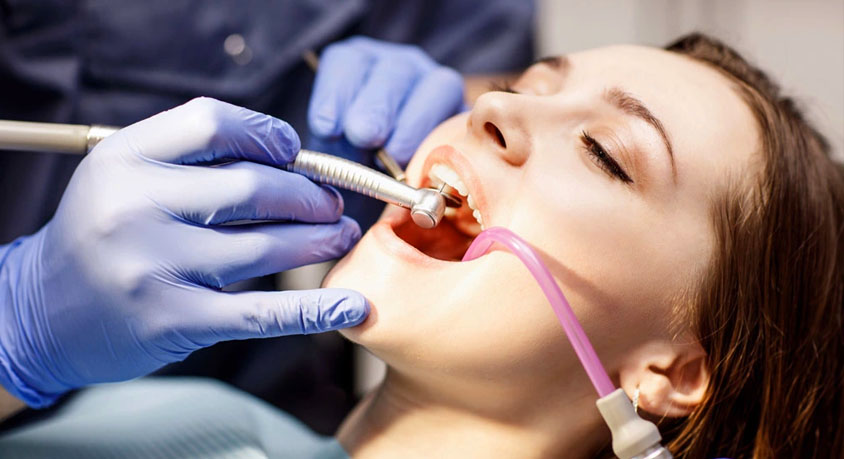
If bleeding persists beyond two weeks despite improved home care, or if you notice swelling, bad breath, or gum recession, consult a dental professional. Early intervention can reverse gingivitis and prevent progression. Regular cleanings remove hardened tartar that brushing cannot address.
Remember, seeking help isn’t a sign of failure—it’s a proactive step that protects both your smile and broader health, as emerging research links chronic oral inflammation to systemic concerns.
Recognizing Progress and Staying Motivated
Track small wins: fewer pink streaks, firmer-feeling gums, or simply greater confidence during your routine. These shifts reinforce that your daily choices directly influence outcomes.
FAQs
Q: Is bleeding gums when brushing always a sign of serious gum disease?
A: Not necessarily. It most commonly indicates early gingivitis, which is reversible with improved oral hygiene. However, persistent bleeding warrants professional evaluation to rule out advancing issues or other contributing factors.
Q: Should I stop flossing if it makes my gums bleed?
A: No—continue gently but consistently. Initial bleeding often decreases as gums adapt and inflammation reduces. Proper daily flossing helps remove plaque between teeth that brushing misses, supporting long-term gum health.
Q: Can changing my toothbrush alone stop bleeding gums?
A: A soft-bristled toothbrush helps prevent further irritation, but combining it with daily flossing, proper technique, and routine dental check-ups creates the most effective strategy for reducing gingivitis symptoms and promoting healing.