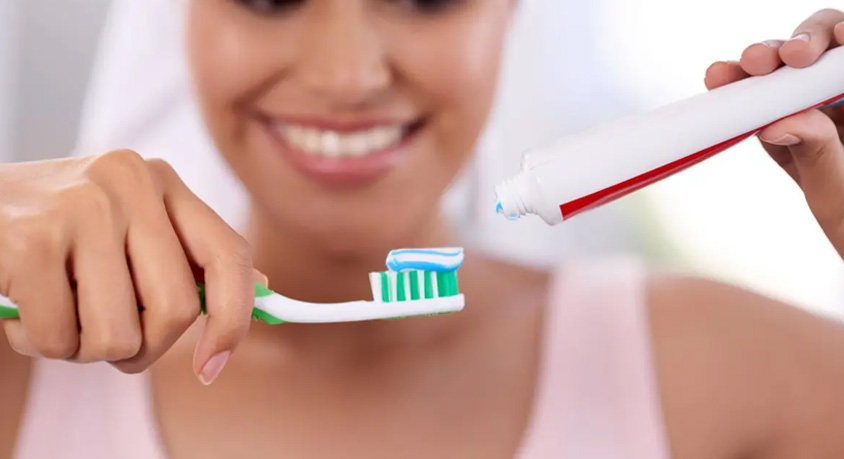
You rinse your toothbrush, squeeze the paste, and start your usual morning routine. Then you spit — and see pink in the sink. It’s not painful, so you brush it off as “maybe I pressed too hard.” Sound familiar?
- 1、Bleeding Gums: The Real Culprit Isn’t Force, It’s Inflammation
- 2、Why Trying to “Be Gentle” Often Makes Bleeding Gums Worse
- 3、The “Vitamin C” Misconception: It’s Not a Deficiency for Most People
- 4、How to Break the Bleeding Cycle: A Step-by-Step Action Plan
- 5、When Bleeding Gums Need Professional Attention: Red Flags to Watch For
- 6、FAQs
If bleeding gums happen more than once a week, your mouth is sending a signal. Most people respond by brushing more gently, switching to a “sensitive” toothpaste, or even avoiding the area. These reactions are understandable, but they often miss the real cause. And worse, they can allow a silent, progressive condition to take hold.
Let’s unpack what actually triggers bleeding gums — and why the solution is almost the opposite of what common sense suggests.
Bleeding Gums: The Real Culprit Isn’t Force, It’s Inflammation
For decades, many people believed that bleeding gums meant you were brushing too hard. This feels logical: if a tissue bleeds when you touch it, you should touch it more softly. But in the mouth, this logic usually fails.
The biological mechanism behind bleeding when brushing
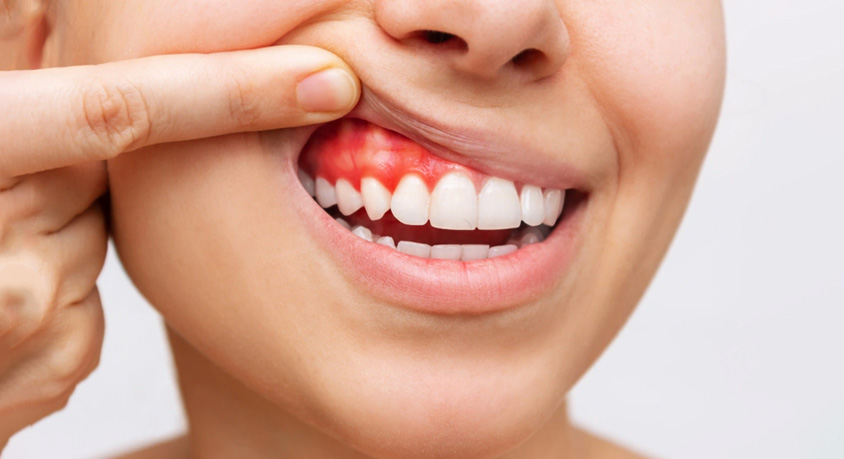
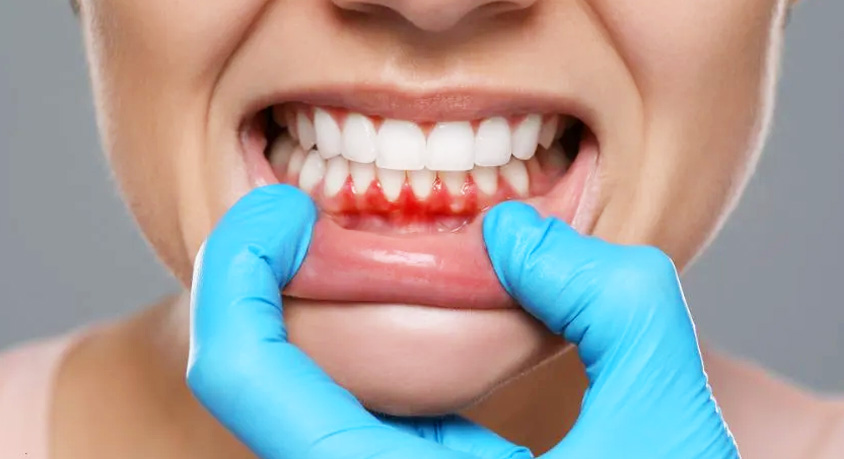
Your gum tissue, or gingiva, is designed to tolerate normal chewing and toothbrushing without bleeding. When it bleeds easily, it’s because the tissue has become chronically inflamed — a condition called gingivitis. Inflamed gums contain dilated blood vessels and a weakened epithelial barrier. Even light, normal brushing can then rupture those fragile vessels.
Data from the Centers for Disease Control and Prevention (CDC) shows that nearly half of adults aged 30 and older (47.2%) have some form of gum disease, with early-stage gingivitis being the most common. Yet only a fraction link their bleeding to inflammation rather than brushing force.
Why Trying to “Be Gentle” Often Makes Bleeding Gums Worse
When you avoid brushing an area that bleeds, you leave behind more dental plaque — the sticky biofilm of bacteria that constantly forms on teeth. Plaque accumulation triggers a stronger immune response, leading to more inflammation, which in turn causes more bleeding. You’ve entered a downward spiral: bleed → avoid → more plaque → more inflammation → more bleeding.
A 2019 clinical review in the Journal of Clinical Periodontology confirmed that the most reliable way to stop bleeding is not to reduce brushing force but to mechanically remove plaque twice daily, including along the gumline. In other words, bleeding gums usually mean you need more cleaning, not less.
The “Vitamin C” Misconception: It’s Not a Deficiency for Most People
Another popular theory is that bleeding gums signal scurvy — a severe vitamin C deficiency. While it’s true that scurvy causes gum bleeding, this condition is extraordinarily rare in developed regions. The average person eating a mixed diet gets more than enough vitamin C to maintain collagen integrity in the gums.
When to consider a nutritional link
Severe vitamin C deficiency only becomes a reasonable suspect when bleeding is accompanied by other signs: easy bruising on the body, slow wound healing, or pinpoint red spots around hair follicles. For the vast majority of people with isolated bleeding gums, the cause is local inflammation from plaque, not a systemic vitamin shortage.
How to Break the Bleeding Cycle: A Step-by-Step Action Plan
The good news: gingivitis is reversible. You don’t need expensive treatments or prescription mouthwashes. You need a consistent, mechanism-based routine.
Daily non-negotiable steps
- Brush along the gumline at a 45-degree angle — not flat against the teeth. Use a soft-bristled brush. Medium or hard bristles can injure the gums without removing more plaque.
- Floss before you brush, not after. Flossing disrupts plaque between teeth where bristles can’t reach. Doing it first allows fluoride from toothpaste to contact those cleaned surfaces.
- Expect temporary increased bleeding. When you start flossing a previously neglected area, you may see more blood for the first 5–7 days. This is not a sign to stop. It’s the inflammatory exudate being mobilized. By day 10–14, bleeding typically stops as the tissue heals.
What about mouthwash?
Therapeutic mouthwashes (with chlorhexidine or essential oils) can help in short-term situations, but they are supplements, not substitutes. No liquid can replace the mechanical disruption of biofilm by floss and brushing.
When Bleeding Gums Need Professional Attention: Red Flags to Watch For
Most bleeding stops within two weeks of disciplined plaque control. If it persists beyond that despite correct brushing and flossing, or if you notice gum recession, loose teeth, or persistent bad breath, you may have progressed beyond gingivitis to periodontitis — an irreversible condition that damages the bone supporting your teeth.
The silent progression
Periodontitis often has no pain until late stages. That’s why routine dental cleanings every 6–12 months remain essential. A dental hygienist can remove calculus (hardened plaque) that you cannot remove at home. In the US, the prevalence of periodontitis rises to 64% among adults aged 65 and older, underscoring how early bleeding ignored becomes long-term bone loss.
FAQs
Q: Is it normal for my gums to bleed when I first start flossing?
A: Yes, completely normal — and expected. If you haven’t flossed regularly, the gum tissue between your teeth is chronically inflamed. When you introduce floss, you mechanically disrupt bacterial colonies and provoke a temporary bleeding response. This typically lasts 5–10 days. As inflammation subsides, the bleeding stops. The key is to persist daily, not to give up.
Q: Can electric toothbrushes prevent bleeding gums better than manual ones?
A: Electric toothbrushes, especially those with pressure sensors and oscillating heads, can make it easier to clean along the gumline without excessive force. However, the tool matters less than the technique. A person using a manual soft-bristled brush correctly can achieve the same plaque removal as an electric brush user. The deciding factor is whether you consistently brush for two full minutes twice a day and angle the bristles toward the gums.
Q: Should I use a toothpaste for “gum health” if my gums bleed?
A: Gum-health toothpastes often contain stannous fluoride or other anti-inflammatory ingredients. They can provide a modest benefit, but they are not substitutes for mechanical cleaning. Think of them as a supporting actor, not the hero. Without flossing and proper brushing technique, no toothpaste will stop the bleeding long-term.