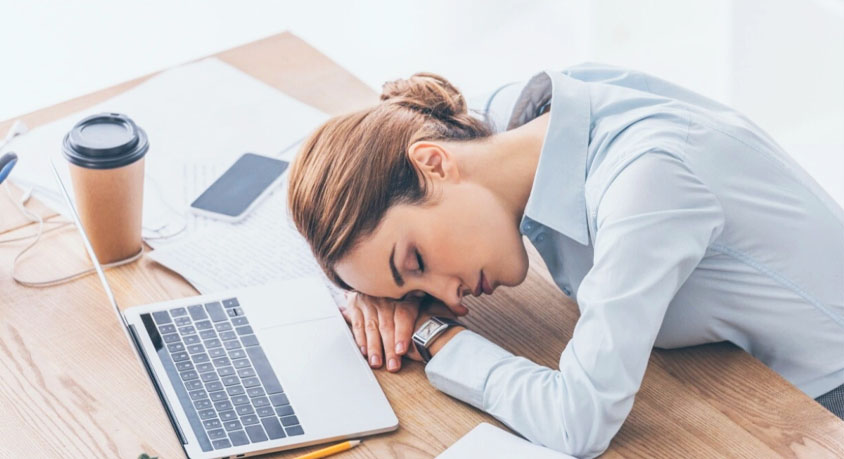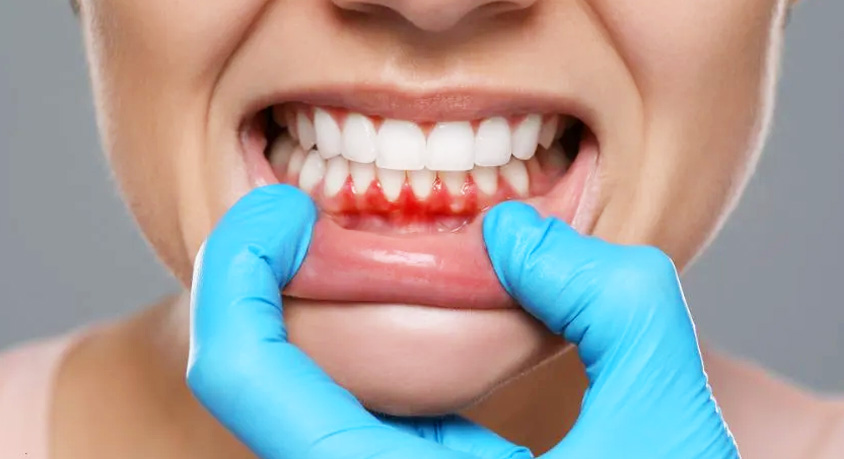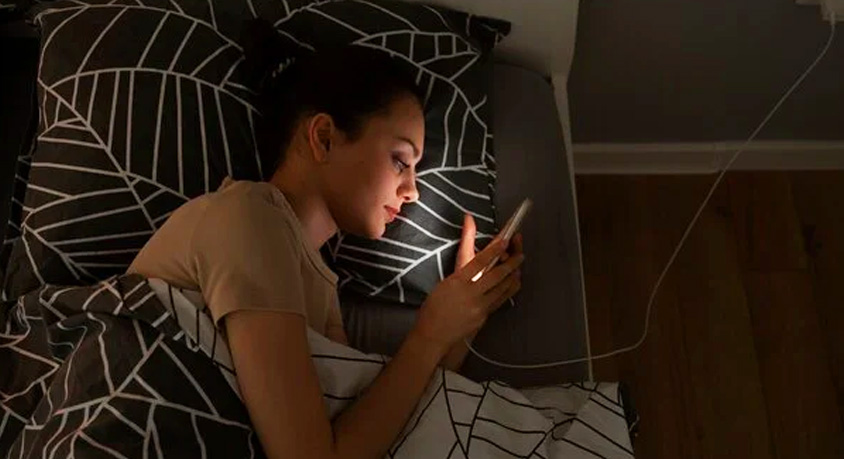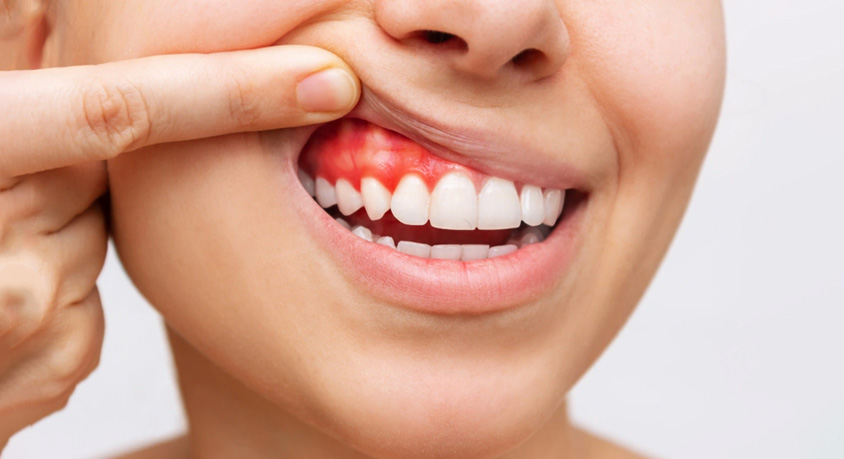
You wake up with a dull ache in your jaw. Your teeth feel sensitive. Your partner mentions, again, that you made a grinding noise in your sleep. You assume it’s stress — work deadlines, family obligations, the usual. So you try meditation, a warm bath, even cutting back on coffee. But your jaw still hurts.
- 1、The “Stress” Explanation Is Too Simple
- 2、The Hidden Culprit: Airway and Breathing During Sleep
- 3、Three Practical Steps That Target the Real Mechanism
- 4、When Professional Help Is Worth It
- 5、FAQs
The common belief is that stress causes nighttime teeth grinding (bruxism). It makes intuitive sense: tension builds during the day, and at night your jaw muscles release it by clenching and grinding. Many dentists and online articles repeat this explanation. But here’s the problem — it’s only half true.
Emerging research suggests that the primary driver of sleep bruxism is not psychological stress but a neurological phenomenon linked to sleep arousal patterns. Once you understand what actually triggers grinding, you can stop blaming yourself and start targeting the real mechanism.
The “Stress” Explanation Is Too Simple
Stress does play a role, but as a trigger, not a cause. A 2020 systematic review in the Journal of Oral Rehabilitation analyzed 22 studies and found that while daily stress correlates with bruxism, it explains less than 30% of cases. Many people under extreme stress never grind their teeth. Others with very calm lives grind severely.
So what’s the missing piece? Sleep bruxism is now classified as a sleep-related movement disorder. It tends to occur during non-REM sleep stage 2, right before deeper sleep, often in response to brief “micro-arousals” — tiny awakenings lasting 3 to 15 seconds that you never consciously notice.
During these micro-arousals, your heart rate spikes, your breathing changes, and your jaw muscles may contract forcefully. Grinding episodes typically happen in clusters throughout the night, each lasting a few seconds. The next morning, you feel the damage: sore muscles, worn enamel, and sometimes headaches.
Why a Mouth Guard Doesn’t “Stop” Grinding
This brings us to a second common misconception: that a night guard stops you from grinding. It doesn’t. A mouth guard (occlusal splint) protects your teeth from further wear and can reduce muscle strain, but it does not reduce the frequency or force of grinding. Think of it like wearing knee pads while kneeling on concrete — you still kneel, you just hurt less.
For many people, this is perfectly fine. Protection is enough. But if you wake up with persistent jaw pain despite wearing a guard, you need to address the underlying arousal pattern, not just the surface symptom.
The Hidden Culprit: Airway and Breathing During Sleep
One of the most overlooked causes of sleep bruxism is something called sleep-disordered breathing — a spectrum that includes snoring, upper airway resistance, and mild obstructive sleep apnea. When your airway narrows during sleep, your brain triggers a micro-arousal to open it. And often, that arousal includes jaw clenching.
A 2016 study in Sleep followed 1,089 participants and found that people with moderate sleep apnea were 1.7 times more likely to report teeth grinding than those without. Treating the airway issue (with positional therapy, oral appliances, or CPAP) often reduces grinding without any direct intervention on the jaw.
If you snore, wake up with a dry mouth, or feel unrested despite sleeping 7–8 hours, ask yourself: could my grinding be my brain’s way of opening my airway? A simple home sleep test or discussion with a sleep dentist can clarify this.
Three Practical Steps That Target the Real Mechanism
You don’t need to eliminate all stress from your life — that’s unrealistic. But you can reduce the frequency of micro-arousals and lower jaw muscle reactivity.
Step 1: Address your sleep position
Sleeping on your back increases airway collapse. Try sleeping on your side. A simple trick: sew a tennis ball into the back of an old t-shirt. Within a few nights, your body learns to avoid back-sleeping.
Step 2: Magnesium before bed
A 2023 pilot trial in Cranio found that 300 mg of magnesium glycinate before bed reduced self-reported bruxism frequency by 38% over four weeks. Magnesium helps relax skeletal muscle and may reduce the intensity of micro-arousals. Avoid magnesium citrate (it can cause loose stools).
Step 3: Jaw awareness exercises
During the day, notice when you clench. Many people hold jaw tension while driving, reading, or concentrating. Train yourself to keep teeth slightly apart and lips closed. This reduces baseline muscle tone, making nighttime episodes less severe.
When Professional Help Is Worth It
If you’ve tried these steps for a month and still wake up with significant jaw pain, tooth sensitivity, or visible wear on your teeth, see a dentist for a custom night guard. Over-the-counter “boil-and-bite” guards are better than nothing, but they often worsen clenching by encouraging chewing-like motions.
Also, if you have any symptoms of sleep apnea — loud snoring, gasping, daytime sleepiness — request a sleep study. Treating the airway can resolve grinding that no mouth guard ever could.
Most importantly, stop blaming your stress level. Night grinding is not a character flaw. It’s a neurological and sometimes respiratory event. And like most bodily events, it responds better to understanding than to guilt.
FAQs
Q: Can children grind their teeth at night, and should I worry?
A: Yes, childhood bruxism is very common — up to 30% of kids grind at night. Most outgrow it by age 12 without any treatment. Unless your child complains of jaw pain or wears down teeth noticeably, no intervention is needed. Avoid night guards for young children unless a pediatric dentist recommends one, as they can alter jaw growth.
Q: Does Botox for jaw grinding really work?
A: Botox (onabotulinumtoxinA) injected into the masseter muscles reduces the force of clenching for about 3–6 months. Studies show it can relieve pain and reduce tooth wear. However, it does not treat the underlying arousal cause, and repeated injections may lead to bone loss in the jaw over years. It’s best reserved for severe cases unresponsive to other treatments.
Q: Is it possible to grind only during the day and not at night?
A: Yes, that’s called awake bruxism, and it’s different from sleep bruxism. Awake bruxism usually involves clenching (not grinding) and is strongly linked to stress, focus, or anxiety. Treatment focuses on habit reversal and jaw relaxation. A simple reminder: every time you see a red object, check if your teeth are touching — then separate them.