
Inflammation has become a ubiquitous term in wellness circles, often portrayed as a singular enemy to be vanquished. But this framing misses a crucial nuance. Acute inflammation—the redness, heat, and swelling from a cut or sprain—is a precise, lifesaving immune response. The true, insidious challenge is a low-grade, systemic simmer known as chronic inflammation diet. This persistent, invisible fire is increasingly linked to a host of modern conditions, from joint discomfort and skin issues to more serious metabolic and neurological concerns. While trendy “superfoods” like turmeric make headlines, the most potent strategy isn’t found in any single spice jar. It is built daily on your plate, through a symphony of nutrients that collectively signal your body toward repair and balance, not constant defense. This is the essence of a true anti inflammatory diet guide.
- 1、Understanding the Fire: The Root Causes of a Chronic Inflammation Diet
- 2、The Four Foundational Pillars of Effective Anti Inflammatory Diet Principles
- 3、Building Your Plate: A Practical Framework for an Inflammation Fighting Meal Plan
- 4、Your Weekly Anti Inflammatory Diet Guide and Recipe Framework
- 5、Beyond the Plate: Synergistic Lifestyle Support for an Anti-Inflammatory Life
- 6、A Sustainable Path to Cellular Calm
- 7、FAQs
Understanding the Fire: The Root Causes of a Chronic Inflammation Diet
Chronic inflammation arises when the immune system’s alert signal fails to turn off. Modern lifestyle drivers are well-established: chronic stress, inadequate sleep, environmental toxins, and, pivotally, dietary patterns high in refined sugars, processed oils, and ultra-processed foods. These elements can disrupt gut barrier integrity (sometimes called “leaky gut”), triggering immune surveillance, and promote an imbalance in inflammatory signaling molecules called cytokines. Adopting an inflammation fighting meal plan directly addresses these dietary triggers, replacing pro-inflammatory inputs with compounds that actively resolve inflammation.
The Four Foundational Pillars of Effective Anti Inflammatory Diet Principles
Moving beyond a list of ingredients, a sustainable approach is built on structural pillars. These anti inflammatory diet principles create a framework for every meal.
1. Prioritize Diverse, Colorful Plant Foods: Aim for a “rainbow” intake, not for aesthetics, but for biochemistry. Different plant pigments represent distinct families of polyphenols and antioxidants—anthocyanins in berries, flavonoids in citrus, sulforaphane in broccoli. Each acts on different inflammatory pathways. Furthermore, the fiber in plants feeds beneficial gut bacteria, which produce short-chain fatty acids like butyrate, potent anti-inflammatory compounds for the body.
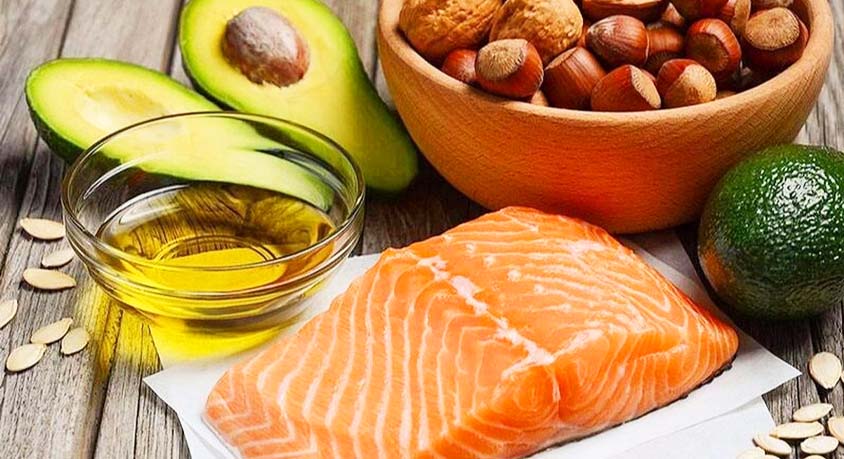
2. Choose Fats Wisely: Fats are not the enemy; the type is everything. The goal is to increase omega-3 fatty acids (from fatty fish, walnuts, flaxseeds, chia seeds) while reducing excess omega-6s from processed vegetable oils. Omega-3s are precursors to specialized pro-resolving mediators that actively quench inflammation. Monounsaturated fats (olive oil, avocado, nuts) are also stellar anti-inflammatory choices.
3. Select Clean, Quality Protein: Opt for lean, unprocessed sources like legumes, fish, poultry, and occasional lean red meat. Processed meats (sausages, bacon, deli meats) often contain advanced glycation end products (AGEs) and preservatives that can fuel inflammatory fires.
4. Minimize Processed Foods and Added Sugars: This is the non-negotiable cleanup. Ultra-processed foods are typically high in refined carbs, unhealthy fats, and additives that disrupt metabolic and immune harmony.
Building Your Plate: A Practical Framework for an Inflammation Fighting Meal Plan
Visualizing your plate simplifies execution. Aim for this balance at main meals:
50% Non-Starchy Vegetables & Low-Glycemic Fruits
Fill half your plate with leafy greens, broccoli, peppers, tomatoes, berries, etc. Using tools like a spiralizer vegetable tool can make consuming more raw or lightly cooked veggies enjoyable and convenient.
25% Quality Protein
A palm-sized portion of fish, tofu, lentils, or chicken.
25% Healthy Complex Carbohydrates or Starchy Vegetables: A fist-sized portion of quinoa, sweet potato, oats, or beans.
Include Healthy Fats: Include a thumb-sized portion of added fat like olive oil dressing, half an avocado, or a sprinkle of seeds.
Your Weekly Anti Inflammatory Diet Guide and Recipe Framework
Consistency is key. Here is a flexible, non-prescriptive weekly framework to inspire your inflammation fighting meal plan.
Breakfast Theme: Focus on fiber and protein. Examples: Overnight oats with chia seeds and berries; a spinach and mushroom omelet; plain Greek yogurt with walnuts and a drizzle of honey.
Lunch & Dinner Themes: Rotate through protein sources and cuisines.
Day 1 (Legume Focus): A large lentil and vegetable soup.
Day 2 (Fish Focus): Baked salmon with a lemon-herb marinade, roasted asparagus, and quinoa.
Day 3 (Plant-Based Bowl): A bowl with brown rice, black beans, roasted sweet potato, salsa, and avocado.
Day 4 (Poultry/Lean Meat): Grilled chicken breast over a massive salad with mixed greens, cherry tomatoes, cucumber, and a vinaigrette.
Day 5 (Leftovers/Simplicity): Utilize glass food storage containers to repurpose previous meals.
Strategic Flavor & Function: Liberally use herbs and spices like ginger, garlic, rosemary, and yes, curcumin anti inflammatory-rich turmeric (always paired with black pepper to enhance absorption). Stay hydrated with water, herbal teas, or infused water using an herb infuser water bottle.
Beyond the Plate: Synergistic Lifestyle Support for an Anti-Inflammatory Life
Diet is the cornerstone, but other factors modulate its effectiveness. Chronic stress elevates cortisol, a pro-inflammatory hormone. Prioritize sleep, as poor sleep increases inflammatory markers. Move your body regularly with moderate exercise, which has a direct anti-inflammatory effect. An anti inflammatory diet works best within a holistic lifestyle that supports metabolic and immune balance.
A Sustainable Path to Cellular Calm
The goal of this anti inflammatory diet guide is not a short-term detox but a long-term culinary shift toward nourishment. It empowers you to use food as information, sending signals of safety and abundance to your cells. By consistently applying these anti inflammatory diet principles, you build a dietary pattern that doesn’t just fight fires but creates an internal environment where chronic inflammation is less likely to ignite in the first place. Start by adding before you subtract—more colors, more herbs, more good fats—and let the cumulative effect guide you toward greater vitality.
FAQs
Q: I hear a lot about turmeric. Is it the most important anti-inflammatory food?
A: Turmeric, and specifically its active compound curcumin anti inflammatory, is a potent natural anti-inflammatory agent with strong scientific backing. However, it is not a “magic bullet.” The power of an anti inflammatory diet lies in the synergistic effect of countless compounds working together across all the best anti inflammatory foods—berries, leafy greens, olive oil, fatty fish, nuts, etc. Relying solely on turmeric while eating a poor overall diet is ineffective. Think of turmeric as a powerful member of a large, essential orchestra, not a solo performer.
Q: How long does it take to see or feel the effects of an anti-inflammatory diet?
A: This is highly individual, depending on your starting point and the consistency of your change. Some people report improvements in energy, digestion, or joint stiffness within a few weeks. For more systemic changes and measurable shifts in inflammatory blood markers (like CRP), it may take several months of consistent adherence. The key is patience and viewing this as a sustainable lifestyle, not a quick fix. Focus on how you feel—improved energy, clearer skin, better digestion, and stabilized mood are all valuable indicators of reduced inflammation.