Imagine a technology that is non-invasive, drug-free, and backed by decades of peer-reviewed research. It does not require a prescription, produces almost no side effects, and can be used at home. This is not a fantasy. It is photobiomodulation—better known as red light therapy. The story begins in the 1960s, when a Hungarian physician discovered that low-level laser light could stimulate hair growth in mice. Decades later, NASA researchers found that red and near-infrared light accelerated wound healing in space, where microgravity impairs tissue repair. Today, a growing body of evidence confirms that specific wavelengths of light (red, around 660 nm, and near-infrared, around 830 nm) penetrate the skin and interact with mitochondria, the power plants of your cells. The result is reduced inflammation, accelerated tissue repair, improved skin quality, and even cognitive benefits. This is not alternative medicine. It is bioenergetic science, and it may be one of the most versatile tools in your wellness arsenal.
E.g. :How Slow Eating Flattens Post-Meal Blood Sugar and Prevents Afternoon Energy Crashes
- 1、The Mitochondrial Mechanism: How Light Becomes Cellular Energy
- 2、Muscle Recovery and Soreness Relief: Evidence from Sports Science
- 3、Skin Health and Collagen Production: Natural Anti-Aging Support
- 4、Brain Repair and Cognitive Function: Light as Neurotherapy
- 5、Integrating Red Light Therapy into a Holistic Wellness Routine
- 6、The Takeaway
- 7、FAQs
The Mitochondrial Mechanism: How Light Becomes Cellular Energy
The core mechanism of red light therapy lies within the mitochondria. The final step of cellular respiration involves an enzyme called cytochrome c oxidase (CCO), which is photoactive. When red and near-infrared photons strike CCO, they dissociate nitric oxide (which inhibits the enzyme) and increase electron transport. This leads to a cascade: more ATP (cellular energy), reduced oxidative stress, and activation of transcription factors that promote cell survival and repair.
The Role of Wavelength and Dose
Not all light is therapeutic. Red light (600-700 nm, especially 660 nm) penetrates skin and superficial tissues. Near-infrared (700-1100 nm, especially 830-850 nm) penetrates deeper, reaching muscle, bone, and even brain tissue. A 2014 study in The Journal of Clinical Investigation demonstrated that near-infrared light applied to the forehead increased cerebral blood flow and oxygen consumption in healthy adults. The dose matters: too little light has no effect; too much can cause oxidative stress. Home devices typically recommend 5-20 minutes per area, 3-5 times weekly.
Muscle Recovery and Soreness Relief: Evidence from Sports Science
One of the most well-documented applications of red light therapy is in athletic recovery. Near-infrared light penetrates muscle tissue, reducing inflammation and accelerating repair.
Clinical Studies on Muscle Soreness
A 2016 meta-analysis in Lasers in Medical Science reviewed 24 randomized controlled trials and concluded that photobiomodulation significantly reduced muscle fatigue, delayed-onset muscle soreness (DOMS), and improved recovery of muscle strength following intense exercise. The effects were dose-dependent and most pronounced when treatment was applied immediately after exercise. A 2019 study on professional soccer players found that pre-exposure to red light before training reduced creatine kinase (a marker of muscle damage) and subjective pain scores compared to placebo.
Practical Application for Athletes and Active Individuals
Use a red light therapy panel on large muscle groups (thighs, calves, back) for 10 minutes immediately after a hard workout. For targeted soreness (e.g., a strained hamstring), a portable infrared device can focus on the specific area. Combine with stretching and hydration for synergistic effects.
Skin Health and Collagen Production: Natural Anti-Aging Support
The skin benefits of red light therapy have been extensively studied. Red and near-infrared light penetrate the dermis, stimulating fibroblasts to produce collagen and elastin, the proteins that keep skin firm and wrinkle-free.
Evidence for Wrinkle Reduction and Wound Healing
A 2014 study in Photomedicine and Laser Surgery treated women with facial wrinkles using red light therapy for 30 sessions over 12 weeks. Independent evaluators noted significant improvements in skin roughness, wrinkle density, and collagen density compared to placebo. A 2017 review in Seminars in Cutaneous Medicine and Surgery concluded that photobiomodulation is effective for acne vulgaris, wound healing, and skin rejuvenation, with minimal adverse effects. Unlike chemical peels or laser resurfacing, red light therapy does not damage the epidermis; it works by stimulating natural repair processes.
Practical Skin Protocol
Use a red light therapy panel on clean, dry skin for 10-15 minutes per treatment area, 3-5 times weekly. Hold the device 6-12 inches from the face. Protect your eyes with protective eyewear (the light is not harmful to eyes at therapeutic doses, but the brightness can be uncomfortable). Consistency is key; improvements typically appear after 4-8 weeks.
Brain Repair and Cognitive Function: Light as Neurotherapy
The most exciting frontier is the effect of near-infrared light on the brain. Unlike most nutrients or drugs, near-infrared light can penetrate the skull and reach cortical tissue. This opens possibilities for treating traumatic brain injury (TBI), stroke, and even neurodegenerative diseases.
The Science of Transcranial Photobiomodulation
A 2017 study in Neuropsychopharmacology used near-infrared light helmets on patients with major depression. After 8 weeks of treatment, depression scores improved significantly, and fMRI showed increased connectivity in frontoparietal networks. A 2020 randomized controlled trial on stroke patients found that transcranial photobiomodulation improved motor function and reduced disability compared to sham treatment. For healthy individuals, a 2019 study reported that a single 10-minute exposure to near-infrared light on the forehead improved reaction time and working memory. The mechanism involves increased cerebral blood flow, reduced neuroinflammation, and stimulation of BDNF (brain-derived neurotrophic factor).
Practical Considerations for Brain Health
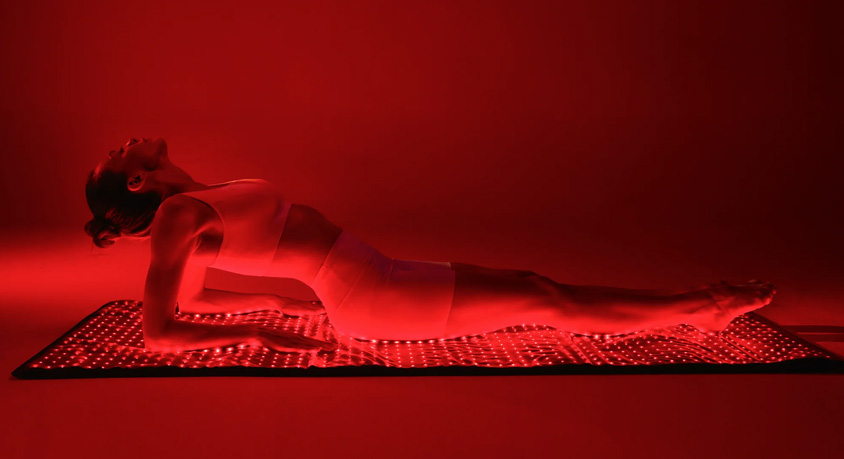
At-home devices are available, but the optimal parameters (wavelength, power density, duration, pulse frequency) are still being refined. A general protocol: apply near-infrared light (830-850 nm) to the forehead and crown for 10-15 minutes daily, using a portable infrared device or a larger panel. Always use protective eyewear even when treating the head, as the light can be uncomfortably bright. While not a cure for any condition, the risk-benefit ratio is highly favorable.
Integrating Red Light Therapy into a Holistic Wellness Routine
Red light therapy is not a replacement for exercise, sleep, or nutrition. But it is a powerful adjunct.
Morning Protocol for Energy and Skin
- Use a red light therapy panel on the face and neck for 10 minutes after washing. This stimulates mitochondria and may improve daytime alertness.
Post-Workout Protocol for Recovery
- Treat large muscle groups for 10 minutes immediately after exercise. Combine with foam rolling and protein intake.
Evening Protocol for Brain and Sleep
- Some evidence suggests that near-infrared light applied in the evening can increase melatonin production and improve sleep quality. Use on the forehead for 10 minutes before bed, but avoid bright white light during this period.
Maintenance and Safety
- Consistency matters: 3-5 sessions per week produce better results than sporadic use.
- Clean the device regularly.
- Do not use on the thyroid or abdomen if you have a known condition; consult a physician.
- Discontinue if you experience unusual discomfort or headaches.
The Takeaway
Red light therapy occupies a unique space in the wellness landscape. It is evidence-based yet accessible, non-invasive yet potent, and safe yet effective. By harnessing the power of specific wavelengths to energize mitochondria, it supports the body's own repair mechanisms. Whether you are an athlete seeking faster recovery, an individual concerned about skin aging, or someone interested in cognitive protection, a red light therapy panel or portable infrared device may be a worthwhile investment. As always, consult a healthcare provider before starting any new therapy, especially if you have a medical condition or are taking photosensitizing medications. But for most healthy individuals, the glow of red light is a gentle, science-backed way to enhance vitality.
FAQs
Q: How long does it take to see results from red light therapy?
A: Results depend on the condition being treated. For muscle soreness, benefits may be felt immediately after a session and peak within 24-48 hours. For skin improvements (wrinkle reduction, collagen production), visible changes typically appear after 4-8 weeks of consistent use (3-5 times weekly). For cognitive effects, some studies report acute improvements in reaction time and mood after a single session, with more sustained benefits after 4-12 weeks. Patience and consistency are key.
Q: Is red light therapy safe for the eyes? Do I need protective eyewear?
A: The wavelengths used in red and near-infrared therapy are not known to damage the retina at therapeutic power densities. However, the brightness can be uncomfortable and may cause afterimages or temporary eye strain. Most manufacturers recommend wearing protective eyewear (provided with the device) to block the intense glare, especially when treating the face or head. Do not stare directly into the light source. For treating other body parts, closing your eyes or turning your head away is sufficient.
Q: Can I use red light therapy if I have tattoos or take medications?
A: Tattoos contain pigments that may absorb light differently than skin. Some users report mild heating or discomfort over dark ink. It is generally safe but reduce exposure time and monitor skin response. Regarding medications: certain drugs (e.g., tetracycline antibiotics, some diuretics, chemotherapy agents) can cause photosensitivity. If you take any medication that increases sun sensitivity, consult your physician before using red light therapy. Otherwise, red light therapy has no known significant drug interactions and is considered very safe for most people. Use a portable infrared device for targeted treatment of small areas, and a red light therapy panel for full-body sessions. Always follow the manufacturer's guidelines.