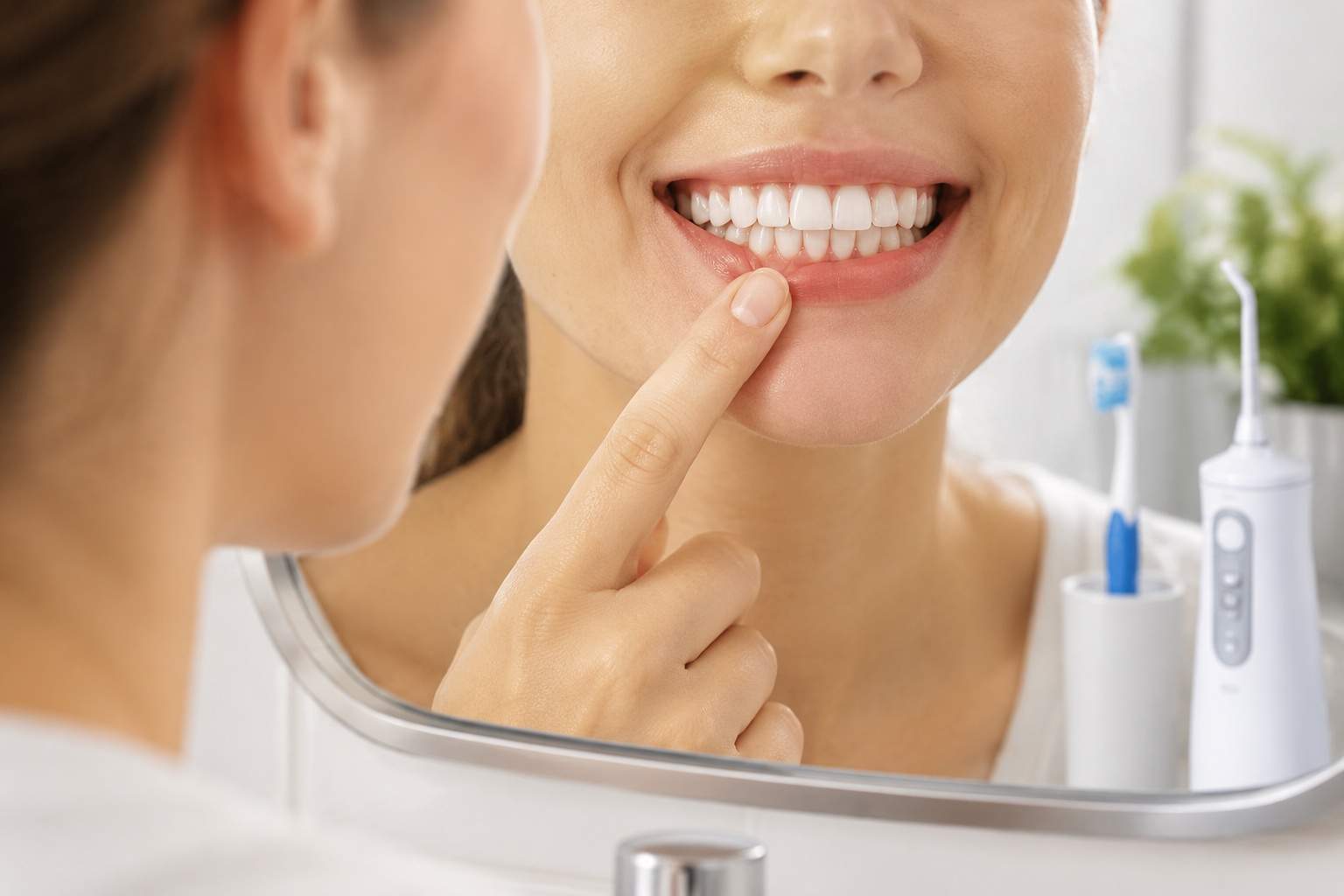
You brush your teeth and lean toward the mirror. There they are: small, chalky white patches near the gumline of your upper front teeth. No pain. No hole. They almost look like little clouds on your enamel.
E.g. :Teen Myopia Isn’t Just From Screen Time—Protect Kids’ Eyes With These Science-Based Habits
- 1、The Chemistry of a White Spot: Mineral Loss, Not Strength
- 2、Why Most People Mistake White Spots for Healthy Marks
- 3、The Window of Opportunity: Reversing Decay Without a Drill
- 4、Three Steps to Erase White Spots Before They Become Cavities
- 5、When White Spots Turn Brown – You’ve Waited Too Long
- 6、Who Is Most at Risk for White Spots
- 7、A Simple Home Test
- 8、FAQs
You’ve seen them before. Maybe you assumed they were calcium deposits—a sign of strong teeth. Or just harmless spots you were born with.
That assumption could cost you a filling. Those white spots are not calcium. They are not a sign of strength. They are the earliest visible stage of a cavity. And if you ignore them, they will turn into brown holes that require a drill.
The Chemistry of a White Spot: Mineral Loss, Not Strength
Healthy enamel is translucent, with a slight blue-white hue. The color comes from light passing through densely packed hydroxyapatite crystals.
When acid from plaque bacteria attacks enamel, calcium and phosphate ions leach out. The enamel becomes porous—less dense, softer. Light no longer passes through cleanly. Instead, it scatters off the microscopic pores, creating a flat, opaque, chalky white appearance.
That white spot is called an incipient carious lesion. It is demineralization. A 2017 study in the Journal of Dental Research used polarized light microscopy to examine white spot lesions. The enamel beneath the surface had lost up to 50% of its mineral content while the surface remained intact.
You cannot feel it. You cannot scrape it off. But it is the beginning of a hole.
Why Most People Mistake White Spots for Healthy Marks
Parents often see white spots on their children’s teeth and think it’s excess fluoride (fluorosis). Adults assume the spots are just how their teeth look.
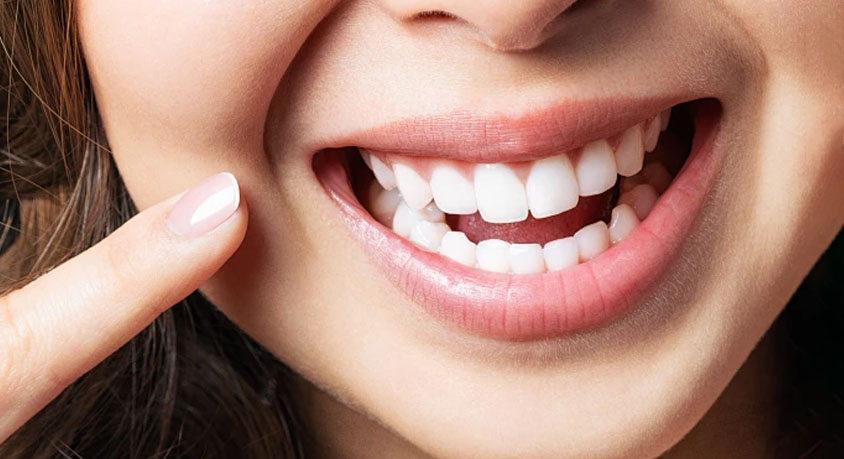
Fluorosis spots are usually symmetric, affect multiple teeth, and appear as lacy white lines or patches that formed during tooth development. Demineralization spots are usually near the gumline or around orthodontic brackets—areas where plaque accumulates.
A 2019 survey in the International Journal of Paediatric Dentistry showed that 68% of adults misidentified white spot lesions as “normal tooth variation” or “calcium spots.” Only 22% recognized them as early decay. That misunderstanding delays treatment by months or years.
The Window of Opportunity: Reversing Decay Without a Drill
Unlike a brown or black cavity, a white spot can be reversed. The enamel is still intact on the outside. The pores can be refilled with minerals if you act quickly.
This process is called remineralization. Fluoride, calcium, and phosphate are deposited back into the porous enamel, closing the pores and restoring translucency.
A 2018 systematic review in Caries Research examined remineralization therapies for white spot lesions. Daily use of high-fluoride toothpaste (1,500 ppm) combined with professional fluoride varnish reversed 75% of lesions within three months. Without treatment, 60% progressed to cavitation within two years.
Three Steps to Erase White Spots Before They Become Cavities
You cannot scrub away a white spot. Whitening toothpaste makes it worse. Here is a protocol that works:
Step 1: Switch to a High-Fluoride Toothpaste
Standard toothpaste contains 1,000–1,100 ppm fluoride. Look for a toothpaste with 1,500 ppm (some over-the-counter options exist, or ask your dentist for prescription 5,000 ppm). Brush twice daily, spit but do not rinse. Leave the fluoride on your teeth.
Step 2: Apply a Remineralizing Gel at Night
After brushing, smear a thin layer of a calcium-phosphate-fluoride gel (like MI Paste One or a generic equivalent) directly onto the white spots. Do not eat or drink for 30 minutes. The gel provides the raw materials to rebuild enamel.
A 2020 trial in the Journal of Clinical Dentistry compared fluoride toothpaste alone versus toothpaste plus nightly gel. The gel group had 84% of white spots fully remineralized after 12 weeks. The toothpaste-only group had 42%.
Step 3: Eliminate the Acid Source
White spots form where plaque sits for hours. Improve your cleaning in that specific area:
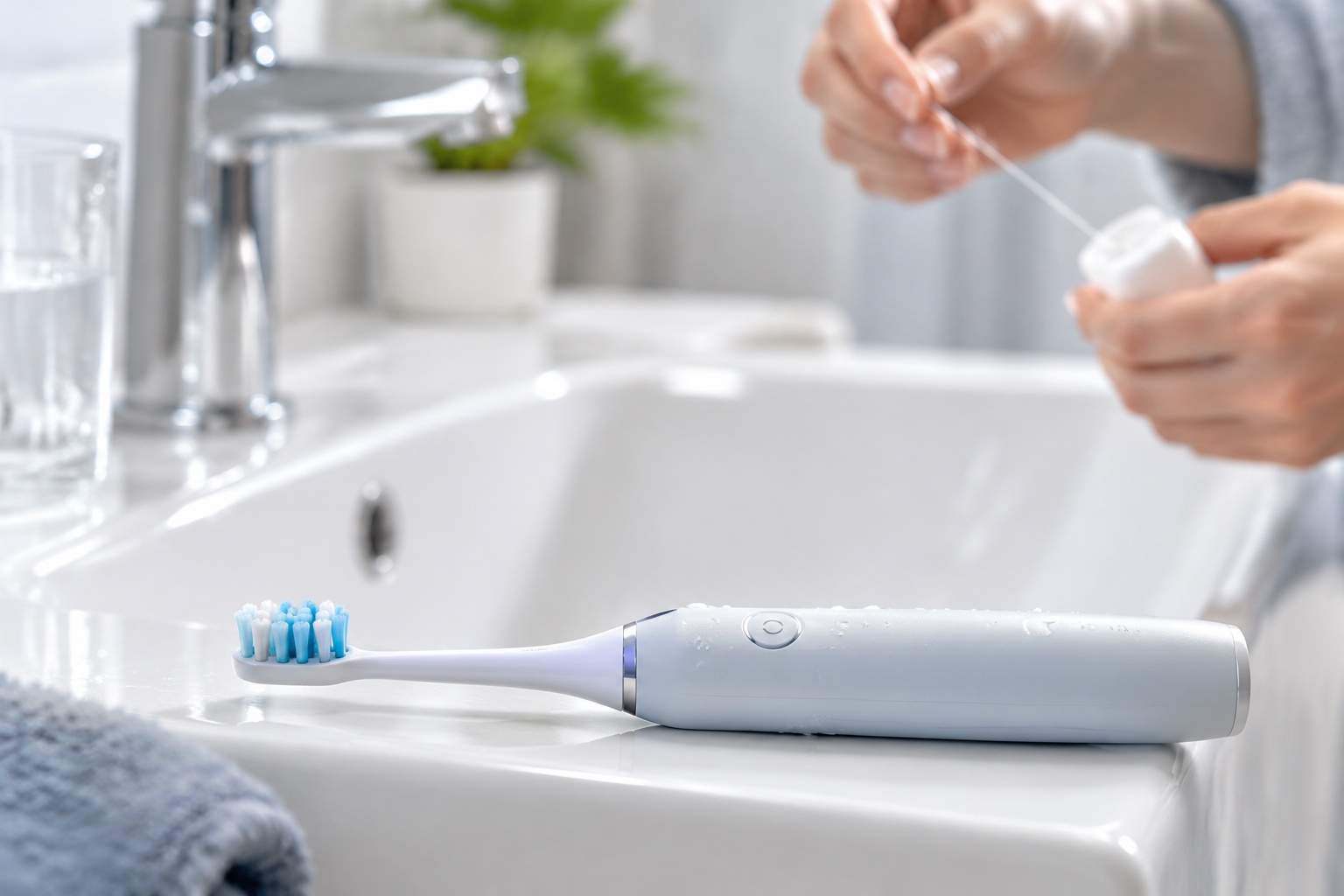
- Use an interdental brush or floss between the affected teeth.
- Check your brushing angle. Most people miss the gumline of upper front teeth. Tilt the brush 45 degrees upward.
When White Spots Turn Brown – You’ve Waited Too Long
If the surface of the white spot becomes rough, feels sticky to a sharp probe, or turns light brown, the enamel has collapsed. That is now a cavity that requires a filling.
A 2021 study in Operative Dentistry followed white spot lesions over 18 months. Lesions that remained white and smooth had a 90% chance of full remineralization with home care. Lesions that became rough or discolored had only a 10% chance.
The difference between a reversible white spot and an irreversible cavity is a few months of neglect.
Who Is Most at Risk for White Spots
- People with orthodontic braces – brackets trap plaque. White spots form around them within four weeks of poor hygiene.
- People with dry mouth – reduced saliva means less natural remineralization.
- People who sip sugary or acidic drinks – constant acid attacks overwhelm enamel’s repair capacity.
- People with poor fluoride exposure – non-fluoridated water and fluoride-free toothpaste accelerate demineralization.
If you fall into any of these groups, check your front teeth in bright light every month. Spot a white patch early, and you can save yourself a filling.
A Simple Home Test
Dry your front teeth with a tissue. Shine a light directly on them. Healthy enamel will look shiny and slightly glossy. A white spot will appear flat, opaque, and clearly distinct from the surrounding enamel. Run your fingernail across it gently. If the surface is still smooth, you have time. If it feels rough or catches, see a dentist immediately.
FAQs
Q: Can whitening toothpaste remove white spots?
A: No. Whitening toothpaste is abrasive. It polishes the surface but does not reach the subsurface pores. In fact, abrasives can erode the thin enamel over a white spot, turning it into a cavity faster. Never use whitening paste on active demineralization.
Q: Are white spots after braces permanent?
A: Not if treated early. Many patients develop white spots around brackets because cleaning is difficult. With six months of high-fluoride paste and remineralizing gel, most spots disappear. Severe, old spots may remain as scars, but they can be treated with microabrasion or resin infiltration (a non-drill procedure).
Q: My child has white spots on baby teeth. Should I worry?
A: Yes. Baby teeth have thinner enamel than permanent teeth. White spots on baby teeth progress to cavities faster. Treat them immediately with fluoride varnish (from a dentist) and improved home care. Untreated decay in baby teeth can affect the developing permanent teeth underneath.