You had a deep filling two years ago. For a while, the tooth felt sensitive to cold. Then the sensitivity stopped. Completely. You assumed the tooth had healed. No pain, no problem.
E.g. :Drinking Through a Straw Won’t Save Your Teeth – Acid Still Baths Every Surface
- 1、What “Dead Tooth” Actually Means: Pulp Necrosis
- 2、The Silent Bone Destruction That Sneaks Up on You
- 3、The Difference Between a Dead Tooth and a Healthy One
- 4、What Happens if You Leave a Dead Tooth Untreated
- 5、Treatment: Root Canal, Not Extraction (Most of the Time)
- 6、When to Get an X-Ray Even Without Pain
- 7、FAQs
At your last checkup, the dentist tapped on that tooth and took an X-ray. Then came the words you didn’t expect: “This tooth needs a root canal.”
You’re confused. It doesn’t hurt. It doesn’t keep you awake at night. How can a dead tooth be a problem if you feel fine?
The silence of a dead tooth is not a sign of health. It’s the calm before a storm that can destroy bone and spread infection—all without a single twinge of pain.
What “Dead Tooth” Actually Means: Pulp Necrosis
Inside every tooth lives the pulp: soft tissue containing nerves, blood vessels, and immune cells. When the pulp dies—from deep decay, a crack, or trauma—it stops sending pain signals. That’s why a dead tooth often feels like nothing.
But the tooth is not sterile. Bacteria that caused the initial decay continue to multiply inside the hollow root canal system. They feed on dead tissue and produce waste products, including gases and acids.
A 2018 study in the Journal of Endodontics examined 500 asymptomatic teeth with X-ray evidence of apical periodontitis (bone inflammation at the root tip). Over 90% had viable bacteria inside the root canal, even though the patients reported zero pain.
The absence of pain does not mean the absence of infection. It means the nerve is gone.
The Silent Bone Destruction That Sneaks Up on You
Without a functioning nerve, you cannot feel the early stages of bone destruction. The infection at the root tip slowly erodes the surrounding jawbone. This shows up on X-rays as a dark circle—a radiolucency—around the root.
This process can continue for months or years without symptoms. Meanwhile, the bone loss accumulates. A 2019 study in Oral Surgery, Oral Medicine, Oral Pathology followed asymptomatic periapical lesions over five years. Nearly 40% increased in size. Some doubled in diameter, requiring not just a root canal but also a surgical procedure (apicoectomy) to remove the infected root tip.
By the time pain appears—usually when the infection flares into an acute abscess—the bone destruction may be so extensive that the tooth becomes loose or the infection spreads to nearby spaces, causing facial swelling.
The Difference Between a Dead Tooth and a Healthy One
How can you tell if a tooth might be dead without waiting for an X-ray?
Discoloration
A dead tooth often darkens over time. It may turn gray, yellow, or even dark purple. This happens because blood breakdown products seep into the dentin after the pulp dies. Not every dead tooth discolors, but a single dark tooth in a sea of white ones is a red flag.
No Response to Cold
Take an ice cube or a chilled cotton ball and hold it against the suspect tooth. A healthy tooth will feel a sharp, fleeting cold sensation. A dead tooth feels nothing—or a dull ache that lasts seconds (indicating partial nerve death).
Fistula or Pimple on the Gum
A small, recurring pimple on the gum near the tooth is a sinus tract—a drainage channel for pus from the root tip. It may come and go, sometimes with a bad taste when it drains. That is definitive evidence of a dead tooth.
A 2020 clinical guide in the International Endodontic Journal emphasized that the absence of symptoms does not justify avoiding treatment. “Asymptomatic apical periodontitis is a disease,” the authors wrote. “Watchful waiting is not appropriate when the tooth can be saved with root canal treatment.”
What Happens if You Leave a Dead Tooth Untreated
You might think: “I’ll just leave it alone. If it hurts later, I’ll deal with it then.”
Here’s what can happen while you wait:
Acute Abscess
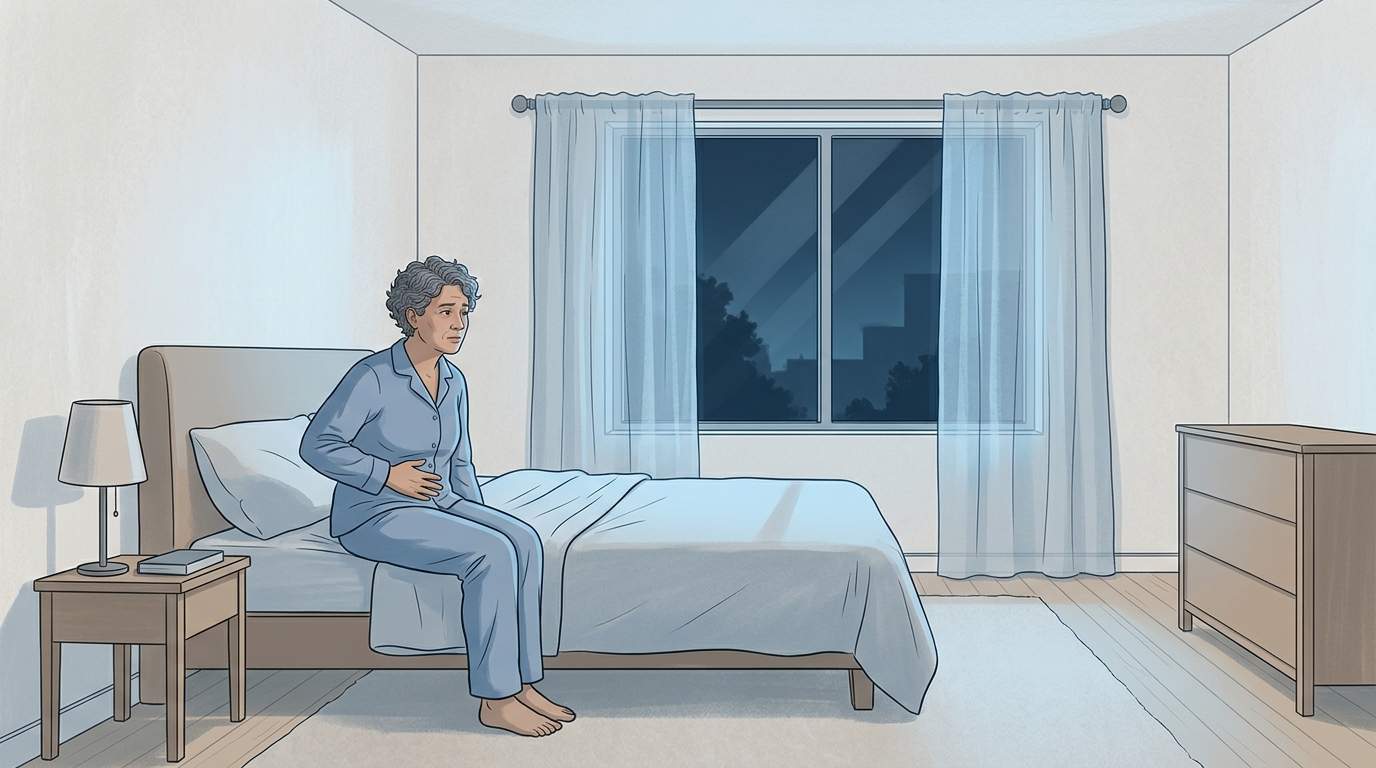
The chronic infection can suddenly flare into an acute abscess. You wake up with swelling in your cheek, throbbing pain (finally!), and possibly a fever. An abscess requires emergency treatment—drainage and antibiotics—and the tooth may no longer be restorable if the bone loss is too severe.
Cyst Formation
The body sometimes walls off the infection by forming a cyst—a fluid-filled sac at the root tip. Cysts can grow large enough to displace adjacent teeth or weaken the jaw to the point of fracture. Removing a cyst requires surgery.
Spread to Adjacent Teeth
The bacteria from a dead tooth can travel through the bone and infect neighboring teeth, causing them to need root canals as well. A 2021 study in the Journal of Dental Research found that 15% of untreated asymptomatic periapical lesions led to adjacent tooth involvement within three years.
Treatment: Root Canal, Not Extraction (Most of the Time)
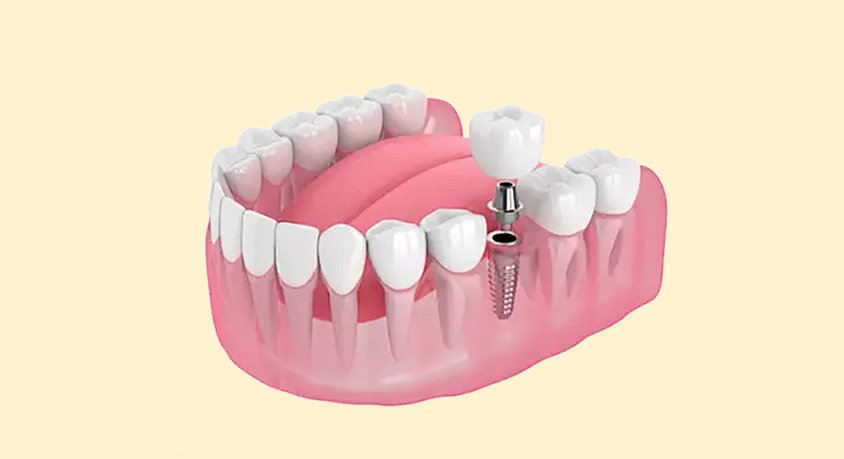
A root canal removes the dead pulp, cleans and disinfects the inside of the tooth, and seals it. The tooth remains in your mouth, functioning normally. Most root canal treatments are no more uncomfortable than getting a filling—modern anesthesia makes the procedure painless.
After a root canal, the bone around the root tip gradually heals. On follow-up X-rays (6 to 12 months later), the dark circle disappears as new bone fills in.
If the bone destruction is too extensive or the tooth is cracked below the gumline, extraction may be the only option. That’s why early treatment—while the tooth is asymptomatic—gives you the best chance of saving it.
A 2019 retrospective analysis in the Journal of the American Dental Association compared outcomes for asymptomatic versus symptomatic teeth receiving root canals. The asymptomatic group had a 96% success rate at five years. The symptomatic group had 88%. Earlier treatment leads to better outcomes.
When to Get an X-Ray Even Without Pain
You don’t need to X-ray every tooth every year. But specific situations warrant a look:
- A tooth that used to be sensitive to cold but isn’t anymore.
- A tooth with a large, deep filling or a crown.
- A tooth that changed color.
- A tooth that was hit by trauma (even years ago).
- A recurring pimple on the gum.
If your dentist recommends a root canal on a painless tooth, ask to see the X-ray. The dark circle around the root tip is usually obvious. Once you see it, the decision becomes clear.
FAQs
Q: Can a dead tooth heal on its own if the infection is mild?
A: No. Dead pulp tissue cannot regenerate. The body’s immune system can sometimes contain the infection, but it cannot eliminate the bacteria inside the sealed root canal space. Without treatment, the infection persists permanently and can worsen.
Q: I have a dark tooth but no other symptoms. Can I just whiten it?
A: Whitening a dead tooth without a root canal is cosmetic camouflage. The internal infection continues to destroy bone while you focus on appearance. Internal bleaching (done inside the tooth after a root canal) is safe. External whitening on a dead tooth does not address the underlying disease.
Q: Is a root canal painful? I’ve heard horror stories.
A: Modern root canal treatment is performed under local anesthesia and is typically no more uncomfortable than a filling. The horror stories come from decades ago or from untreated acute abscesses where anesthesia is less effective. For an asymptomatic dead tooth, the procedure is straightforward and often completely pain-free.