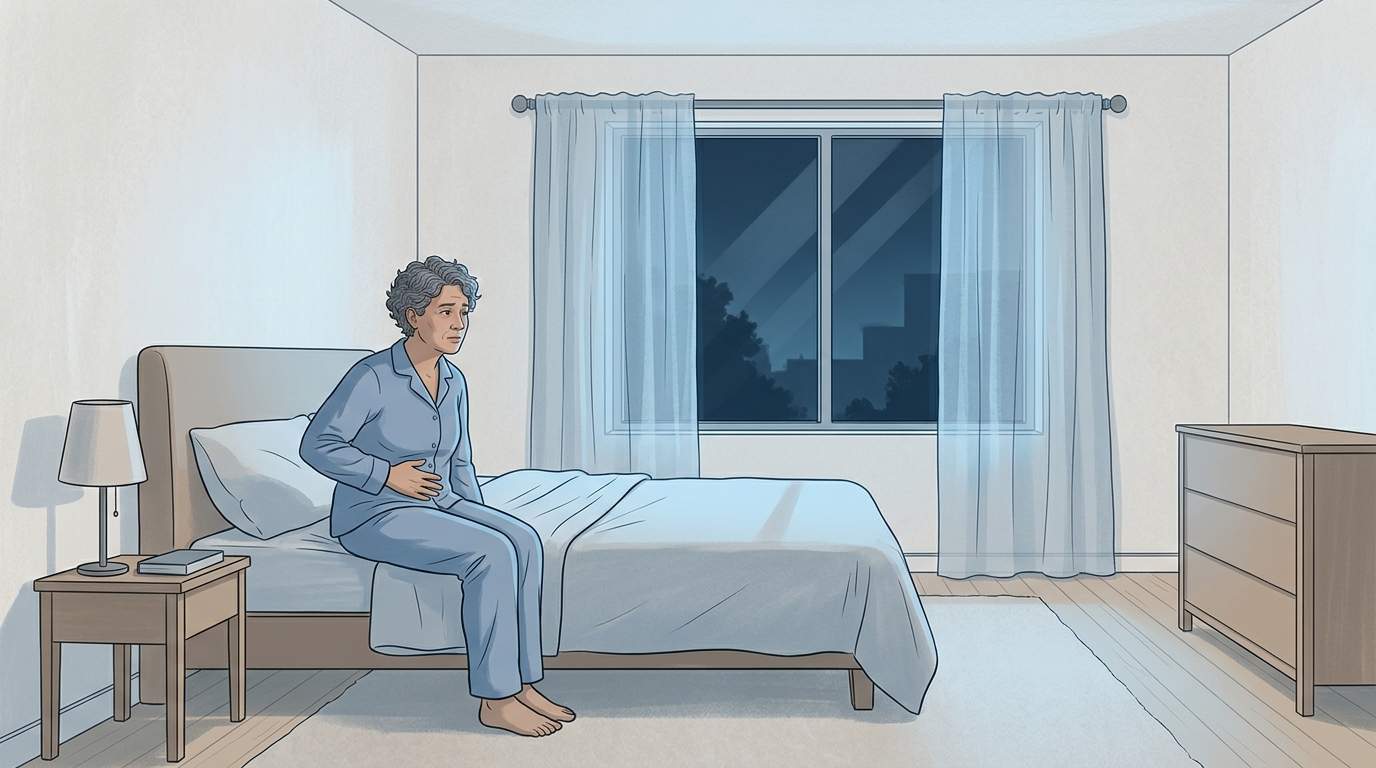
You sit in a comfortable room. Everyone else is fine. But your fingers feel like ice cubes. Your toes are numb. You rub your hands together, slip on thick socks, and nothing helps. You have assumed for years that you just have “bad circulation.”
- 1、The Vasoconstriction Reflex That Saves Your Life
- 2、The Iron Connection Most Doctors Miss
- 3、Why Women Suffer More Than Men
- 4、The Fix: Retraining Your Thermostat, Not Your Arteries
- 5、When Cold Hands Mean Something Else
- 6、FAQs
The idea makes sense: cold extremities must mean blood isn’t reaching them. So you try exercise, cayenne pepper, even ginkgo supplements. Yet your hands stay cold while your core is perfectly warm. Here is what most people misunderstand: your body is not failing to send blood to your fingers. It is actively choosing not to. And that choice is controlled by a completely different system than your “circulation.”
The Vasoconstriction Reflex That Saves Your Life
Your body prioritizes your core organs — heart, brain, lungs — over your fingers and toes. When your skin senses even a slight drop in temperature, your nervous system triggers vasoconstriction. Tiny muscles in the walls of your arteries squeeze down, reducing blood flow to your hands and feet. This keeps warm blood inside your torso.
This is not a flaw. It is a survival reflex. A 2018 study in the Journal of Physiology showed that healthy adults reduce finger blood flow by up to 90% within minutes of mild cooling, while core temperature remains unchanged.
The problem is not that your blood flow is “poor.” It is that your vasoconstriction reflex is overactive. You feel cold because your body is over-protecting your core, not because your heart is weak or your arteries are blocked.
Why “improving circulation” advice often fails
Supplements and exercises that dilate blood vessels might warm your skin temporarily. But they also lower your core temperature slightly, which triggers even more vasoconstriction later. That is why many people feel colder an hour after a hot shower or a spicy meal. You borrowed warmth from your core, and your body paid it back with interest.
The Iron Connection Most Doctors Miss
Low iron stores — even without full anemia — are one of the most overlooked causes of cold hands. Iron is essential for thyroid hormone production, and thyroid hormone regulates your body’s thermal set point. A 2020 study in Nutrients found that women with serum ferritin below 30 ng/mL (still considered “normal” by many labs) had significantly colder fingers and took longer to rewarm after cold exposure.
Three signs your iron might be the issue
- Your hands get cold even in mild temperatures (65°F / 18°C).
- You feel unusually tired during your period or after exercise.
- You eat little red meat, have heavy menstrual bleeding, or donate blood frequently.
A simple ferritin blood test can clarify this. If your level is below 50 ng/mL, supplementing iron (under medical guidance) often reduces cold sensitivity within four weeks.
Why Women Suffer More Than Men
Women are up to four times more likely to report cold hands than men. This is not “hormones” in a vague sense. Estrogen affects the thermoregulatory center in the hypothalamus, widening the zone between feeling comfortable and activating vasoconstriction. Additionally, women typically have less muscle mass, and muscle generates heat. A 2021 study in Temperature found that women’s hands were, on average, 3°F (1.6°C) colder than men’s in the same room temperature.
This is not a disorder. It is a normal biological difference. But it explains why your male partner can wear a t-shirt while you need gloves indoors.
The Fix: Retraining Your Thermostat, Not Your Arteries
You cannot stop vasoconstriction completely — it is essential. But you can reduce how easily it triggers.
Build heat-generating tissue
The most effective long-term fix is increasing your muscle mass. Muscle produces heat at rest. A 2019 study found that adults with higher lean muscle mass had significantly warmer extremities at the same room temperature. You do not need to become a bodybuilder. Adding 3–5 pounds of muscle (about 30 minutes of resistance training twice a week) makes a measurable difference over three months.
Warm your core, not your hands
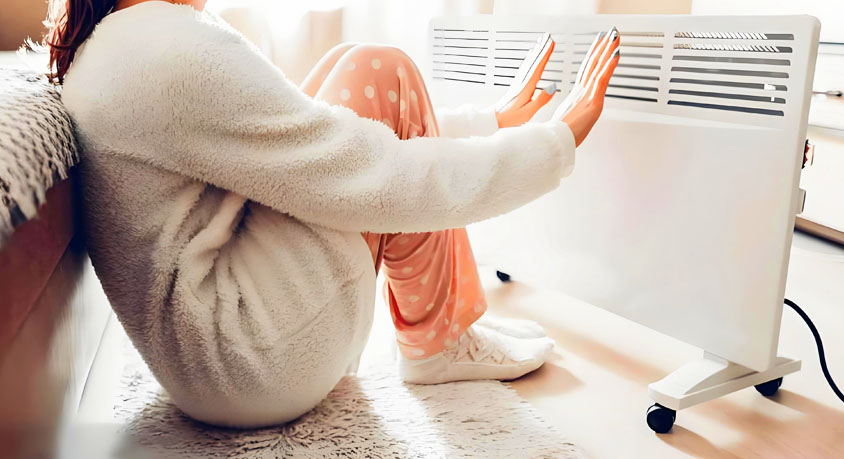
When your hands are cold, do not put them under hot water or in front of a heater. That warms the surface but tells your brain “core is safe” prematurely. Instead, drink a warm (not hot) beverage or put a warm pack on your lower belly or lower back. Warming the core directly signals your nervous system that it can relax vasoconstriction. Your hands will warm naturally within 10–15 minutes.
Check your thyroid
If you also have fatigue, weight gain, hair thinning, or constipation, ask your doctor for a full thyroid panel (TSH, Free T3, Free T4). Mild hypothyroidism is a common cause of cold intolerance that responds well to medication.
When Cold Hands Mean Something Else
Raynaud’s phenomenon is a condition where fingers turn white, then blue, then red in response to cold or stress. This is an exaggerated vasospasm, not the normal cold response. If your fingers change color dramatically or become painful, see a rheumatologist.
For the vast majority with persistently cold but normal-looking hands, the answer is not better blood flow. It is understanding that your body’s thermostat is set too cautiously. Build muscle, check your iron and thyroid, and stop chasing “circulation” supplements. Your hands know what they need — they just need you to read the right signals.
FAQs
Q: Does smoking cause cold hands?
A: Yes. Nicotine is a potent vasoconstrictor. Smokers have significantly colder fingers than non-smokers at the same temperature. Quitting often improves hand warmth within weeks, as blood vessels regain normal tone.
Q: Are there any medications that help chronic cold hands?
A: For severe cases, doctors sometimes prescribe calcium channel blockers (like nifedipine) which relax blood vessel walls. However, these are typically for Raynaud’s, not mild cold sensitivity. Do not seek medication before trying lifestyle changes — muscle building and iron optimization are safer and often equally effective.
Q: Can anxiety make my hands cold?
A: Yes. Stress activates the sympathetic nervous system, which triggers the same vasoconstriction reflex as cold exposure. People with anxiety often notice cold fingers during panic attacks or even during everyday tension. Relaxation techniques (deep breathing, progressive muscle relaxation) can reduce the reflex’s intensity.