You spit out the toothpaste foam. Pink again. You tell yourself: “I probably brushed too hard.”
E.g. :Non Restorative Sleep Causes and Solutions: How to Fix Poor Quality Sleep and Wake Up Refreshed
- 1、The Inflammation Economy: Why Bleeding Is a Signal, Not a Wound
- 2、Two Common Misreadings of This Signal
- 3、The Real Logic: Bleeding Predicts Bone Loss
- 4、A Three-Tier Risk Assessment for Bleeding Gums
- 5、The One Habit That Changes the Risk Calculation
- 6、Why Your Dentist Asks About Bleeding at Every Visit
- 7、FAQs
That is the most common reaction. And it is wrong. Bleeding gums are almost never caused by brushing too hard. They are caused by not cleaning enough. But even that misses the deeper logic.
Let me walk you through what bleeding gums actually disclose about your body’s risk management system.
The Inflammation Economy: Why Bleeding Is a Signal, Not a Wound
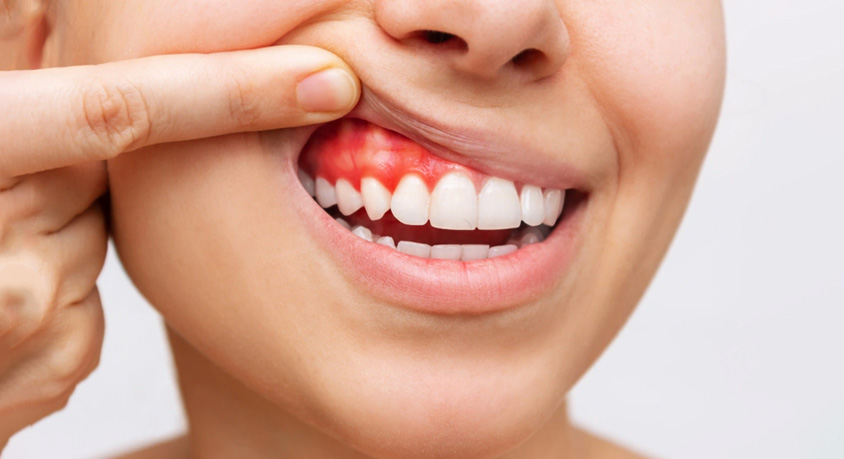
Your gums bleed because they are inflamed. That inflammation is your immune system’s response to bacterial plaque along the gumline. The gums swell, turn red, and bleed at the slightest touch.
A 2019 CDC report estimated that nearly half of US adults over 30 have some form of gum disease. Most cases are silent until they aren’t.
Financially, bleeding gums are a risk disclosure. Your body publishes an earnings report every time you brush. The pink foam is a footnote saying: “Inflammatory liabilities have increased.” Ignoring it is like skipping the fine print.
Two Common Misreadings of This Signal
Most people interpret bleeding gums in ways that make the problem worse.
“I’ll brush gentler.” A softer brush does not remove bacteria. Inflammation continues. You treat the symptom while your gum tissue quietly depreciates.
“I’ll use mouthwash.” Alcohol-based washes do not penetrate biofilm well. A 2020 review in the Journal of Clinical Periodontology found that mouthwashes alone do not reverse gingivitis.
The Real Logic: Bleeding Predicts Bone Loss
What most people do not know: bleeding is not about your gums. It is about your jawbone. Chronic gum inflammation releases enzymes that break down collagen. Over time, the bone holding your teeth erodes. Once bone is lost, it does not return.
A 2018 study in the Journal of Dental Research followed 1,200 adults for five years. Those with consistent bleeding were 4.2 times more likely to show measurable bone loss at five years. Bleeding gums are a leading indicator of structural decay.
Your jawbone is a fixed-term bond. Each day of untreated gingivitis clips a small percentage off its value.
A Three-Tier Risk Assessment for Bleeding Gums
Not all bleeding is equal. Classify your risk level.
Tier 1: Low Risk — Transient Bleeding
You flossed for the first time in a week. A few spots bleed, then stop within 3-5 days of daily flossing. Action: Continue daily flossing. Bleeding should disappear within two weeks. If not, move to Tier 2.
Tier 2: Medium Risk — Chronic Light Bleeding
You brush and floss daily, but several areas bleed every time. You notice receding gums or bad breath. Action: Add a water flosser. A 2021 trial in the Journal of Clinical Dentistry found water flossers reduced bleeding by 53% more than string floss alone. Also check vitamin C intake. A 2021 study in Nutrition Reviews linked low vitamin C to a 1.5x higher risk of bleeding gums.
Tier 3: High Risk — Painless Bleeding with Spacing or Mobility
Painless bleeding, especially if teeth feel loose or spaces are opening. Action: See a dentist immediately. This suggests deep pockets and bone loss. Professional scaling is the only intervention that stops progression.
The One Habit That Changes the Risk Calculation
Most people hate flossing. Try a copper tongue scraper first. Why? 50% of oral bacteria live on your tongue. Scraping daily reduces total bacterial load significantly. A 2019 study in the Journal of Oral Health found that tongue scraping combined with flossing reduced bleeding by 38% compared to flossing alone.
Order matters: scrape tongue, then water floss, then brush. You remove the bacterial source before disturbing the gumline.
A $5 tongue scraper, a soft toothbrush, and either string floss or a water flosser. That is your entire portfolio.
Why Your Dentist Asks About Bleeding at Every Visit
That question is not small talk. Bleeding gums correlate with systemic inflammation. Meta-analyses show associations between periodontitis and cardiovascular disease, poor glycemic control, and adverse pregnancy outcomes.
The mechanism is bacteremia. Every time you brush bleeding gums, oral bacteria enter your bloodstream. Chronic low-grade bacteremia stresses your vascular system.
Your mouth is a data dashboard. Bleeding gums are a red light. You can ignore it for a while. But the system keeps recording.
Start tonight: floss or water floss before brushing. Do it for 10 days. If the pink disappears, you have reversed early gingivitis. If it stays, move up your risk tier. Your future jawbone will thank you.
FAQs
Q: Can vitamin deficiency alone cause bleeding gums even with perfect oral hygiene?
A: Yes. Moderate subclinical vitamin C deficiency is more common than people think. If your oral hygiene is impeccable but gums still bleed, ask your doctor for a serum vitamin C or ferritin test. Correcting the deficiency often stops the bleeding within weeks.
Q: Is it safe to continue brushing bleeding gums?
A: Continue, but gently. Stopping brushing allows more plaque to accumulate. Switch to a soft-bristled brush with small circular motions at the gumline. Bleeding should decrease daily. If it increases, or if you see pus or swelling, see a dentist immediately.