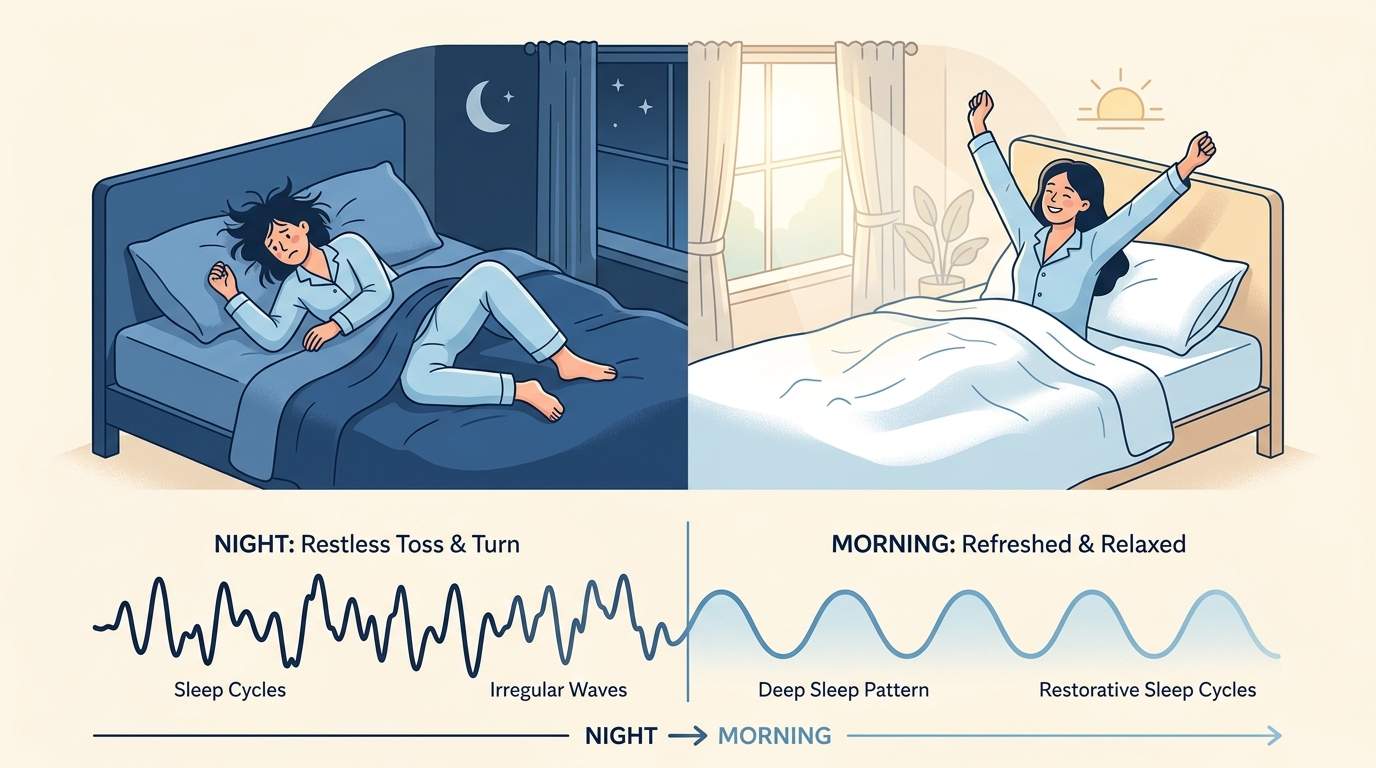
You’ve dutifully logged your eight hours. The room was dark, the bed comfortable. Yet, the morning alarm feels less like a gentle nudge and more like an assault. You wake up exhausted, foggy, as if you never truly slept at all. This frustrating phenomenon—non restorative sleep—is a growing complaint. It points to a critical distinction in our understanding of rest: the chasm between sleep quantity and sleep quality. You can be present in bed for a sufficient duration, yet be largely absent from the deep, restorative stages where true physiological renewal occurs. Unraveling this mystery requires moving beyond simple sleep hygiene checklists and investigating the subtle, often silent, disruptors that fragment our night and steal our morning vitality.
- 1、Understanding the Core Symptoms of Non Restorative Sleep Disorders
- 2、Identifying and Screening for Common Hidden Sleep Disruptors
- 3、How Lifestyle and Environment Fragment Your Sleep Architecture
- 4、Practical Steps for Diagnosis and Implementing Sleep Quality Solutions
- 5、Building a Foundation for Truly Restorative Sleep
- 6、FAQs
Understanding the Core Symptoms of Non Restorative Sleep Disorders
Non restorative sleep is characterized by a persistent feeling of unrefreshing sleep despite adequate opportunity. Key daytime symptoms include chronic fatigue, brain fog, poor concentration, and low motivation. It’s crucial to differentiate this from general tiredness. This is a specific, recurring feeling that sleep did not perform its core function of restoration. According to research cited by the National Sleep Foundation, this complaint affects a significant portion of the population and is a major indicator of underlying sleep disorder symptoms, even in the absence of classic insomnia.
Identifying and Screening for Common Hidden Sleep Disruptors
Often, the causes of deep sleep disruption are not obvious. Several “silent” conditions can fragment sleep architecture hundreds of times per night without fully waking you.
Breathing-Related Issues
Sleep Apnea Signs. Obstructive Sleep Apnea (OSA) involves repeated pauses in breathing. The classic sign is loud, intermittent snoring followed by silence (a pause), then a gasp or choke. However, many cases are "mild" or "subclinical," causing deep sleep disruption through micro-arousals without the sleeper's awareness. A simple first step is to use a smartphone app designed to record nighttime sounds, which can often detect snoring patterns and potential pauses.
Movement Disorders
Conditions like Periodic Limb Movement Disorder (PLMD) cause involuntary leg jerks every 20-40 seconds during sleep, leading to constant, minor awakenings. Restless Legs Syndrome (RLS), its waking counterpart, creates an irresistible urge to move the legs when at rest, severely delaying sleep onset.
Bruxism (Teeth Grinding)
This nocturnal activity creates significant jaw tension and micro-arousals, preventing sustained deep sleep. It often goes unnoticed unless a partner hears it or a dentist notices wear on the teeth.
How Lifestyle and Environment Fragment Your Sleep Architecture
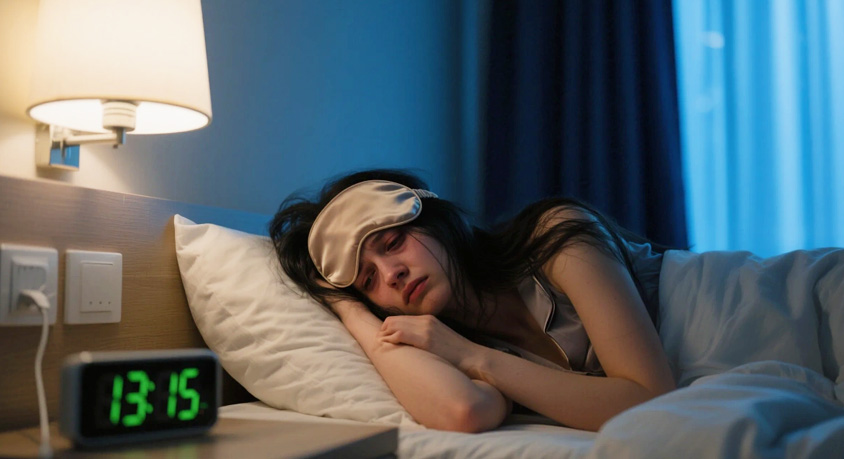
Even without a clinical disorder, daily choices and bedroom conditions can be prime culprits in deep sleep disruption.
The Seductive Deception of Alcohol: While alcohol may hasten sleep onset, it is a proven saboteur of sleep quality solutions. It metabolically disrupts the second half of the sleep cycle, suppressing vital REM sleep and causing repeated, brief awakenings as its sedative effects wear off.
The Invisible Intruder: Poor Bedroom Air Quality. A less discussed but significant factor is carbon dioxide (CO2) buildup. In a poorly ventilated bedroom, exhaled CO2 can concentrate, leading to shallower, more fragmented sleep and morning headaches. Studies, including one published in Indoor Air, have correlated lower ventilation rates with reduced sleep quality.
Chronic Stress and a Hyperactive Nervous System: An anxious mind keeps the body in a state of low-grade alert. This heightened arousal raises the brain’s “awake threshold,” making it easier for any minor disturbance—a sound, a movement—to trigger a cortical awakening, preventing the sustained, uninterrupted periods needed for deep sleep.
Practical Steps for Diagnosis and Implementing Sleep Quality Solutions
Addressing non restorative sleep is a process of investigation and incremental improvement.
When to Seek Professional Diagnosis: If self-checks suggest potential sleep apnea signs (snoring, pauses, daytime sleepiness) or if symptoms persist despite improving habits, consult a physician or sleep specialist. The gold-standard diagnostic tool is an in-lab or at-home sleep study (polysomnography), which monitors brain waves, oxygen levels, heart rate, and movements throughout the night to pinpoint disruptions.
Actionable Home Interventions: While awaiting evaluation, several strategies can help.
Positional Therapy: For snoring and mild apnea, try side-sleeping. Special pillows or wearable devices can help maintain this position.
Targeted Supplementation: For muscle tension or RLS-like symptoms, magnesium glycinate before bed may promote muscular relaxation. Always consult a healthcare provider before starting supplements.
Optimize the Sleep Cave: Prioritize coolness, darkness, and quiet. A white noise machine can mask disruptive environmental sounds. Consider improving bedroom ventilation by cracking a window or using an air purifier.
Building a Foundation for Truly Restorative Sleep
Ultimately, solving non restorative sleep requires shifting focus from mere time-in-bed to the continuity and architecture of sleep. It involves playing detective with your own habits and physiology. The goal is not just to sleep, but to cycle completely and repeatedly through the deep, restorative stages without interruption. By systematically identifying and mitigating the hidden thieves of your sleep, you can transform those empty eight hours into a genuine nightly retreat that truly powers your waking life.
FAQs
Q: I don't snore loudly or gasp. Could I still have a sleep breathing problem causing my non restorative sleep?
A: Absolutely. A condition known as Upper Airway Resistance Syndrome (UARS) or very mild sleep apnea may not produce the classic loud snoring and gasping. Instead, it causes increased respiratory effort that triggers subtle brain arousals all night long, severely fragmenting deep sleep without obvious sleep apnea signs. Persistent fatigue and unrefreshing sleep are the primary symptoms. This is why a professional evaluation can be crucial.
Q: Will taking magnesium definitely help my restless legs and improve my sleep quality?
A: Magnesium plays a role in nerve function and muscle relaxation, and deficiency can exacerbate symptoms like restlessness. For some individuals, supplementing with a well-absorbed form like magnesium glycinate can provide noticeable relief, contributing to better sleep quality solutions. However, RLS and PLMD have various causes (iron deficiency, neurological factors). Magnesium may help in mild cases or as a supportive measure, but it is not a universal cure. A proper medical diagnosis is important for persistent symptoms.