You dreamed of this for years. The acceptance letter. The visa. The flight.
E.g. :Hair Thinning Isn’t Just “Aging”—Stop It With These Science-Based Habits
- 1、The Three‑Month Wall No One Warns You About
- 2、Two Hidden Signs International Students Miss in Themselves
- 3、What Happens in a Depressed International Student’s Brain
- 4、One Tool That Stabilizes You Without Fixing Everything
- 5、FAQs
Now you are here. New city, new language, new classroom. The first few weeks were exciting – exploring campus, making friends from other countries, posting photos for family back home.
Then the excitement faded. Now you feel tired. Irritable. You skip meals. You stop answering video calls. You lie in bed watching shows from your home country, the same episodes you have seen before.
You are not lazy. You are not ungrateful. You are experiencing the hidden crash of study abroad depression – a wave of low mood that hits international students after the initial “honeymoon phase” ends. And you are far from alone.
The Three‑Month Wall No One Warns You About
A 2022 study in the Journal of International Students surveyed 1,500 international students across 20 U.S. universities. At the three‑month mark, 52% reported moderate to severe symptoms of depression. By six months, the rate dropped to 31% – but for many, those three months were some of the darkest of their lives.
The trigger is not one big event. It is the accumulation of small losses: food that never tastes like home, jokes you do not understand, holidays spent alone, and the exhaustion of speaking a second language all day.
The Exhaustion of Code‑Switching Every Minute
At home, you were fluent, funny, and confident. Here, you stumble over words. You miss cultural references. You rehearse sentences before speaking.
This constant culture shock – the mental effort of navigating an unfamiliar social world – drains your brain’s energy reserves. A 2021 study found that international students spent 47% more cognitive energy on daily conversations than local students. By evening, you have nothing left for studying or socializing.
Two Hidden Signs International Students Miss in Themselves
These symptoms are often dismissed as “adjustment” or “just tired.” They are not.
The Withdrawal Behind “I’m Busy”
Your family calls. You let it go to voicemail. You text back “I’m busy” or “class all day.”
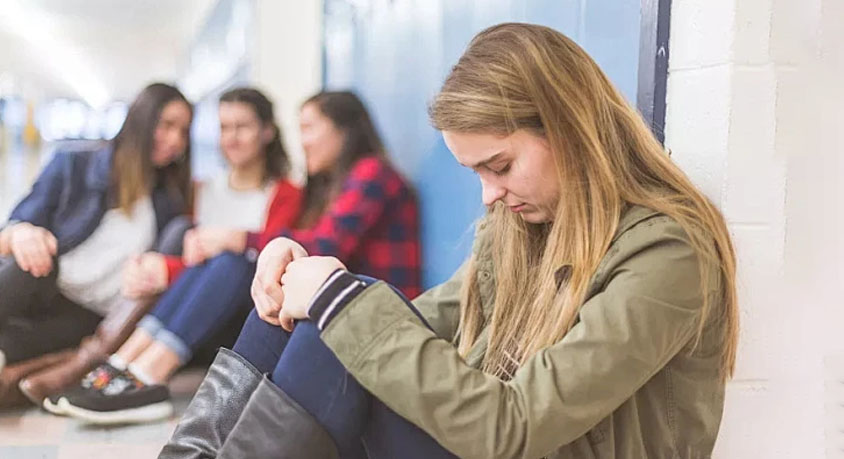
But you are not busy. You are avoiding the call because you do not want to explain why you feel so flat. You are ashamed of feeling depressed when you “should” be happy.
Study abroad loneliness is hardest to admit because it feels like a betrayal of the opportunity you worked for.
The Academic Drop That Looks Like Laziness
You used to love learning. Now you cannot focus. You read the same paragraph three times. You miss deadlines for the first time in your life.
You think “I am not smart enough for this program.” But the problem is not your intelligence. It is your nervous system, running on empty from chronic culture shock and disrupted sleep.
What Happens in a Depressed International Student’s Brain
Three factors combine to create international student depression.
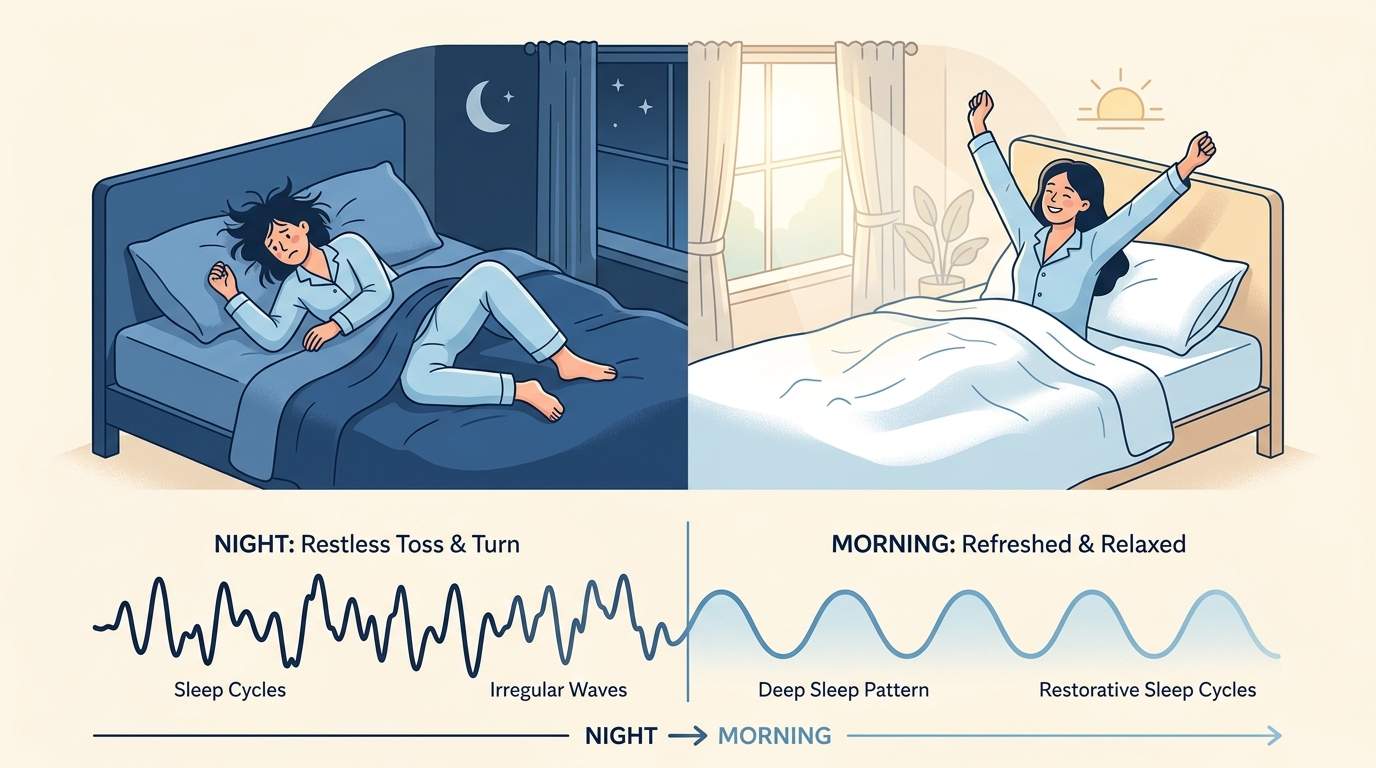
First, sleep disruption. Your body’s circadian rhythm is still on home time. Poor sleep lowers serotonin availability.
Second, loneliness. A 2020 study found that international students had smaller social networks than local students – and those networks were less “deep.” You have many acquaintances, few people who truly know you. Social isolation raises cortisol.
Third, daily micro‑stressors. Each misunderstanding, each moment of feeling “different,” each missed cultural cue triggers a small stress response. Over weeks, these micro‑stressors accumulate into a heavy load.
One Tool That Stabilizes You Without Fixing Everything
You cannot eliminate culture shock overnight. But you can build a bridge between your two worlds.
The “Home Anchor” Ritual for 15 Minutes Daily
Every day, do one thing that connects you to home – but for only 15 minutes. Call a grandparent. Cook one familiar dish. Listen to a song from high school.
After 15 minutes, shift to one “here” activity – studying in a campus café, saying hello to a classmate, walking a route you have not tried.
A 2022 study in International Journal of Intercultural Relations found that international students who practiced this “anchored bridging” for four weeks reported 34% lower depression scores and 41% lower loneliness scores. The ritual gave them the comfort of home without preventing them from building a new life.
The “One Local Friend” Semester Goal
You do not need ten friends. You need one person from your host country who you see weekly, not for homework, but for coffee or a walk.
A 2021 study found that international students with at least one close local friend had 2.5 times lower depression risk than those whose friends were all from their home country. The local friend helps decode culture – and that decoding reduces daily micro‑stress.
A Real Example: Elena’s Frozen Pizza Phase
Elena, a 22‑year‑old from Spain, studied in Ohio. The first month was thrilling. By month three, she was eating frozen pizza alone every night, skipping classes, and crying when her mother called.
Her university counselor suggested the home anchor ritual. Elena cooked Spanish tortilla every evening – just 15 minutes. Then she walked to the campus library to study. The cooking connected her to home. The walk forced her outside.
She also joined a conversation partner program. She was matched with an American student who wanted to learn Spanish. They met for coffee weekly. Elena’s grades improved. She stopped crying before calls home. She still missed Spain. But she no longer felt like she was drowning.
FAQs
Q: Is international student depression different from regular depression?
A: It shares symptoms, but the cause is situational – culture shock, language fatigue, and disrupted social support. Many international students recover when they return home or build a stable local network. However, if depression persists after 6–8 months, it may require professional treatment regardless of the cause.
Q: Can international students access mental health services in their host country?
A: Yes, university counseling centers are typically free and confidential. Some students worry that seeking help will affect their visa or academic standing. It will not. Counseling is protected health information. If you are unsure, ask the counseling center directly – they can explain confidentiality rules in your first session.