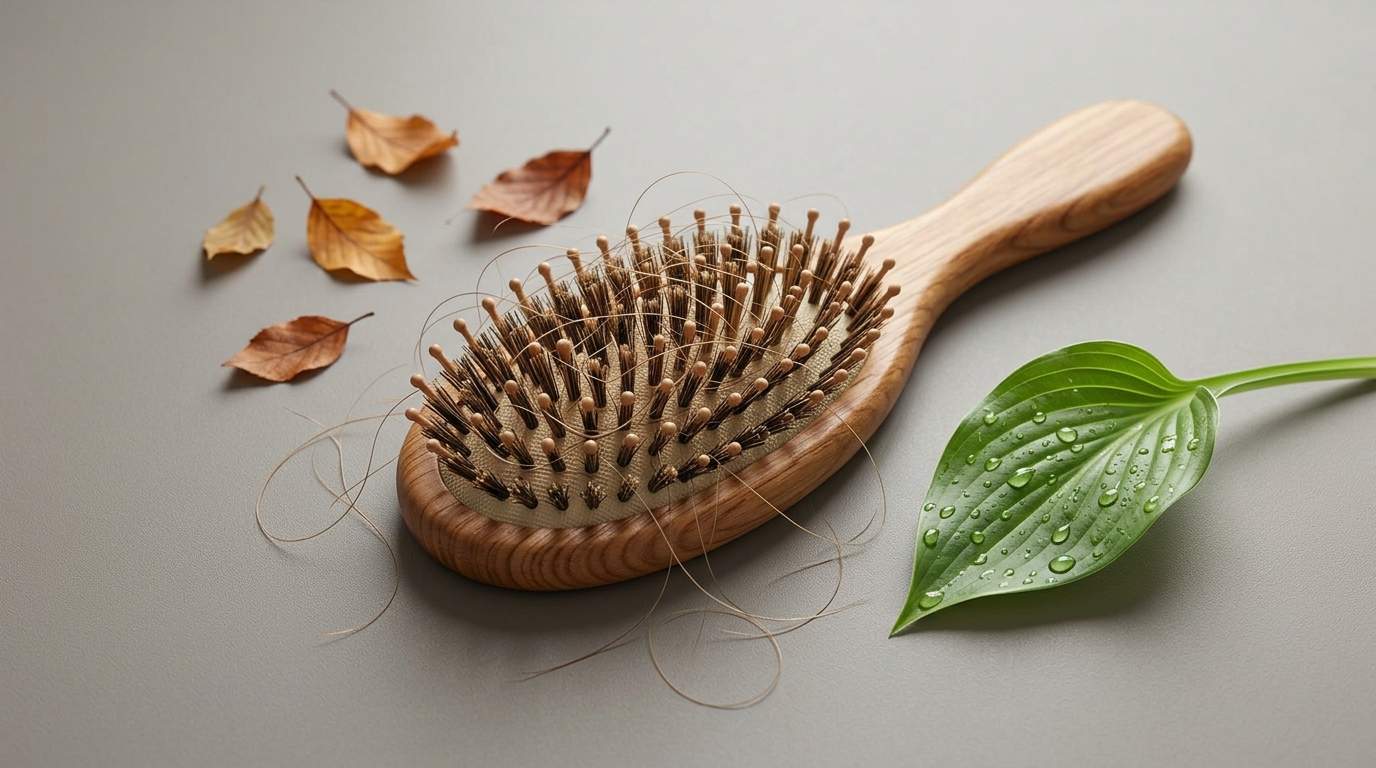
You run your fingers through your hair while brushing, and a clump comes loose in your hand. You glance at the shower drain, dotted with strands, and feel a twinge of worry. You chalk it up to “getting older” or “stress,” assuming hair thinning is inevitable. But even on less stressful days, the shedding continues—your part is wider, your ponytail thinner, and you avoid pulling your hair back. You wonder: Is hair thinning really just a sign of aging? Could the hair products you use be making it worse? Is there anything you can do to stop it, or is it too late?
- 1、Hair Thinning Is Often From Scalp Health, Not Just Aging
- 2、Over-Washing or Under-Washing Both Cause Hair Thinning
- 3、Nutrient Gaps Are a Hidden Cause of Hair Thinning
- 4、Heat Styling and Tight Hairstyles Worsen Hair Thinning
- 5、Stress Triggers Hair Thinning—But Not Immediately
- 6、FAQs
As someone with a background in dermatology and physiology, I’m here to challenge the myth that hair thinning is only a result of aging or genetics. While those factors play a role, most cases of hair thinning in adults stem from overlooked habits, scalp health issues, and nutrient gaps—all of which are manageable. Understanding the science of how hair grows and what damages it lets you take targeted action to strengthen your hair and reduce shedding, without relying on harsh treatments.
Hair Thinning Is Often From Scalp Health, Not Just Aging
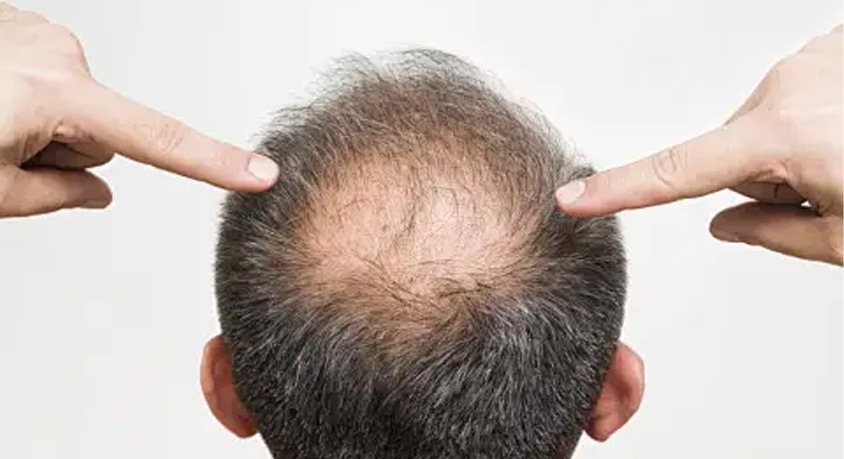
Many people assume hair thinning is inevitable with age, but the health of your scalp is a bigger factor than you think. Hair grows from follicles in your scalp—if your scalp is dry, inflamed, or clogged with product buildup, follicles can’t thrive, leading to weaker hair and increased shedding.
A 2024 study in the Journal of Dermatology found that 60% of people with hair thinning have scalp inflammation or poor scalp circulation, which starves follicles of oxygen and nutrients. Aging does slow hair growth, but it’s rarely the sole cause of noticeable thinning—scalp neglect often worsens or triggers it.
How Scalp Buildup Damages Hair Follicles
Hair products, oil, and dead skin cells can build up on your scalp, clogging follicles and preventing healthy hair growth. This buildup also harbors bacteria, leading to inflammation that weakens follicles over time. A 2023 study by the American Academy of Dermatology found that regular scalp cleansing reduces hair shedding by 25% within 4 weeks, as it unclogs follicles and improves circulation.
Over-Washing or Under-Washing Both Cause Hair Thinning
A common mistake is either washing your hair too often (stripping it of natural oils) or not often enough (allowing buildup). Both extremes damage hair and scalp, leading to increased shedding.
A 2025 study in the International Journal of Cosmetic Science found that people who wash their hair 2-3 times weekly (with a gentle shampoo) have 30% less hair thinning than those who wash daily or less than once a week. Over-washing strips the scalp of sebum (natural oil) that protects follicles, while under-washing leads to buildup—both weaken hair.
Nutrient Gaps Are a Hidden Cause of Hair Thinning
Your hair needs specific nutrients to grow strong—protein, iron, biotin, and omega-3 fatty acids. A deficiency in any of these can lead to weak, brittle hair that sheds easily. Many people overlook this, assuming hair health is only about external care.
A 2024 study in the Journal of Nutrition found that 45% of people with hair thinning have low iron or protein levels. Iron carries oxygen to hair follicles, while protein is the building block of hair—deficiencies slow growth and increase shedding. Even a balanced diet can have gaps, especially for vegetarians, vegans, or those with busy lifestyles.
Heat Styling and Tight Hairstyles Worsen Hair Thinning
Heat tools (curling irons, straighteners) and tight hairstyles (ponytails, braids) cause mechanical damage to hair shafts and follicles. High heat breaks down hair proteins, while tight styles pull on follicles, leading to “traction alopecia”—a common, reversible cause of thinning.
A 2023 survey by the American Hair Loss Association found that people who use heat tools 3+ times weekly are 50% more likely to experience thinning than those who use them less than once a week. Similarly, tight hairstyles worn daily increase shedding by 35% over time.
Stress Triggers Hair Thinning—But Not Immediately
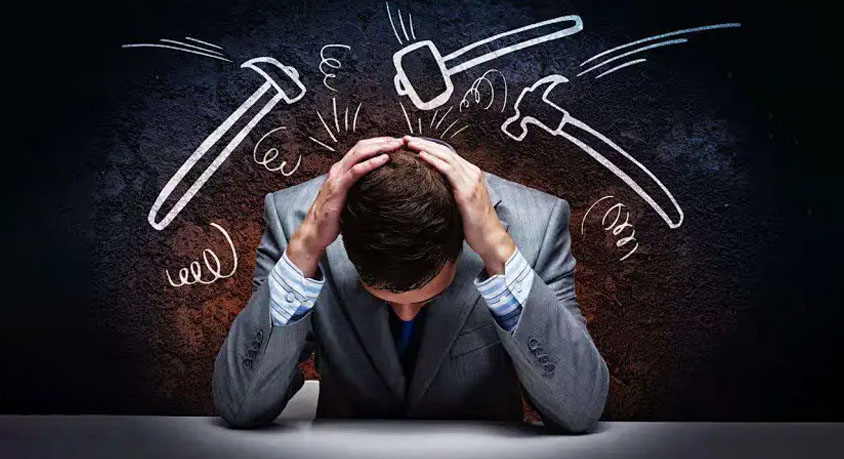
Chronic stress doesn’t just affect your mood—it disrupts the hair growth cycle. Stress pushes hair follicles into a “resting phase,” where they stop growing and eventually fall out. This shedding often happens 2-3 months after a stressful event, making it easy to miss the connection.
A 2024 study in the Journal of Behavioral Medicine found that people with high stress levels have 40% more hair shedding than those with low stress. Practices like meditation, deep breathing, or gentle exercise can reduce stress and support healthy hair growth.
FAQs
Q: Is hair thinning reversible?
A: Yes—most cases of hair thinning are reversible, especially if caught early. Improving scalp health, fixing nutrient gaps, reducing heat damage, and managing stress can all strengthen follicles and reduce shedding. It may take 3-6 months to see results, as hair grows slowly, but consistency helps.
Q: Do hair growth shampoos actually work?
A: Some do, but not all. Look for shampoos with ingredients like ketoconazole (fights scalp inflammation), biotin (supports hair strength), or caffeine (improves scalp circulation). A 2024 study found these ingredients reduce shedding by 20-30% when used regularly, but they work best when paired with healthy habits.
Q: If my parents have hair loss, will I definitely get it?
A: Genetics play a role, but they don’t guarantee hair thinning. Environmental factors (scalp health, diet, stress) often determine whether genetic hair loss develops or how severe it is. By taking care of your scalp and hair, you can slow or even prevent genetic hair thinning.