You’re halfway through your workday, your stomach growls, and you reach for the nearest snack— a candy bar, a bag of chips, or a sugary granola bar. It tastes good in the moment, but 30 minutes later, you’re even hungrier, your energy crashes, and you’re struggling to focus. You start to realize that not all snacks are created equal—some leave you feeling energized, while others leave you worse off than before.
- 1、The Wrong Snacks Cause Energy Crashes
- 2、Mindless Snacking Leads to Overeating
- 3、Timing Your Snacks Matters
- 4、Easy, Healthy Snack Ideas for Every Occasion
- 5、FAQs
Snacking often gets a bad reputation, but it’s actually an important part of a healthy diet. It keeps your blood sugar stable, prevents extreme hunger that leads to overeating at meals, and provides your body with a steady stream of energy. The problem isn’t snacking itself—it’s choosing the wrong snacks and eating them mindlessly. Let’s explore how to snack smarter, why some snacks fail, and how to pick options that nourish your body and keep you feeling full.
The Wrong Snacks Cause Energy Crashes
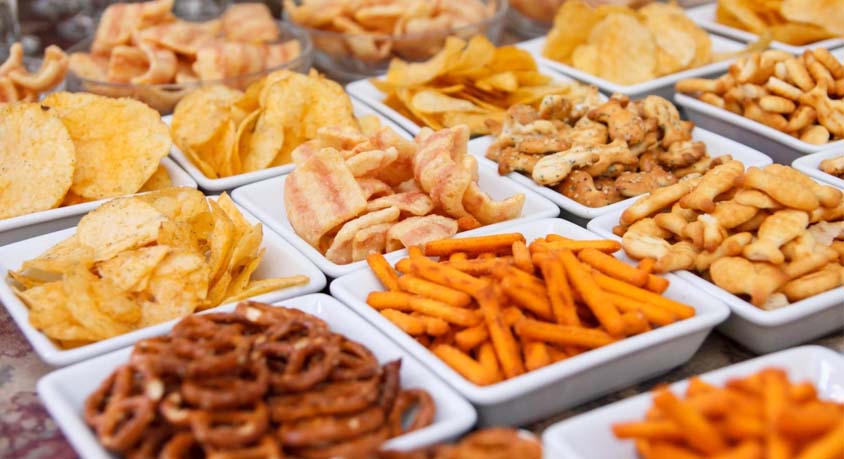
Snacks high in added sugar, refined carbs, and unhealthy fats—like candy, chips, and pastries—give you a quick burst of energy, but it doesn’t last. These snacks spike your blood sugar rapidly, then cause it to drop just as quickly, leaving you feeling tired, irritable, and hungry again.
A 2022 study published in the Journal of Nutrition Education and Behavior found that people who snacked on sugary or processed foods had 25% lower energy levels in the afternoon compared to those who chose healthy snacks. Over time, frequent consumption of these snacks can also lead to weight gain, increased cravings, and even blood sugar imbalances.
Choose Snacks That Balance Protein, Fiber, and Healthy Fats
The best snacks combine protein, fiber, and healthy fats—three nutrients that keep you full, stabilize blood sugar, and provide sustained energy. Protein (like nuts, Greek yogurt, or hard-boiled eggs) helps build and repair tissues, fiber (like fruits, vegetables, or whole grains) slows digestion, and healthy fats (like avocados or nut butters) keep you satisfied longer.
A simple rule of thumb: every snack should have at least two of these three nutrients. For example, apple slices with almond butter (fiber + healthy fat), Greek yogurt with berries (protein + fiber), or carrot sticks with hummus (fiber + protein).
Mindless Snacking Leads to Overeating
Many of us snack out of boredom, stress, or habit—not because we’re truly hungry. We eat while watching TV, scrolling through our phones, or working, and before we know it, we’ve eaten an entire bag of chips without even realizing it. This mindless eating adds extra calories and leaves us feeling unsatisfied.
A 2023 survey by the American Heart Association found that 70% of people snack mindlessly at least once a day, and these unplanned snacks account for 20-30% of their daily calorie intake. Being mindful about snacking—paying attention to hunger cues and eating slowly—helps you avoid overeating and choose snacks that truly nourish your body.
Timing Your Snacks Matters
Snacking at the right time can keep your energy levels steady and prevent extreme hunger. The best time to snack is 2-3 hours after a meal, when your blood sugar starts to drop. This keeps you from getting ravenous and making poor food choices at your next meal.
Avoid snacking too close to bedtime—eating within an hour of going to bed can disrupt sleep by increasing digestion and blood sugar. If you’re hungry before bed, choose a small, light snack, like a handful of nuts or a cup of warm milk, to avoid discomfort.
Easy, Healthy Snack Ideas for Every Occasion
Healthy snacking doesn’t have to be complicated—here are simple, portable options that fit into any lifestyle:
- Fresh fruit (apple, banana, berries) with a tablespoon of nut butter.
- Greek yogurt (unsweetened) with a sprinkle of granola and fruit.
- Veggie sticks (carrots, celery, bell peppers) with hummus or guacamole.
- A small handful of mixed nuts (almonds, walnuts, cashews) and dried fruit.
- Hard-boiled eggs with a slice of whole-grain toast.
FAQs
Q: Can snacking help with weight management?
A: Yes! Healthy snacking prevents extreme hunger, which can lead to overeating at meals. Choosing nutrient-dense snacks that keep you full can help you maintain a healthy weight.
Q: Are all granola bars healthy?
A: No—many granola bars are high in added sugar and refined carbs. Look for bars with whole grains, nuts, and little to no added sugar, or make your own at home.
Q: How much should I eat for a snack?
A: Snacks should be 100-200 calories, enough to tide you over until your next meal without making you feel stuffed. Pay attention to your hunger cues—if you’re still hungry after a snack, you may need a slightly larger portion or a different combination of nutrients.