Midlife is frequently framed as a period of crisis—a panicked sprint against time. Yet, this narrative overlooks a profound biological truth. The decades between 40 and 60 are not a cliff’s edge but a critical ridge, offering a final, clear vantage point to survey the path behind and, more importantly, to choose the route ahead. This period is a physiological inflection point where lifestyle patterns solidify into measurable metrics: blood pressure, blood sugar, lipid profiles. These numbers are far more than health scores; they are direct diagnostics of your brain's future environment. This era is less a crisis and more a decisive window for midlife cognitive decline prevention—a powerful opportunity to implement habits that will define your cognitive vitality for the next three decades.
- 1、The Midlife Inflection Point: A Critical Window for Brain Health Optimization
- 2、The Fundamental Link: How Heart Health Directly Determines Brain Function
- 3、Confronting Metabolic Risk: Strategic Focus on Reducing Type 2 Diabetes Risk
- 4、The Modern Accelerant: Mastering Essential Midlife Stress Management Techniques
- 5、Your Actionable Protocol: Four Non-Negotiable Habits for Midlife Cognitive Decline Prevention
- 6、Reframing the Journey: From Crisis to Strategic Empowerment
- 7、FAQs
The Midlife Inflection Point: A Critical Window for Brain Health Optimization
The brain in midlife is undergoing pivotal changes. While neuroplasticity remains, the cumulative impact of vascular and metabolic health becomes paramount. This is the decade where subclinical damage from unmanaged hypertension for brain health or insulin resistance can silently accumulate, setting a trajectory for future decline. Conversely, it is also the period where interventions have the greatest long-term leverage. A pivotal report in The Lancet identified that addressing modifiable risk factors in midlife could prevent or delay up to 40% of dementia cases. This makes proactive midlife cognitive decline prevention the single most impactful investment you can make in your future self.
The Fundamental Link: How Heart Health Directly Determines Brain Function
The cornerstone of midlife cognitive decline prevention is the inseparable heart health and brain function connection. Your brain is nourished by a vast, delicate network of blood vessels; their health is non-negotiable.
Hypertension: The Silent Threat to Neural Networks: Chronically high blood pressure acts like a corrosive force on cerebral vasculature. It weakens vessel walls (increasing risk of micro-strokes), promotes inflammation, and can disrupt the blood-brain barrier. Proactively managing hypertension for brain health is a direct defense of your cognitive infrastructure. Regular tracking with a home blood pressure monitor provides essential, actionable data.
Atherosclerosis and Cholesterol: Plaque buildup in arteries restricts vital blood flow, starving neurons of oxygen and nutrients, thereby accelerating cognitive aging.

Confronting Metabolic Risk: Strategic Focus on Reducing Type 2 Diabetes Risk
Metabolic health is inextricably linked to cardiovascular and cognitive outcomes. Insulin resistance and hyperglycemia create a toxic environment for neurons.
The Neurotoxic Effects of High Blood Sugar: Chronic elevated glucose drives systemic inflammation and the formation of advanced glycation end products (AGEs), which can damage cellular structures in the brain. Therefore, reducing type 2 diabetes risk is a core strategy for brain preservation.
Proactive Monitoring and Management: Understanding your metabolic baseline is key. For those with risk factors, using a blood glucose meter to see post-meal responses can inform powerful dietary adjustments, turning food into a protective tool.
The Modern Accelerant: Mastering Essential Midlife Stress Management Techniques
The unique pressures of midlife—career demands, financial planning, family care—create a perfect storm for chronic stress, which has direct neurobiological consequences.
Cortisol, the Hippocampus, and Cognitive Load
Sustained high cortisol levels are proven to impair the hippocampus (critical for memory) and reduce prefrontal cortex function (essential for focus and decision-making). Effective midlife stress management techniques are thus a form of cognitive maintenance.
Building Resilience Through Routine
The goal is systematic down-regulation. This goes beyond occasional relaxation to include daily practices that actively reset the nervous system. Utilizing a guided meditation app subscription for consistent practice or scheduling digital detox periods can significantly lower the cognitive burden of chronic stress.
Your Actionable Protocol: Four Non-Negotiable Habits for Midlife Cognitive Decline Prevention
Knowledge must translate into consistent action. Here is a consolidated protocol for your midlife cognitive decline prevention plan.
1. Quantify and Monitor Your Vital Metrics: Partner with your healthcare provider for annual checks. Know and track your blood pressure, HbA1c, and cholesterol. Treat borderline numbers with serious lifestyle intervention.
2. Adopt a Neuroprotective Dietary Pattern: Emphasize the Mediterranean or MIND diet. Prioritize leafy greens, berries, nuts, legumes, and omega-3-rich fish. This pattern directly supports heart health and brain function and aids in reducing type 2 diabetes risk.
3. Commit to Dual-Modality Exercise:
Aerobic Exercise: Aim for 150+ minutes per week of moderate activity (e.g., brisk walking, swimming) to enhance cardiovascular and cerebral blood flow.
Resistance Training: Incorporate strength training 2-3 times weekly to maintain muscle mass, crucial for metabolic health and overall resilience.
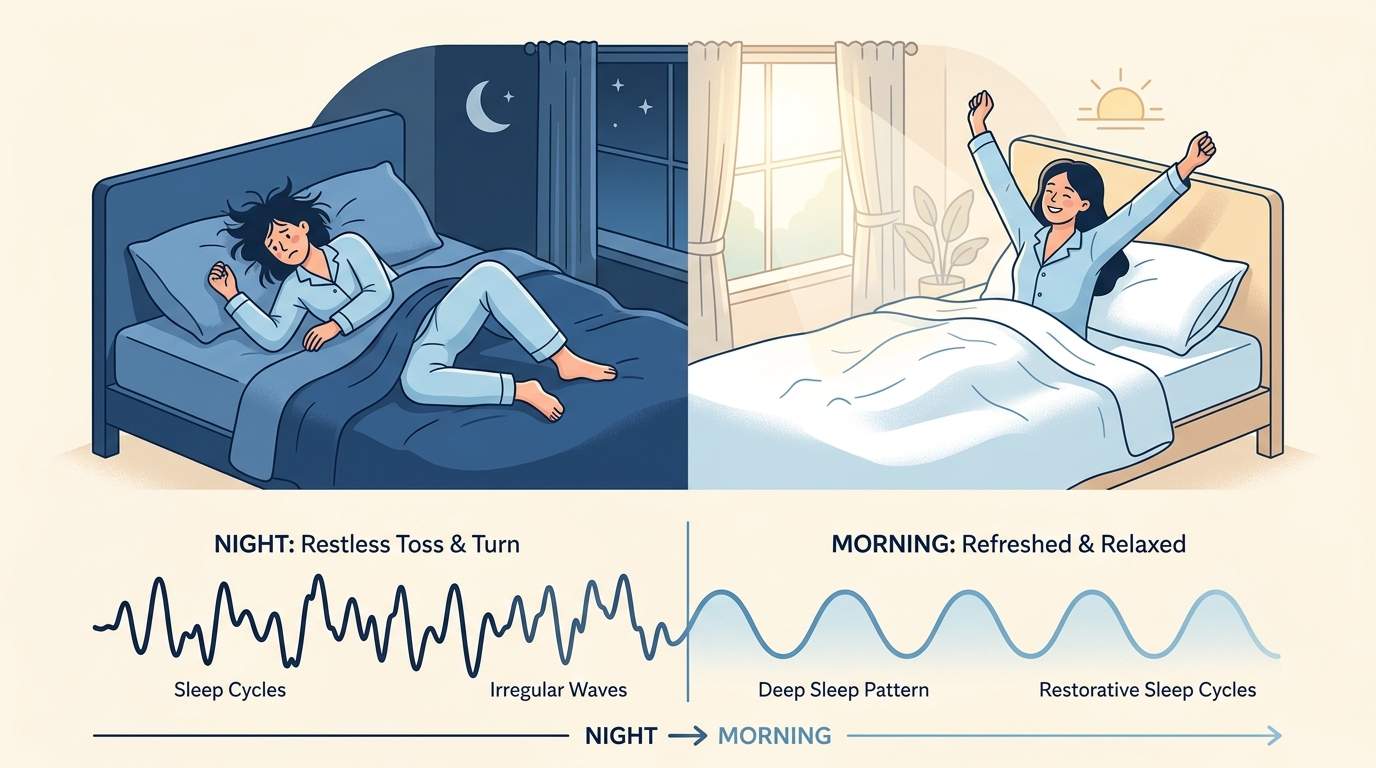
4. Institutionalize Recovery and Stress Management: Treat midlife stress management techniques with the same priority as physical training. This could be 20 minutes of daily mindfulness, nature immersion, or strict sleep hygiene. Protect your recovery time as a non-negotiable appointment.
Reframing the Journey: From Crisis to Strategic Empowerment
The "midlife crisis" is a narrative of reaction and loss. The midlife cognitive decline prevention mindset is one of agency and strategic empowerment. This decade provides a powerful, finite window where your choices have an outsized impact on your long-term cognitive trajectory. By diligently managing hypertension for brain health, focusing on reducing type 2 diabetes risk, and mastering midlife stress management techniques, you are not merely slowing decline. You are actively constructing a foundation for a future defined by sustained mental clarity, engagement, and vitality.
FAQs
Q: I have a family history of Alzheimer's. Do midlife habits really make a difference, or is my fate predetermined?
A: While genetics influence risk, they do not dictate destiny, especially for late-onset dementia. Midlife cognitive decline prevention habits are precisely how you modify your genetic expression. The modifiable risk factors—hypertension for brain health, metabolic syndrome, and chronic stress—are the primary pathways through which genetic risks manifest. By aggressively managing these, you build cognitive reserve, potentially delay onset for many years, and promote a healthier brain environment. Your family history is not a sentence; it is a compelling reason to adopt these preventative habits with greater diligence.
Q: I'm already in my late 50s/early 60s. Have I missed the window to make a difference for my brain health?
A: It is absolutely not too late. The brain retains a lifelong capacity for plasticity and response to positive change. While starting earlier has compounding benefits, significant research shows that improving cardiovascular health, managing blood sugar, and reducing stress at any age can improve cognitive function and slow further decline. The most impactful day to start is today. Focusing on heart health and brain function through the habits outlined will yield benefits for your current well-being and future resilience.