Our modern existence is characterized by an abundance of calories and a scarcity of metabolic pauses. From dawn to dusk, and often into the night, our digestive systems are in near-constant operation. This pattern, while culturally normal, is evolutionarily novel. For millennia, our ancestors cycled regularly between feasting and fasting, and emerging science suggests our brains may have evolved not just to cope with these cycles, but to potentially thrive because of them. This raises a profound question: could strategically reintroducing a period of metabolic rest—through practices like intermittent fasting—serve as a form of maintenance for the most complex organ in our body? The inquiry moves beyond weight management into the realm of cognitive function and neurological resilience, centered on a fascinating cellular process called autophagy.
E.g. :Dry Skin Isn’t Just “Dehydration”—Here’s How to Fix It for Good
- 1、The Cellular Housekeeping Mechanism: Understanding Brain Autophagy Through Fasting
- 2、Metabolic Switching: From Glucose to Ketones as a Clean Brain Fuel
- 3、Popular Intermittent Fasting Protocols and Their Neurological Applications
- 4、Important Considerations and Contraindications for Fasting Safely
- 5、Integrating Fasting with a Brain-Supportive Lifestyle for Optimal Results
- 6、A Measured Perspective on Fasting as a Cognitive Tool
- 7、FAQs
The Cellular Housekeeping Mechanism: Understanding Brain Autophagy Through Fasting
Autophagy, derived from Greek words meaning "self-eating," is the body's intrinsic recycling and repair program. During periods of nutrient scarcity, cells systematically break down old, damaged, or dysfunctional components—misfolded proteins, worn-out mitochondria—and reuse the raw materials. In the brain, the efficient clearance of this cellular debris is paramount. The accumulation of toxic protein aggregates, like amyloid-beta and tau, is a hallmark of neurodegenerative disease. Brain autophagy fasting is theorized to enhance this crucial clearance process. Research in animal models, such as a notable study published in Nature, has demonstrated that fasting or caloric restriction can upregulate autophagy pathways in neural cells, potentially slowing the progression of pathologies associated with brain aging.
Metabolic Switching: From Glucose to Ketones as a Clean Brain Fuel
The primary intermittent fasting benefits for the brain extend beyond waste removal to encompass fuel optimization. After 12-16 hours without food, as liver glycogen stores deplete, the body begins to produce ketone bodies from stored fat.
Ketones as a Superior Neurological Fuel Source Ketones are not just an alternative energy substrate; they are a more efficient and cleaner-burning fuel for neurons. They generate fewer reactive oxygen species (free radicals) compared to glucose metabolism and have been shown to enhance mitochondrial function. This metabolic shift to ketones brain fuel is associated with improved cognitive clarity, focus, and stability in many individuals, as it provides a steady energy source that avoids the spikes and crashes of a glucose-dependent system.

Reducing Insulin Resistance for Brain Health
Chronic high insulin levels (hyperinsulinemia) can impair the brain's ability to use glucose and are linked to inflammation and reduced plasticity. Intermittent fasting improves insulin resistance brain health by giving the pancreas a rest and increasing insulin sensitivity. This is crucial, as the brain is an insulin-sensitive organ, and optimal insulin signaling is involved in memory formation and synaptic maintenance.
Popular Intermittent Fasting Protocols and Their Neurological Applications
The term "intermittent fasting" encompasses several time-restricted eating patterns. Their application for fasting for cognitive function should be personalized and gradual.
The 16:8 Method (Time-Restricted Feeding)
This involves consuming all daily calories within an 8-hour window (e.g., noon to 8 p.m.) and fasting for the remaining 16 hours. This is often the most sustainable entry point, consistently allowing the body to enter a fasted state long enough to initiate brain autophagy fasting and ketone production on a daily basis.
The 5:2 Protocol
This involves eating normally for five days of the week and restricting calories to about 500-600 on two, non-consecutive days. This pattern may trigger a more pronounced autophagic and metabolic response on low-calorie days, but requires careful nutritional planning to ensure adequate nutrient intake.
Important Considerations and Contraindications for Fasting Safely
The potential intermittent fasting benefits must be weighed against individual physiology and lifestyle. It is not a universal tool.
Individuals Who Should Avoid or Proceed with Extreme Caution: Those with a history of eating disorders, pregnant or breastfeeding women, individuals with type 1 diabetes or advanced type 2 diabetes, and those with clinically low body weight should not undertake fasting without direct medical supervision. The brain requires consistent energy during critical developmental and physiological states.
Listening to the Body's Signals: Initial side effects like hunger, irritability, or headaches are common as the body adapts. However, persistent brain fog, extreme fatigue, dizziness, or disrupted sleep are signs the protocol may be too aggressive or ill-suited. Hydration is critical; using a smart water bottle to track intake can be helpful. The goal is enhanced mental clarity, not impaired function.
Integrating Fasting with a Brain-Supportive Lifestyle for Optimal Results
Fasting for cognitive function is not a standalone miracle but one component of a holistic neuroprotective lifestyle. Its effects are synergistic with other habits.
Nutritional Quality in the Eating Window: "Breaking a fast" with highly processed, sugary foods negates the metabolic benefits. Focus on whole, nutrient-dense foods: healthy fats (avocado, olive oil), quality proteins, and fibrous vegetables. A food scale can aid in mindful portioning and ensuring adequate protein intake to preserve muscle mass.
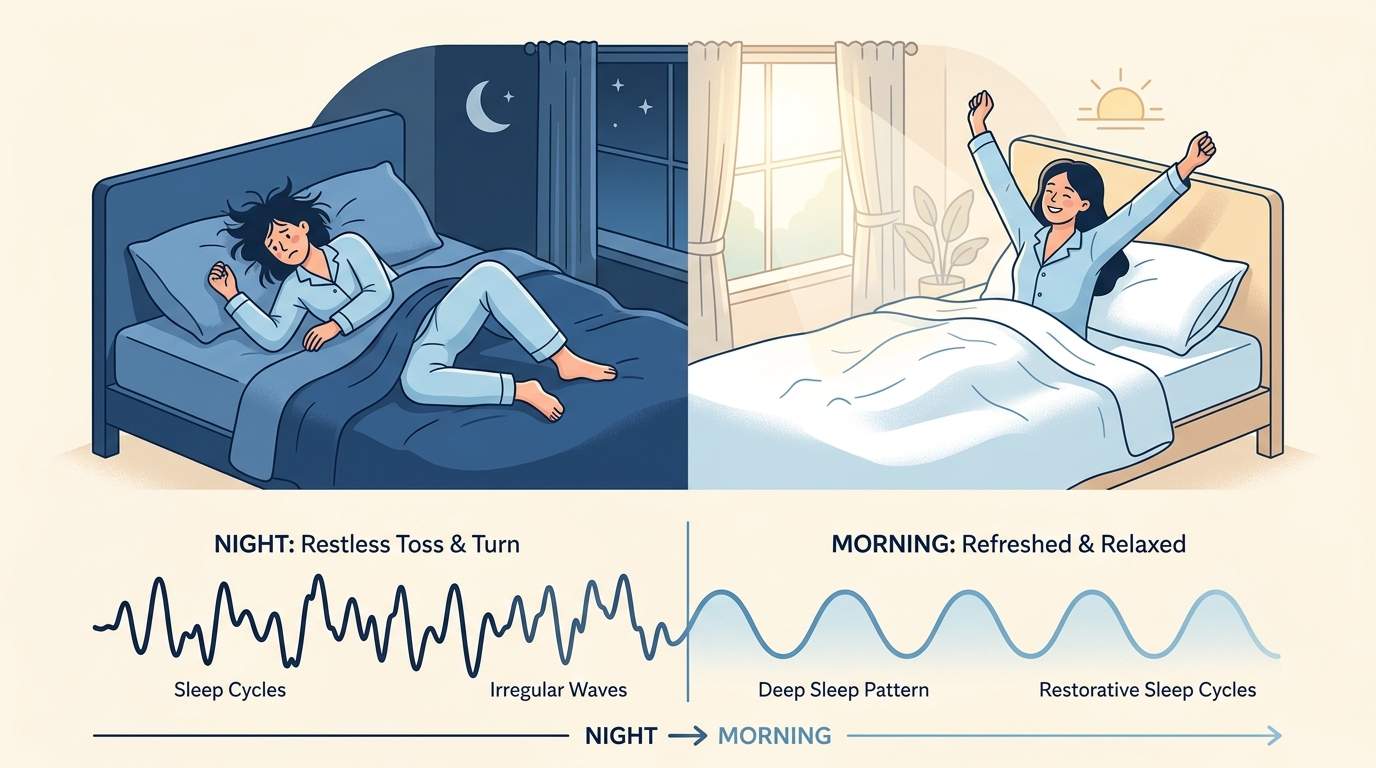
Stress Management and Sleep Synergy: Fasting is a mild physiological stressor (hormetic stress). Combining it with high psychological stress can be counterproductive. Practices that activate the parasympathetic nervous system—such as using a meditation app subscription—are essential companions to fasting. Likewise, prioritizing deep, restorative sleep is when much of the brain's repair and memory consolidation occurs, complementing the daytime fasting cycle.
A Measured Perspective on Fasting as a Cognitive Tool
The relationship between intermittent fasting and brain health is a promising frontier, not an established prescription. It represents a return to a metabolic rhythm that may be more aligned with our biology, potentially activating ancient pathways for cellular renewal and metabolic efficiency in the brain. The most prudent approach is one of cautious self-experimentation, guided by quality science and attuned to one's unique physiological responses. For some, it may unlock a new level of mental clarity and resilience; for others, it may be unnecessary or unsuitable. The key is to prioritize the brain's long-term health over any short-term dietary trend.
FAQs
Q: I get bad headaches and "brain fog" when I try to skip breakfast. Does this mean intermittent fasting isn't for me?
A: Not necessarily. These symptoms often indicate your body is struggling with the metabolic transition from burning glucose to utilizing fat and ketones, sometimes referred to as the "low-carb flu." It can also be a sign of dehydration or electrolyte imbalance. Ensure you are drinking plenty of water with electrolytes (like sodium, potassium, and magnesium) during your fasting window. Starting with a shorter fast (12-14 hours) and gradually increasing the duration over weeks can allow your metabolism to adapt more smoothly. If symptoms persist, consult a healthcare professional to rule out other causes.
Q: Can intermittent fasting help prevent Alzheimer's disease?
A: While no intervention can guarantee prevention, the mechanisms of intermittent fasting—enhancing brain autophagy fasting, improving insulin resistance brain health, and providing ketones brain fuel—theoretically target several key pathways implicated in Alzheimer's pathology (protein aggregation, metabolic dysfunction, inflammation). Compelling preclinical research in animal models supports this idea, but large-scale, long-term human trials are still needed. Currently, it can be considered a potentially powerful component of a multi-faceted, brain-healthy lifestyle that also includes cardiovascular exercise, cognitive stimulation, and social engagement, all aimed at building cognitive reserve.