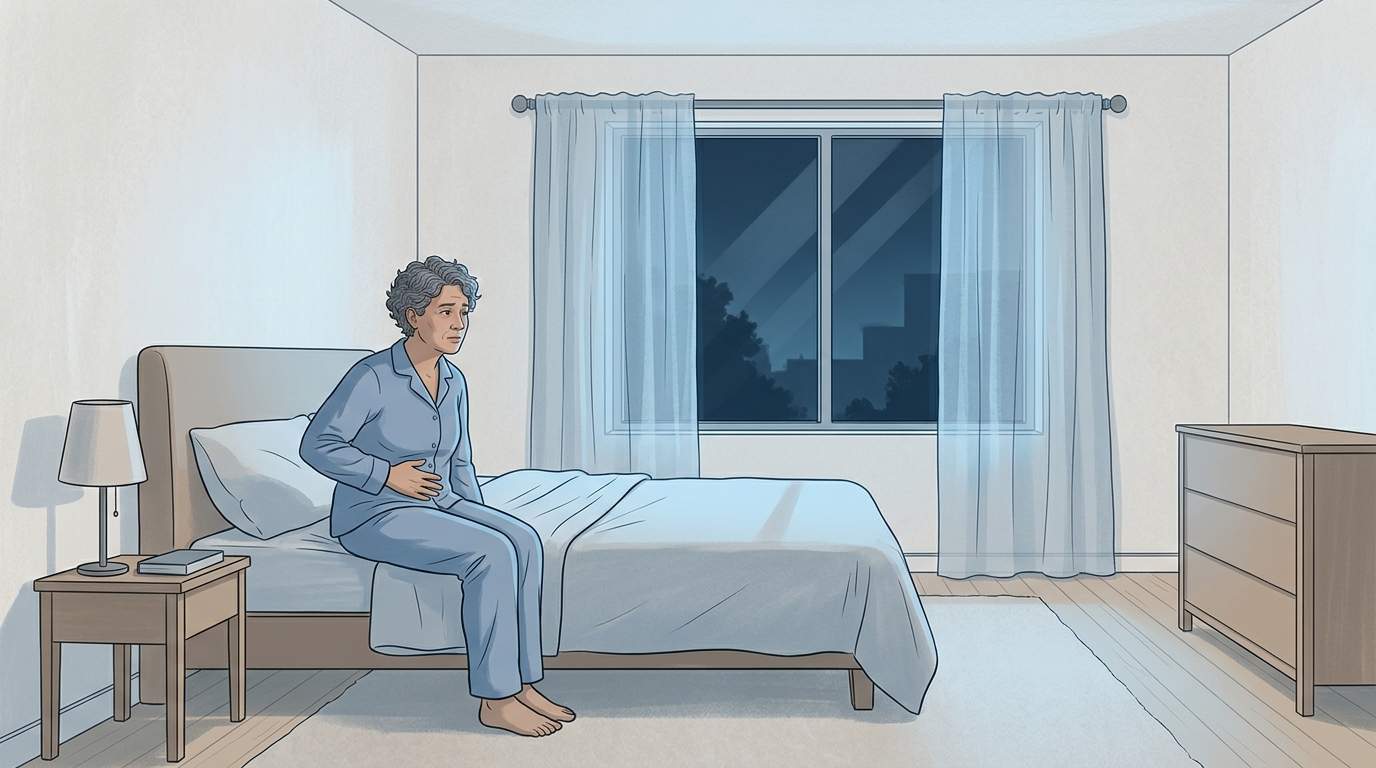
For years, I thought of sleep as little more than a biological inconvenience—the daily downtime my body demanded before I could get back to the things that truly mattered. As a researcher juggling physics and philosophy, I wore my late nights like a badge of intellectual honor. Then came the morning I couldn’t remember my own coffee order, followed by a week of snapping at colleagues over trivial errors. That was my wake-up call. Not a dramatic collapse, but a quiet erosion of clarity and patience. It forced me to ask a question I’d never seriously considered: What if sleep isn’t passive rest, but an active, intelligent process that shapes everything from our mood to our metabolism?
- 1、The Hidden Architecture of Rest: Why Sleep Hygiene Is More Than a Buzzword
- 2、Circadian Rhythm: Your Body’s Invisible Conductor
- 3、Insomnia Relief Through Cognitive Reframing, Not Just Counting Sheep
- 4、Deep Sleep: The Unsung Hero of Memory, Immunity, and Emotional Balance
- 5、Sleep Quality Improvement: Small Levers That Yield Massive Returns
- 6、How to Navigate Common Sleep Saboteurs with Compassion
- 7、FAQs
Over the past decade, sleep science has moved from the fringe to the forefront of public health. Yet many of us still treat sleep as negotiable. The reality, backed by data from the CDC and the National Sleep Foundation, is that one in three adults fails to get the recommended seven to nine hours nightly. Chronic short sleep—routinely getting less than six hours—is linked to a 48% increase in cardiovascular disease risk and a 33% higher likelihood of developing depression. These aren’t scare tactics; they’re signals that our relationship with rest needs a fundamental rethink. Let’s walk through the mechanics of sleep, not as a checklist of rules, but as a layered understanding of how your body naturally knows how to restore itself—and what accidentally blocks that process.
The Hidden Architecture of Rest: Why Sleep Hygiene Is More Than a Buzzword
Sleep hygiene often gets reduced to “no screens before bed.” While that’s part of it, the concept runs much deeper. Think of sleep hygiene as the cumulative set of environmental and behavioral conditions that either align or clash with your body’s internal timekeeper—the circadian rhythm. This rhythm isn’t a metaphor; it’s a molecular clock in the suprachiasmatic nucleus of your brain, fine-tuned by light exposure to regulate melatonin, cortisol, body temperature, and even digestion.
What Decades of Shift-Work Research Teach Us
A landmark study from the University of Colorado Boulder (2018) followed healthy adults for a week. Those exposed to only natural daylight and darkness saw their circadian rhythms shift nearly two hours earlier, improving sleep quality and morning alertness. Meanwhile, shift workers—who routinely fight their internal clocks—face a 40% higher lifetime risk of metabolic syndrome. The takeaway isn’t that modern life is doomed; it’s that small, consistent adjustments to our daily light diet can recalibrate the system. Sleep hygiene, then, is about reducing friction between your lifestyle and your biology.
Circadian Rhythm: Your Body’s Invisible Conductor
If you’ve ever felt groggy at 3 PM or oddly energetic at 10 PM, you’ve experienced your circadian rhythm at work. This roughly 24-hour cycle is genetically hardwired but heavily shaped by external cues—the strongest being light. Morning sunlight, specifically the blue-enriched wavelengths, signals your internal clock to suppress melatonin and raise cortisol (in a healthy, alertness-promoting way). Evening dimness, in turn, allows melatonin to rise.
The 10-Lux Threshold That Changes Everything
Research from Harvard Medical School shows that light exposure as low as 10 lux—about twice the brightness of a full moon—during the biological night can delay the circadian rhythm by 30 minutes. That’s why your bedside lamp, if it’s cool-white LED, might be quietly sabotaging your sleep. Practical fix? Use warm, dim lighting (under 3,000 Kelvin) after sunset. And consider blackout curtains to block early morning light from cutting your sleep short. For those who live in cities where streetlights bleed through, a silk sleep mask isn’t a luxury; it’s a circadian tool.
Insomnia Relief Through Cognitive Reframing, Not Just Counting Sheep
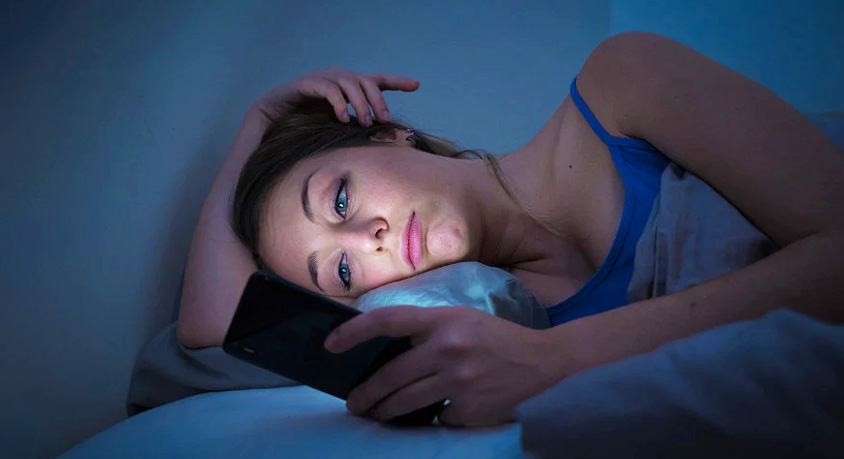
Insomnia is often framed as a battle against wakefulness. But the more you fight, the more your brain associates bed with frustration—a phenomenon called conditioned arousal. Clinical psychologist Dr. Gregg Jacobs, in his work at the University of Florida, notes that chronic insomniacs often spend more than 30 minutes lying awake, ruminating. The solution isn’t stronger willpower; it’s breaking the association.
The “15-Minute Rule” Backed by CBT-I
Cognitive Behavioral Therapy for Insomnia (CBT-I)—the gold-standard non-pharmacological treatment—introduces a simple protocol: if you haven’t fallen asleep after 20 minutes, get out of bed. Go to another room and do something quietly boring (reading a paper book, gentle stretching) until you feel sleepy again. This sounds counterintuitive, but it rewires the brain to see the bedroom as a place for sleep, not struggle. One 2019 meta-analysis of 20 studies found that CBT-I reduced insomnia severity by 57% on average, outperforming sleep medications at six-month follow-ups. For extra support during those out-of-bed moments, a white noise machine can provide a consistent, non-threatening soundscape that masks jarring background noises—reducing the likelihood of stress-induced waking.
Deep Sleep: The Unsung Hero of Memory, Immunity, and Emotional Balance
Not all sleep is equal. Deep sleep, or slow-wave sleep (SWS), is the stage where your brain literally cleans itself. The glymphatic system—a waste-clearance pathway discovered only in 2012—becomes ten times more active during SWS, flushing out beta-amyloid and tau proteins associated with neurodegenerative diseases. A single night of disrupted deep sleep can reduce your natural killer cell activity by 30%, leaving you more vulnerable to viruses.
Temperature as a Deep Sleep Switch
Your core body temperature must drop by about 1–2 degrees Fahrenheit to initiate and maintain deep sleep. That’s why a hot bath before bed (which raises skin temperature, then causes a rapid drop as you cool down) is so effective—it mimics the natural cooling signal. Conversely, a room that’s too warm (above 70°F or 21°C) can fragment SWS. Data from the Journal of Clinical Sleep Medicine suggests that keeping your bedroom between 65–68°F (18–20°C) improves deep sleep duration by up to 20%. Combine this with breathable bedding and a dark, quiet environment, and you’ve created a physiological invitation for restoration.
Sleep Quality Improvement: Small Levers That Yield Massive Returns
Most people chase sleep quantity, but sleep quality—the uninterrupted progression through light, deep, and REM cycles—matters equally. A person who sleeps eight fragmented hours may wake up more exhausted than someone who sleeps six solid hours. The key is to identify and remove “micro-arousals,” which are brief awakenings (often so short you don’t remember them) triggered by noise, temperature shifts, or even your own breathing patterns.
Three Evidence-Based Adjustments for Tonight
- Anchor your wake-up time, not your bedtime. The circadian rhythm responds most strongly to morning light. Wake at the same time daily (weekends included) for two weeks, and your bedtime will naturally stabilize. A 2022 study in Sleep found that consistent wake times improved sleep quality scores 2.5x more than consistent bedtimes.
- Use the 10-3-2-1 rule (popularized by Dr. Andrew Huberman but grounded in chronobiology): No caffeine 10 hours before bed, no large meals 3 hours before, no work 2 hours before, and no screens 1 hour before.
- Try acupressure mats or light stretching for 5 minutes before lying down. Research from the University of Arizona shows that gentle, non-cardio movement reduces sympathetic nervous system activity, lowering heart rate by an average of 8 beats per minute—a reliable bridge into sleep.
How to Navigate Common Sleep Saboteurs with Compassion
It’s important to say this: you are not failing at sleep. Our modern environment—24/7 blue light, work stress, irregular meal times—is engineered to override ancient biology. If you’ve tried “sleep hygiene lists” and still feel exhausted, that doesn’t mean you’re broken. It means you might need to look deeper, perhaps at sleep apnea, restless legs syndrome, or even late-day anxiety that isn’t loud enough to notice but persistent enough to raise cortisol.
One client I worked with (a nurse, naturally) believed she was a “bad sleeper” for years. After tracking her patterns, we realized she was drinking a small cup of black tea at 5 PM, convinced it had negligible caffeine. A black tea steeped for three minutes contains about 30 mg of caffeine—half a cup of coffee—with a six-hour half-life. By 11 PM, 15 mg of caffeine remained in her system, just enough to blunt her deep sleep. When she switched to rooibos, her overnight wake-ups dropped from four to one within a week. Small levers, enormous outcomes.
FAQs
Q: Is it possible to “catch up” on lost sleep over the weekend?
A: Partially, but with limitations. A 2019 study in Current Biology found that weekend catch-up sleep reduces some biomarkers of sleep deprivation, like daytime sleepiness. However, it does not fully reverse insulin sensitivity impairments or inflammation markers. Worse, sleeping in on Sunday can delay your circadian rhythm, leading to “social jetlag” and worsened Monday morning alertness. The most sustainable strategy is to prioritize consistency—even on weekends—and accept that no single night of recovery erases a week of deficit.
Q: What’s the single most effective change for someone with racing thoughts at bedtime?
A: Brain dumping. Keep a notepad by your bed and set aside 10 minutes before lights out to write down every worry, task, or idea on your mind. This isn’t journaling for catharsis; it’s an externalization process proven to reduce cognitive arousal. A 2018 study from Baylor University showed that participants who wrote detailed to-do lists fell asleep nine minutes faster than those who wrote about completed tasks. The act of transferring thoughts to paper signals your brain that they don’t need to be held in active memory, allowing the default mode network to quiet down.
Q: Can using a white noise machine every night become a dependency that harms natural sleep?
A: No, and the concept of “dependency” is often misunderstood. A white noise machine provides consistent, low-level auditory masking that prevents unpredictable noises (traffic, a partner’s snoring, a pet moving) from triggering arousal. Your brain does not become reliant on the sound itself; rather, the sound removes the disruptive variability. If you sleep better with it, you are simply restoring your natural sleep ability by removing an environmental stressor. That said, volume matters—keep it below 50 decibels (about the level of a quiet conversation) to avoid potential hearing or masking-related issues over years of use.