You stand up after sitting for an hour and feel a twinge in your knees, brush it off as “just getting older.” You skip stretching after a walk, thinking “it’s not necessary,” and ignore the stiffness in your hips when you wake up—dismissing it as a “minor ache.” You don’t realize these small discomforts are signs your mobility “capital” is eroding, much like letting a car sit unused until it rusts and breaks down.
- 1、Joint Stiffness and Aches: Warning Signs of Depleted Mobility Capital
- 2、Common Joint Care Myths: Wasting Mobility Capital Unknowingly
- 3、Building Mobility “Capital”: Simple, Low-Effort Habits
- 4、Gentle Exercise: The “Compound Interest” for Mobility Capital
- 5、When to “Reassess” Your Mobility “Portfolio”
- 6、FAQs
Your joints—knees, hips, wrists, ankles—are the foundation of your mobility, an asset that needs consistent care to stay strong. From a financial perspective, your joint cartilage, muscle support, and flexibility are your “mobility capital.” Every shortcut—skipping stretching, sitting too long, ignoring pain—is a withdrawal from this capital. Over time, these withdrawals lead to chronic joint pain, reduced mobility, and limited movement, just like neglecting maintenance leads to costly repairs.
Joint Stiffness and Aches: Warning Signs of Depleted Mobility Capital
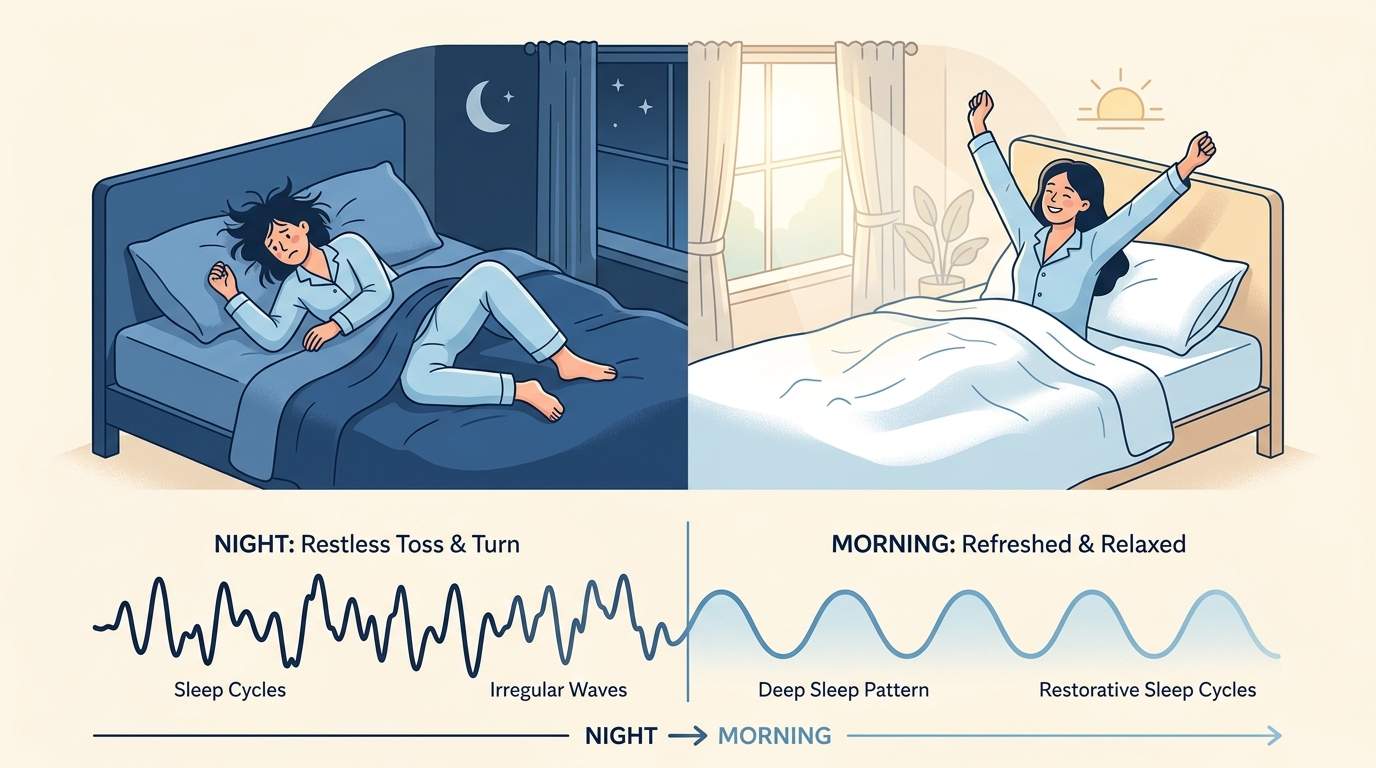
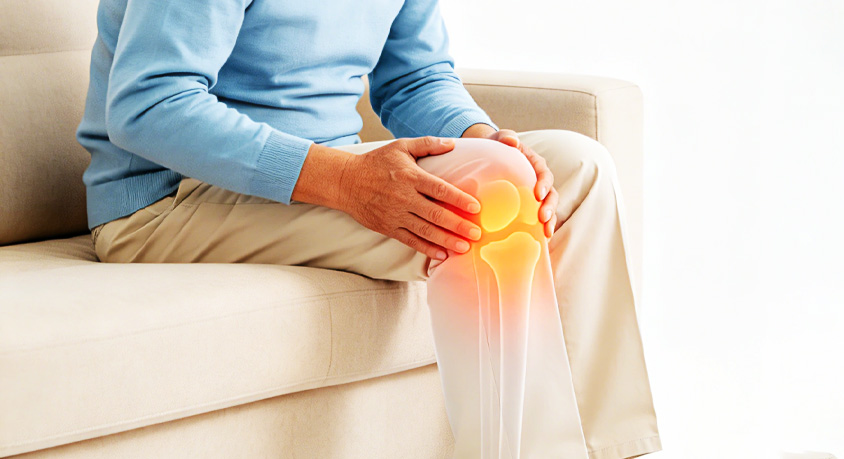
Many people write off joint stiffness as “normal aging,” but it’s often a sign your mobility capital is low. Aches after sitting, stiffness in the morning, or pain during simple movements are red flags that your joints need more care.
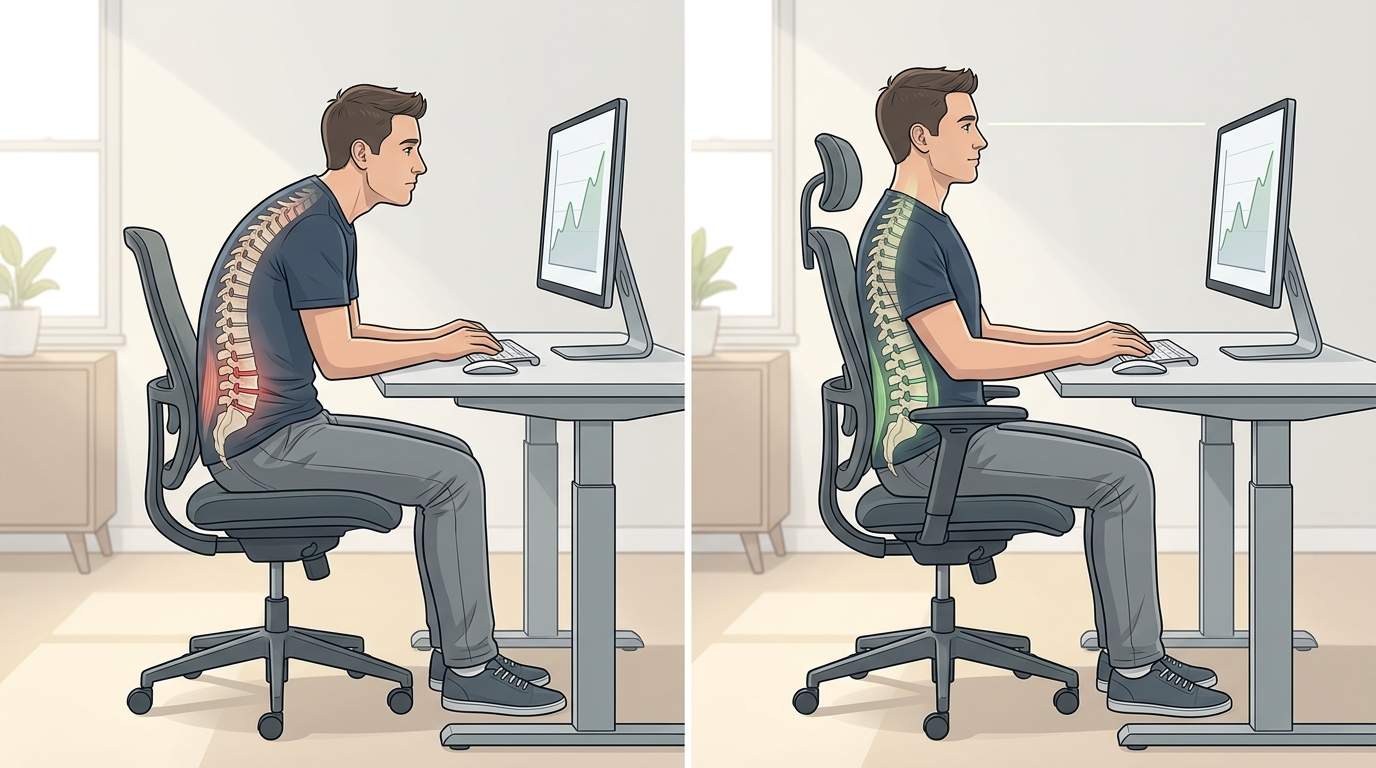
Tom, 42, a desk worker, noticed his lower back and knees ached after work but thought it was “just from sitting too long.” He kept skipping stretching, slouching at his desk, and avoiding gentle exercise—until climbing stairs became painful. What he didn’t know: his inaction was weakening the muscles that support his joints, depleting his mobility capital little by little.
Data from the Arthritis Foundation shows 54 million U.S. adults have joint pain, and 30% of cases are worsened by poor joint care habits. Joint stiffness isn’t inevitable—it’s a sign your mobility capital is being depleted faster than you can replenish it.
Why Sitting Too Long Damages Your Mobility “Investment”
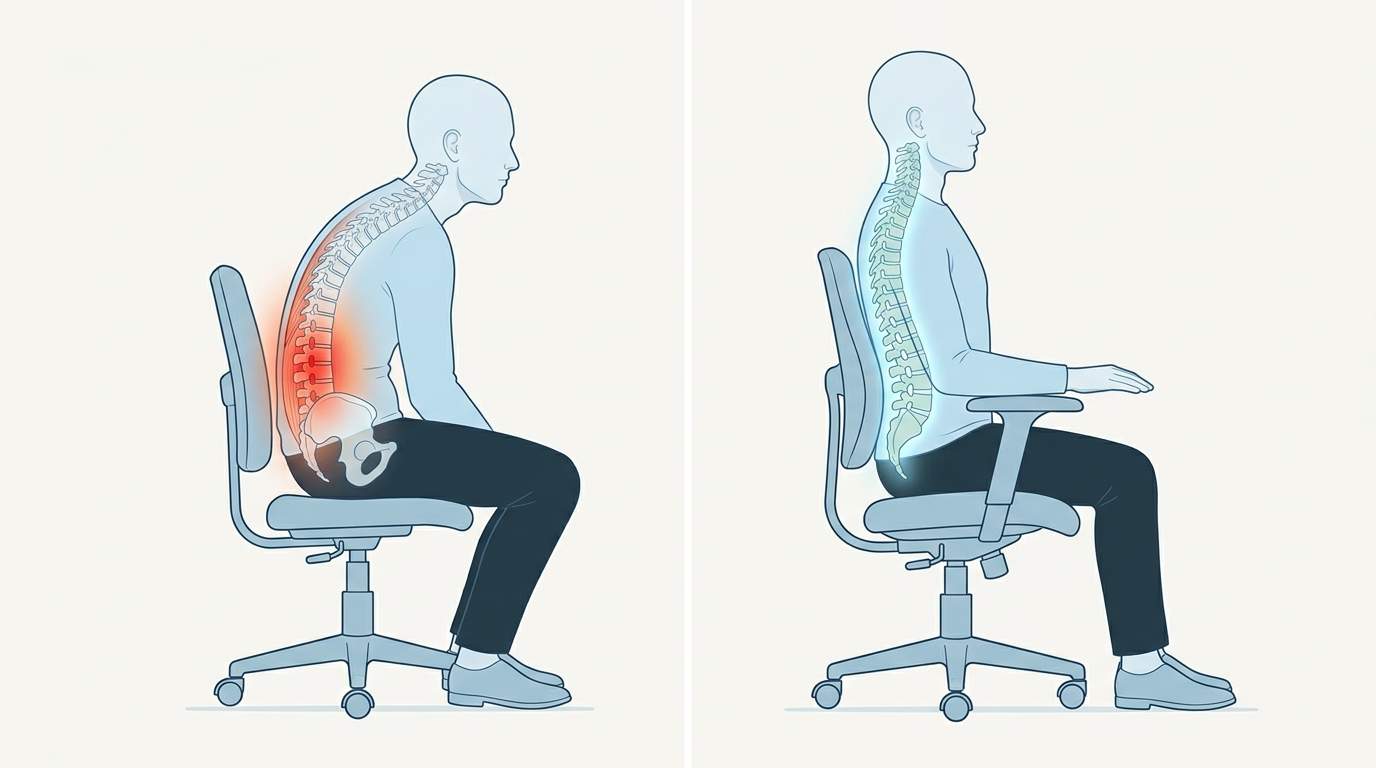
Sitting for hours at a time (a common habit for desk workers) is like letting an investment sit idle—your joints become stiff, cartilage weakens, and supporting muscles shrink. This erodes mobility capital by reducing flexibility and increasing joint strain.
The Arthritis Foundation confirms that prolonged sitting (over 6 hours a day) increases joint pain risk by 40%. Taking short breaks to move—even 2-3 minutes every hour—keeps joints lubricated and muscles active, a low-effort investment in preserving mobility capital.
Common Joint Care Myths: Wasting Mobility Capital Unknowingly
Just as bad financial myths lead to poor savings, joint care myths make us deplete mobility capital without realizing it. These myths sound logical but harm long-term joint health.
One myth: “Exercise hurts joints, so I should avoid it.” This is like avoiding investments for fear of loss—gentle exercise (walking, swimming, yoga) strengthens supporting muscles, protecting joints and growing mobility capital. High-impact exercise can be harmful, but low-impact movement is essential.
Another myth: “Joint pain is just part of getting older.” This is like accepting a declining portfolio as “normal”—aging affects joints, but poor care accelerates damage. The Arthritis Foundation says 80% of adults over 65 have no significant joint pain, thanks to consistent care.
Building Mobility “Capital”: Simple, Low-Effort Habits
You don’t need intense workouts or expensive equipment to build mobility capital—small, consistent habits deliver the best returns, like regular small savings growing over time.
Stretch daily: Focus on joints that feel stiff (knees, hips, shoulders) for 5-10 minutes. Gentle stretching improves flexibility, lubricates joints, and strengthens supporting muscles—like making regular deposits into your mobility capital.
Take movement breaks: Every hour, stand up, stretch, or walk around for 2-3 minutes. This prevents stiffness and keeps joints active, protecting your capital from depletion.
Use ergonomic support: An ergonomic cushion for sitting, or supportive shoes, reduces joint strain—like adding a safety net to your investments. It protects joints from unnecessary wear and tear.
Gentle Exercise: The “Compound Interest” for Mobility Capital
Gentle, low-impact exercise is the best way to grow mobility capital—it’s like compound interest, strengthening joints and muscles over time.
A study published in the Journal of Orthopaedic & Sports Physical Therapy found that 30 minutes of daily low-impact exercise reduces joint pain by 35% and improves mobility by 40%. Walking, swimming, or chair yoga are ideal—they strengthen muscles without straining joints.
When to “Reassess” Your Mobility “Portfolio”
Like rebalancing a financial portfolio, adjust your joint care routine if you see signs of depleted capital: persistent joint pain, stiffness lasting over an hour, or difficulty with daily movements (climbing stairs, bending).
These signs mean your current habits aren’t working—small changes (adding daily stretching, taking movement breaks) can reverse early damage. Consistent care preserves mobility capital for years to come.
FAQs
Q: Is joint pain always a sign of arthritis?
A: No, joint pain can come from many causes, including poor posture, muscle weakness, or overuse. Arthritis is a common cause, but gentle exercise, stretching, and better posture often relieve pain caused by lifestyle habits. If pain persists, consult a doctor.
Q: Can stretching really help with joint stiffness?
A: Yes, gentle stretching is effective. It improves flexibility, increases blood flow to joints, and relaxes tight muscles that strain joints. Stretching daily, especially in the morning, can reduce stiffness and improve mobility over time.
Q: What’s the best low-impact exercise for joint health?
A: Swimming, walking, and yoga are excellent. They strengthen supporting muscles without putting pressure on joints. Aim for 30 minutes a day, 5 days a week—even short sessions (10-15 minutes) make a difference for joint health.