Take a moment to notice how you are breathing right now. Is your mouth slightly open? Or are your lips gently sealed, with air flowing silently through your nose? This seemingly trivial detail has profound implications for your health, from the quality of your sleep to the shape of your face and the health of your teeth. Humans are designed to breathe through the nose. The nose warms, filters, and humidifies incoming air, releases nitric oxide (a vasodilator that improves oxygen uptake), and provides the optimal resistance for lung function. Mouth breathing, by contrast, bypasses these benefits and, when chronic, triggers a cascade of negative adaptations: narrowed dental arches, crowded teeth, forward head posture, snoring, and even cognitive impairment. Yet modern habits—allergies, sedentary lifestyles, and processed diets—have made mouth breathing increasingly common. The good news is that breathing is a modifiable behavior. With awareness and practice, you can retrain yourself to breathe through your nose during sleep and exercise, unlocking benefits for your airway, appearance, and daily energy.
E.g. :Healthy Snacking Fuels Your Body—Here’s How to Do It Right
- 1、The Physiology of Nasal Breathing: Why Your Nose Is an Engineering Marvel
- 2、Mouth Breathing During Sleep: A Hidden Cause of Snoring and Fatigue
- 3、The Long-Term Impact on Facial Structure and Oral Health
- 4、Nasal Breathing During Exercise: Improving Athletic Performance
- 5、How to Retrain Your Breathing Pattern
- 6、The Takeaway
- 7、FAQs
The Physiology of Nasal Breathing: Why Your Nose Is an Engineering Marvel
The nose is not merely a passageway; it is a sophisticated air-processing plant. Nasal breathing warms cold air to body temperature, adds moisture to prevent airway drying, and filters particles down to 2-3 microns. More importantly, the nasal sinuses produce nitric oxide (NO), a molecule that dilates blood vessels and bronchioles. When you breathe through your nose, NO is carried into the lungs, increasing oxygen absorption by 10-15% compared to mouth breathing. A 2016 study in Respiratory Physiology & Neurobiology found that switching from mouth to nasal breathing during exercise improved oxygenation and reduced respiratory rate for the same workload. The nose also provides natural resistance, keeping the lungs inflated and preventing airway collapse—critical during sleep.
Mouth Breathing During Sleep: A Hidden Cause of Snoring and Fatigue
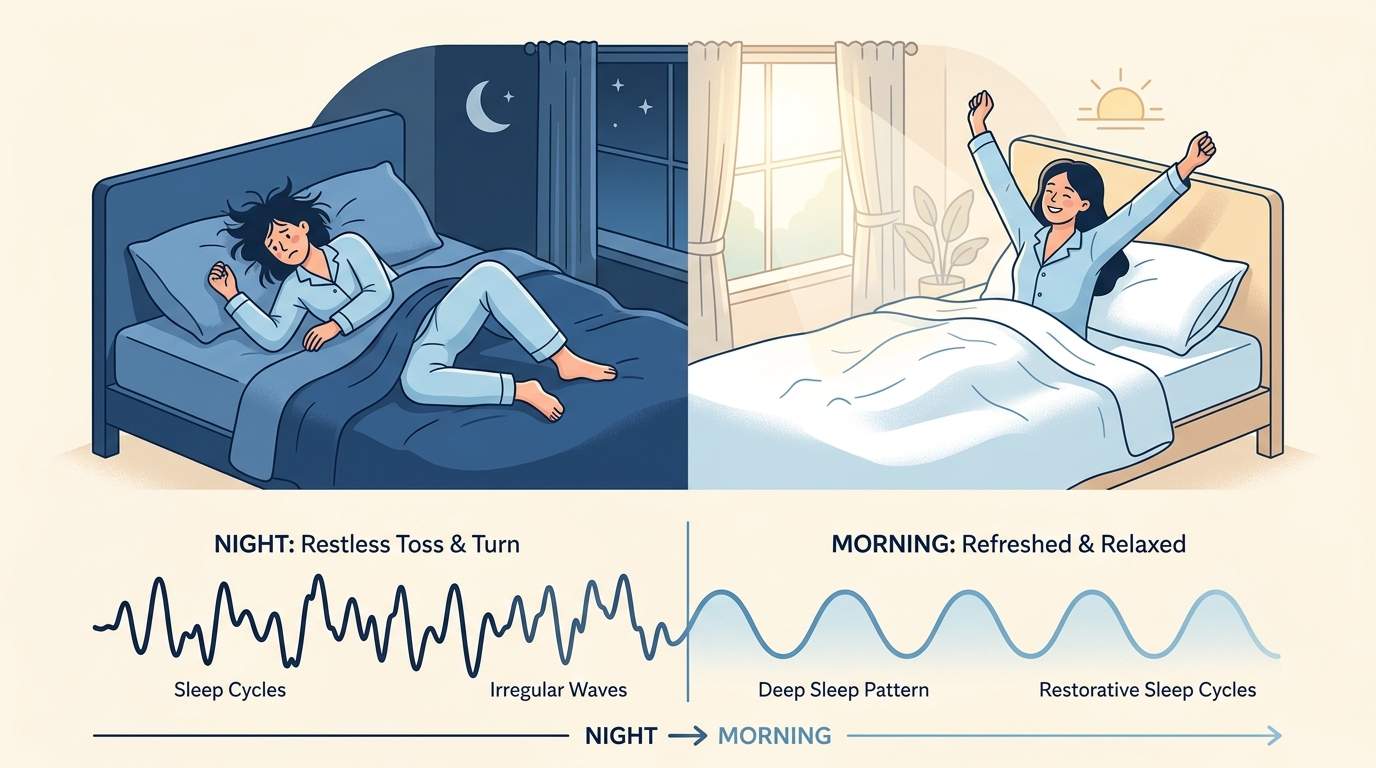
Sleep is when the body repairs, but mouth breathing sabotages this process. When you sleep with your mouth open, the lower jaw drops back, the tongue falls into the airway, and the soft palate vibrates—snoring. In severe cases, the airway collapses completely, causing obstructive sleep apnea (OSA). A 2018 study in The Journal of Clinical Sleep Medicine found that chronic mouth breathing was associated with a 2-3 times higher risk of moderate to severe OSA. Fragmented sleep from these events leads to daytime fatigue, brain fog, and metabolic dysfunction.
The Dry Mouth Consequence
Mouth breathing bypasses the nose's humidification, drying out oral tissues. Saliva is the mouth's natural defense against bacteria; it contains antimicrobial enzymes and maintains pH. A dry mouth allows cavity-causing bacteria to thrive, increasing the risk of tooth decay and gum disease. A 2020 study in Oral Diseases reported that mouth breathers had significantly higher rates of gingivitis and dental caries compared to nasal breathers, independent of brushing habits.
Practical Solutions for Sleep
- Mouth tape for sleep: A small piece of hypoallergenic tape placed vertically over the lips trains the body to keep the mouth closed. Start with a short nap to test tolerance.
- Nasal dilator strips: For those with nasal congestion, these strips widen the nasal passages, making nose breathing easier.
- Address underlying congestion: Allergies, deviated septum, or enlarged turbinates may require medical treatment. A breathing retraining device can help strengthen nasal breathing over time.
The Long-Term Impact on Facial Structure and Oral Health
Chronic mouth breathing during childhood alters facial development. The tongue normally rests against the palate, providing gentle outward pressure that guides the growth of the upper jaw. When the mouth is open, the tongue drops, and the palate narrows. This leads to a long, narrow face, crowded teeth, a receding chin, and a "gummy" smile. A classic 2018 review in The Journal of Oral Biology and Craniofacial Research traced the "adenoid face" (open mouth, flat midface) to prolonged mouth breathing from enlarged tonsils or allergies. In adults, the damage is largely done, but switching to nasal breathing can still improve tongue posture, reduce snoring, and alleviate temporomandibular joint (TMJ) pain.
Orthodontic Implications
Mouth breathing is a recognized risk factor for malocclusion (bad bite). A 2017 study in The Angle Orthodontist found that mouth-breathing children had a 4 times higher likelihood of needing braces compared to nasal breathers. The narrow palate created by low tongue posture crowds teeth and often requires expansion devices. While orthodontics can correct the teeth, addressing the breathing pattern is essential to prevent relapse.

Nasal Breathing During Exercise: Improving Athletic Performance
Many athletes default to mouth breathing during intense exercise, believing it delivers more oxygen. The science suggests otherwise. Nasal breathing, aided by nitric oxide, increases oxygen extraction and reduces the work of breathing. A 2019 study in International Journal of Kinesiology and Sports Science had runners perform a treadmill test breathing only through the nose or only through the mouth. The nasal group had similar performance times but lower respiratory rate and perceived exertion. Over time, nasal breathing during training can improve ventilatory efficiency and delay fatigue.
The Transition Phase
If you are accustomed to mouth breathing, switching during exercise will feel uncomfortable at first, like suffocation. This is normal. Start during warm-ups and low-intensity cardio (Zone 2). Use a nasal dilator strip to open the nostrils. Gradually increase intensity while maintaining nasal breathing. Within 2-4 weeks, the sensation of breathlessness diminishes as your body adapts to higher carbon dioxide tolerance and improved oxygen utilization. Elite endurance athletes often train with nasal breathing to simulate altitude-like conditions.
How to Retrain Your Breathing Pattern
Breathing is an automatic function, but it can be consciously modified with consistent practice.
Daily Awareness Practice
Set a reminder to check your breathing posture every hour. Lips together, tongue resting on the roof of the mouth (not pressed hard), breathing gently through the nose. Use a breathing retraining device that provides biofeedback on nasal airflow.
Sleep Training
Start with mouth tape for sleep for 15 minutes before bed while reading. Once comfortable, use it for full nights. If you wake with tape off, continue trying. Most people adapt within 1-2 weeks.
Exercise Integration
Begin every workout with 5-10 minutes of nasal breathing at low intensity. For high-intensity intervals, allow mouth exhalations but inhale through the nose. Over time, increase the proportion of nasal breathing.
Address Obstructions
If nasal congestion prevents breathing, use saline rinses, a humidifier, or consult an ENT. Untreated allergies or structural issues will sabotage retraining.
The Takeaway
Your breathing pattern is not fixed. It is a habit shaped by anatomy, environment, and practice. Shifting from mouth to nasal breathing—especially during sleep and exercise—improves oxygen delivery, reduces snoring, protects teeth, and may even enhance facial aesthetics over time. The interventions are simple, low-cost, and backed by physiology. Start tonight: tape your mouth (safely), dilate your nose, and let your body rediscover the way it was meant to breathe.
FAQs
Q: Is mouth taping safe? Could I suffocate if my nose gets blocked?
A: For healthy individuals with clear nasal passages, mouth taping is safe. Use a small, vertical strip of porous, hypoallergenic tape that can be easily removed if needed. If you have a cold, nasal polyps, or severe allergies, do not tape. Always ensure one nostril is patent. If you wake with panic, remove the tape and consult a sleep physician to rule out underlying obstruction. Many users report that taping actually improves nasal airflow over time by training the body to keep passages open.
Q: My child breathes through their mouth at night. Should I tape their mouth?
A: No. Children should never have mouth tape applied without medical supervision. Mouth breathing in children is often due to enlarged tonsils, adenoids, or allergies. See a pediatrician or ENT first. Treatment may include allergy management, tonsillectomy, or orthodontic expansion. Early intervention prevents long-term facial changes.
Q: Can I really change my facial structure as an adult by switching to nasal breathing?
A: Adult bone is largely set, but soft tissue posture changes. Switching to nasal breathing can improve tongue position, reduce forward head posture, and alleviate TMJ tension. Some adults report subtle changes in jawline definition and nasal airway width over months to years. The primary benefits for adults are better sleep, less snoring, improved dental health, and enhanced exercise performance—not dramatic facial reshaping. Use a nasal dilator strip at night to support the transition.