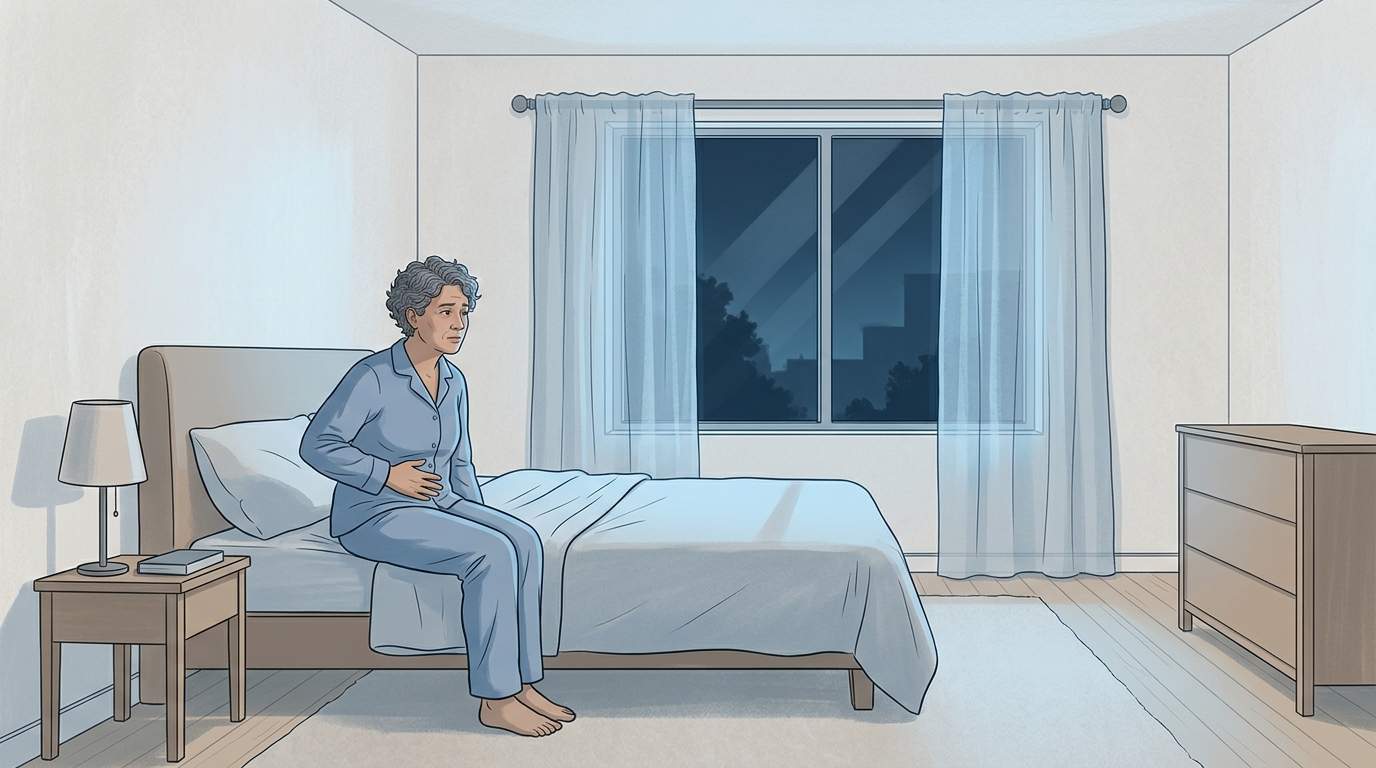
You set your alarm for 8 hours every night, convinced that logging enough time in bed guarantees you’ll wake up rested. But more often than not, you jolt awake mid-dream, feeling groggy and unrefreshed—even after a full night’s sleep. You start to wonder if the number of hours you sleep matters less than how well you sleep during those hours.
E.g. :Waking Up at 3 AM and Tossing for Hours? Blame Your Disrupted Circadian Rhythm, Not Just Stress
- 1、Sleep Cycles Determine How Restful Your Sleep Is
- 2、More Sleep Hours Don’t Equal Better Sleep
- 3、Consistent Bedtimes Support Healthy Sleep Cycles
- 4、How to Improve Sleep Cycle Quality
- 5、FAQs
We’ve all been told that 7-9 hours of sleep is the gold standard, but focusing solely on duration misses a key factor: sleep cycles. Your body moves through distinct stages of sleep throughout the night, and waking up in the middle of a cycle leaves you feeling tired, even if you’ve slept for 8 hours. The secret to waking up refreshed isn’t just sleeping longer—it’s aligning your sleep schedule with your natural sleep cycles. Let’s break down how sleep cycles work, why they matter, and how to adjust your routine for better rest.
Sleep Cycles Determine How Restful Your Sleep Is
A full sleep cycle lasts about 90 minutes and consists of four stages: light sleep, deep sleep, and rapid eye movement (REM) sleep. Each stage plays a vital role in restoring your body and mind. Deep sleep repairs tissues, boosts immunity, and consolidates memories, while REM sleep supports emotional regulation and cognitive function.
Waking up during light sleep—toward the end of a 90-minute cycle—leaves you feeling alert and refreshed. But waking up during deep sleep or REM sleep disrupts the cycle, leaving you groggy, irritable, and tired throughout the day. A 2022 study published in the Journal of Sleep Research found that people who woke up at the end of a sleep cycle reported 30% higher energy levels than those who woke up mid-cycle, even with the same total sleep time.
How to Align Your Schedule with Sleep Cycles
To wake up at the end of a cycle, calculate your bedtime based on your wake-up time. Start with your desired wake-up time and count backward in 90-minute increments. For example, if you need to wake up at 7 AM, your ideal bedtimes would be 10 PM, 11:30 PM, or 1 AM. This gives your body time to complete full cycles, so you wake up during light sleep.

More Sleep Hours Don’t Equal Better Sleep
Many people think that adding extra hours of sleep will fix grogginess, but this often backfires. Sleeping longer than your body needs can cause you to wake up in the middle of a later cycle, leaving you even more tired. A 2023 study by the Sleep Foundation found that people who slept 10+ hours per night were more likely to report daytime fatigue than those who slept 7-8 hours, as they often woke up mid-cycle.
Quality trumps quantity when it comes to sleep. Even 6 hours of sleep that includes full, uninterrupted cycles is more restful than 8 hours of fragmented sleep. Focus on creating a consistent sleep schedule that allows you to complete 4-5 full cycles each night.
Consistent Bedtimes Support Healthy Sleep Cycles
Your body thrives on routine, and a consistent bedtime helps regulate your circadian rhythm—the internal clock that controls sleep and wakefulness. Going to bed and waking up at the same time every day (even on weekends) trains your body to fall asleep and wake up at the right points in your sleep cycles.
A 2021 study in the European Journal of Sleep Medicine found that people with consistent sleep schedules had more regular sleep cycles and reported better sleep quality than those with irregular routines. Even a 30-minute difference in bedtime or wake-up time can disrupt your cycles and leave you feeling tired.
How to Improve Sleep Cycle Quality
Creating an environment that supports uninterrupted sleep is key to maintaining healthy cycles:
- Avoid screens 1 hour before bed: Blue light from phones and TVs delays melatonin production, disrupting the start of your sleep cycles.
- Keep your bedroom cool, dark, and quiet: A cool temperature (60-67°F) and dark environment promote deep sleep, while white noise can mask distractions that break cycles.
- Avoid caffeine and alcohol late in the day: Caffeine stimulates your brain, making it hard to fall asleep, while alcohol fragments sleep and reduces REM sleep.
- Wind down with a consistent routine: Activities like reading, gentle stretching, or sipping herbal tea signal to your body that it’s time to sleep, helping you fall asleep faster and stay in sync with your cycles.
FAQs
Q: What if I can’t fall asleep at my ideal bedtime?
A: If you’re not tired, don’t force yourself to sleep—this can lead to frustration and fragmented sleep. Instead, do a quiet, relaxing activity until you feel sleepy, then go to bed. Over time, your body will adjust to your routine.
Q: Does napping affect sleep cycles?
A: Short naps (20-30 minutes) can boost energy without disrupting nighttime sleep cycles. Longer naps (1+ hours) can make it harder to fall asleep at night and disrupt your circadian rhythm.
Q: How do I know if I’m waking up at the end of a sleep cycle?
A: If you wake up naturally (without an alarm) feeling alert and refreshed, you likely woke up at the end of a cycle. Using a sleep cycle tracker can also help you monitor your cycles and adjust your bedtime accordingly.