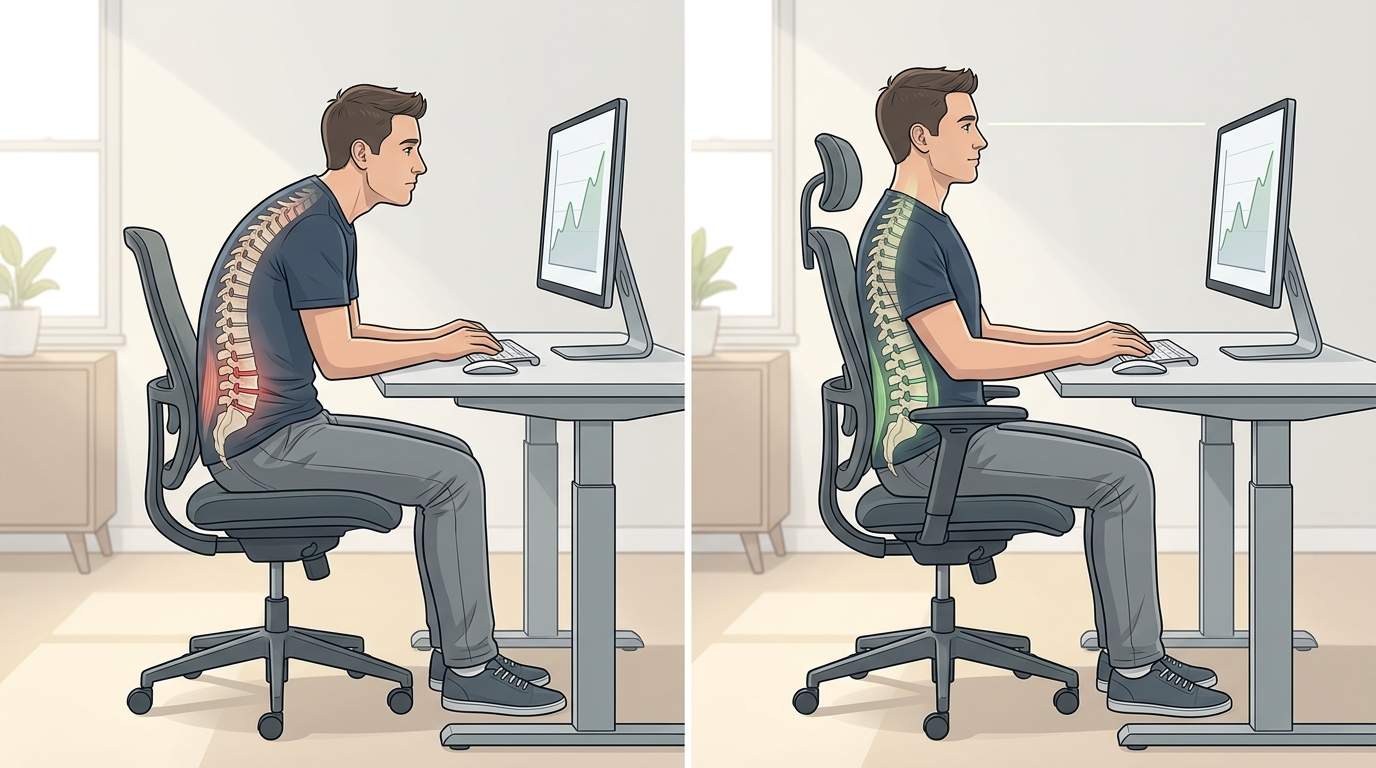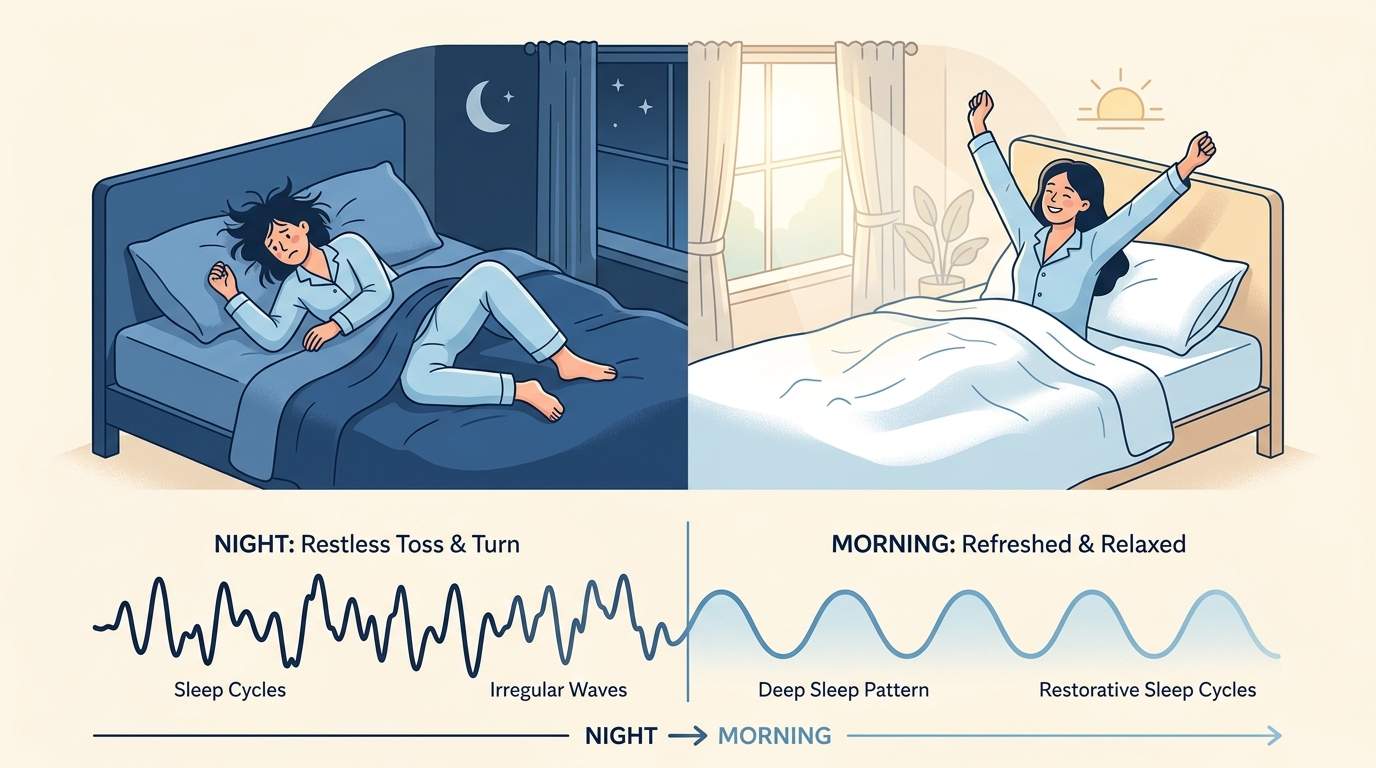
Picture this: You're wrapping up another marathon day at your desk, the glow of your screen fading as the clock hits 6 PM. You stand up, and there's that familiar twinge—a sharp reminder in your lower back that whispers, "Not again." It's not dramatic enough to send you to the ER, but it's persistent, stealing your energy for evening walks or playtime with the kids. If you're like millions glued to chairs for work, this "desk job back pain" from sitting too long has become your unwelcome companion. But what if the stretches you've been religiously doing after every Zoom call are just masking the issue, not solving it?
E.g. :You Wake Up Twice to Pee Every Night – Drinking Less Water Won’t Fix It
- 1、Understanding Lower Back Pain from Prolonged Sitting
- 2、Why Stretching Alone Fails for Desk Job Back Pain
- 3、The Science of Muscle Imbalance Causing Lower Back Pain from Sitting
- 4、Core Strengthening Exercises: The Fix for Lower Back Pain from Desk Jobs
- 5、Everyday Habits to Prevent Lower Back Pain from Sitting All Day
- 6、Long-Term Strategies and When to Get Help for Chronic Desk Job Back Pain
- 7、FAQs
Understanding Lower Back Pain from Prolonged Sitting
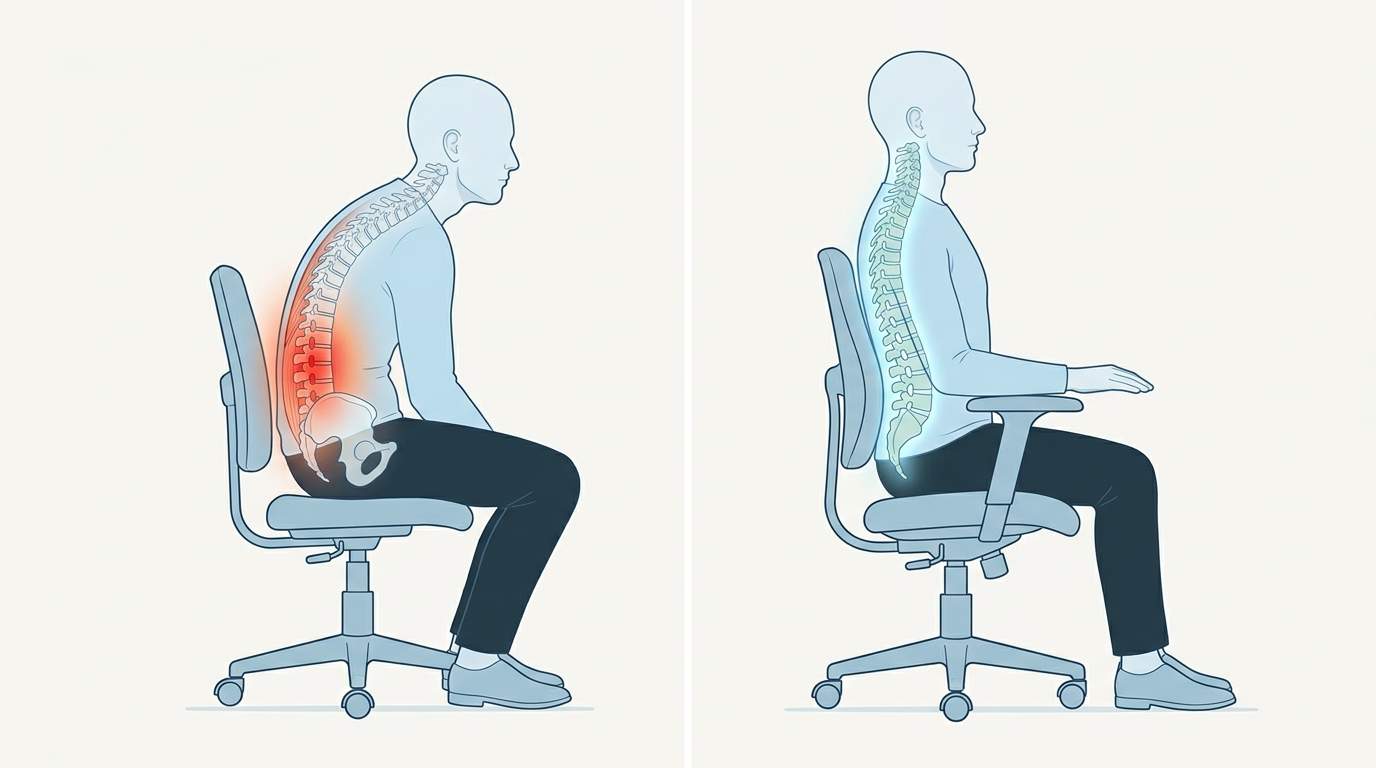
Lower back pain affects about 80% of adults at some point, according to the National Institutes of Health (NIH), and sedentary jobs are a top culprit. When you sit for hours—think 8+ hours daily, as reported in a 2022 American Journal of Epidemiology study—your spine compresses under its own weight, while hip flexors shorten and your core slackens. It's not just "bad posture"; it's a biomechanical chain reaction. Your lumbar spine bears 90% more pressure when seated versus standing, per research from the Spine Journal. I get it—those long hours pay the bills, but they shouldn't cost your mobility. Let's peel back the layers to see why quick fixes fall short and what builds lasting relief.
Why Stretching Alone Fails for Desk Job Back Pain
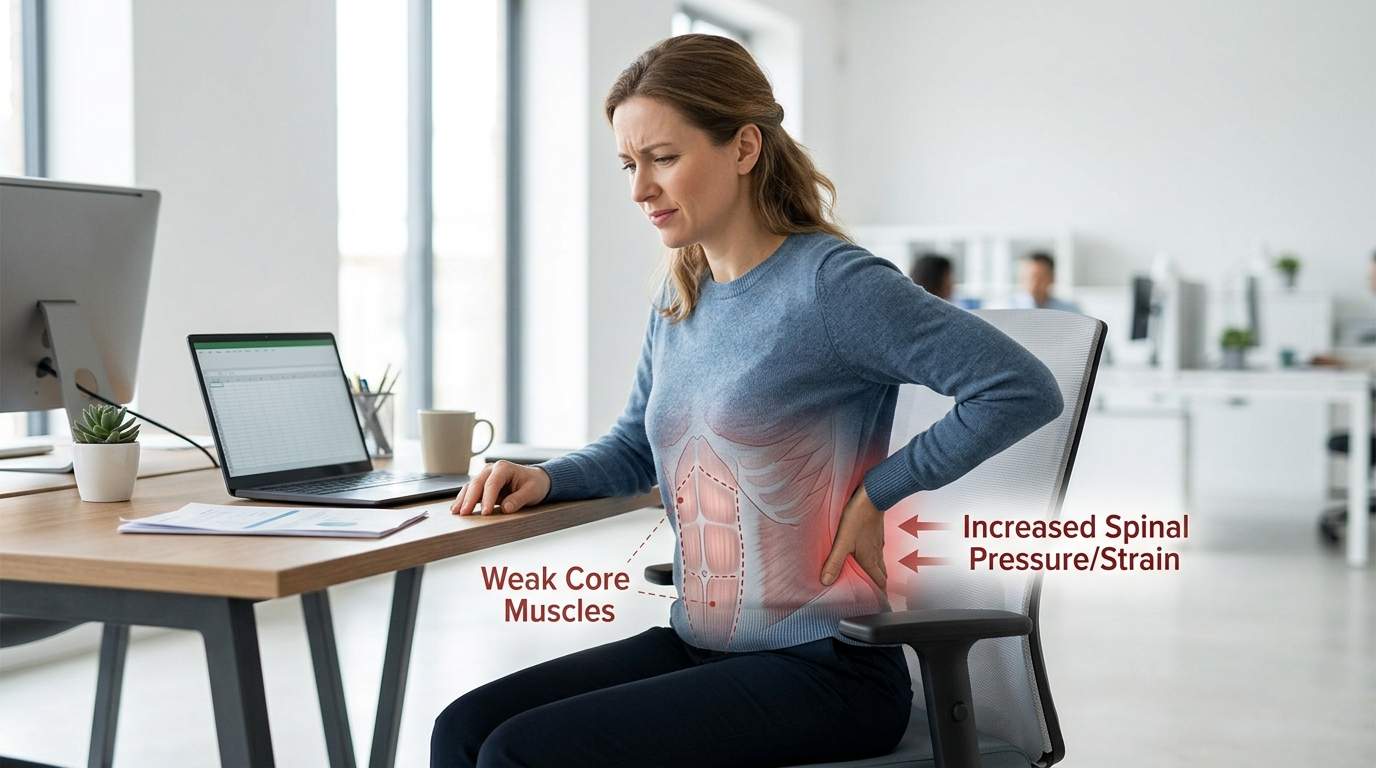
We've all been there: YouTube pulls up "10 stretches for lower back pain," and they feel amazing in the moment. But here's the challenge to common wisdom—does stretching really prevent lower back pain from sitting too long? Studies say no. A 2019 randomized trial in the British Journal of Sports Medicine followed office workers doing daily stretches; pain relief was short-lived, with 60% reporting recurrence within weeks. Why? Stretching lengthens tight muscles temporarily but ignores the antagonists weakening in the background. Your hamstrings might loosen, but if your deep core stabilizers—like the transversus abdominis—aren't firing, imbalance persists. It's like patching a tire without fixing the alignment; the wear continues.
Common Myths About Back Stretches for Sitting Too Long
Myth one: "Forward bends cure everything." Reality: They can strain discs if your core is weak, per Harvard Medical School guidelines. Myth two: More is better. Overstretching fatigues stabilizers, worsening desk job back pain, as shown in a Physical Therapy journal review.
The Science of Muscle Imbalance Causing Lower Back Pain from Sitting
Dig deeper, and biology reveals the logic closed loop. Prolonged sitting tilts your pelvis posteriorly, deactivating glutes and core by up to 50%, according to electromyography data from the Journal of Electromyography and Kinesiology (2021). Weak abs fail to counter hip flexor pull, overloading lumbar erectors. Result? Micro-tears and inflammation build silently. A World Health Organization report links sedentary behavior to 3.2 million deaths yearly, with back pain as a flagship symptom. Challenge another consensus: Standing desks help somewhat (reducing pressure by 20-30%, per Cornell Ergonomics), but without core work, pain rebounds. Your body craves balance—strengthen the front to unload the back.
I remember a client, Sarah, a marketing exec in her 40s. Her "sitting too long" routine left her dreading Mondays. Simple awareness shifted her mindset: It wasn't laziness; it was physics demanding correction.
Core Strengthening Exercises: The Fix for Lower Back Pain from Desk Jobs
Now, the empowering part—targeted core strengthening exercises restore stability, proven to cut lower back pain by 40-60% in meta-analyses from The Lancet (2020). Why does it work? A strong core acts like a natural corset, distributing loads evenly and reducing spinal shear forces by 30%, as measured in biomechanical studies from the University of Waterloo. Start small: No gym needed.
Top Core Strengthening Exercises for Office Workers with Back Pain
- Dead Bug: Lie on your back, arms up, legs bent. Extend opposite arm/leg slowly—hold 5 seconds, 10 reps. Activates deep core without spinal stress.
- Bird Dog: On all fours, extend arm/leg parallel to floor. Builds posterior chain balance.
- Plank Variations: Forearm plank, 20-30 seconds, focusing on neutral spine.
Incorporate 10 minutes daily; consistency trumps intensity. Sarah saw her pain drop 70% in a month—proof that logic, not luck, heals.
Everyday Habits to Prevent Lower Back Pain from Sitting All Day
Relief isn't one-and-done; it's habit loops. Set timers for 2-minute walks hourly—cuts sitting pressure spikes, per Mayo Clinic research. Use a lumbar support cushion to maintain lordosis (natural curve). Challenge: Is coffee break scrolling helping? Swap for glute squeezes: Contract 10 seconds, release, 10x. Data from the American Chiropractic Association shows these micro-movements boost circulation, slashing pain risk by 25%. Hydrate and stand during calls—small wins compound.
Long-Term Strategies and When to Get Help for Chronic Desk Job Back Pain
Sustain gains with progressive loading: Add resistance bands weekly. Track progress in a journal; it fosters accountability. But listen to your body—if pain radiates, worsens at night, or pairs with numbness (red flags per NIH), consult a physical therapist. Early intervention prevents 70% of cases from chronicity, says a BMJ study. You're not "too busy" for health; investing now frees future you.
You've got this—small, science-backed steps reclaim your back from the desk's grip.
FAQs
Q: How long does it take for core strengthening exercises to relieve lower back pain from sitting too long?
A: Most people notice improvement in 2-4 weeks with consistent 10-15 minute daily sessions, backed by a 2021 Cochrane review showing significant gains by week 3 in office workers.
Q: Can a standing desk completely eliminate desk job back pain?
A: No, it reduces risk by 20-30% but doesn't address muscle imbalances—pair it with core work for best results, per ergonomics research from Cornell University.
Q: Is lower back pain from prolonged sitting a sign of something serious?
A: Usually not, but if accompanied by leg weakness, bowel/bladder changes, or fever, see a doctor immediately, as advised by the American Academy of Orthopaedic Surgeons.