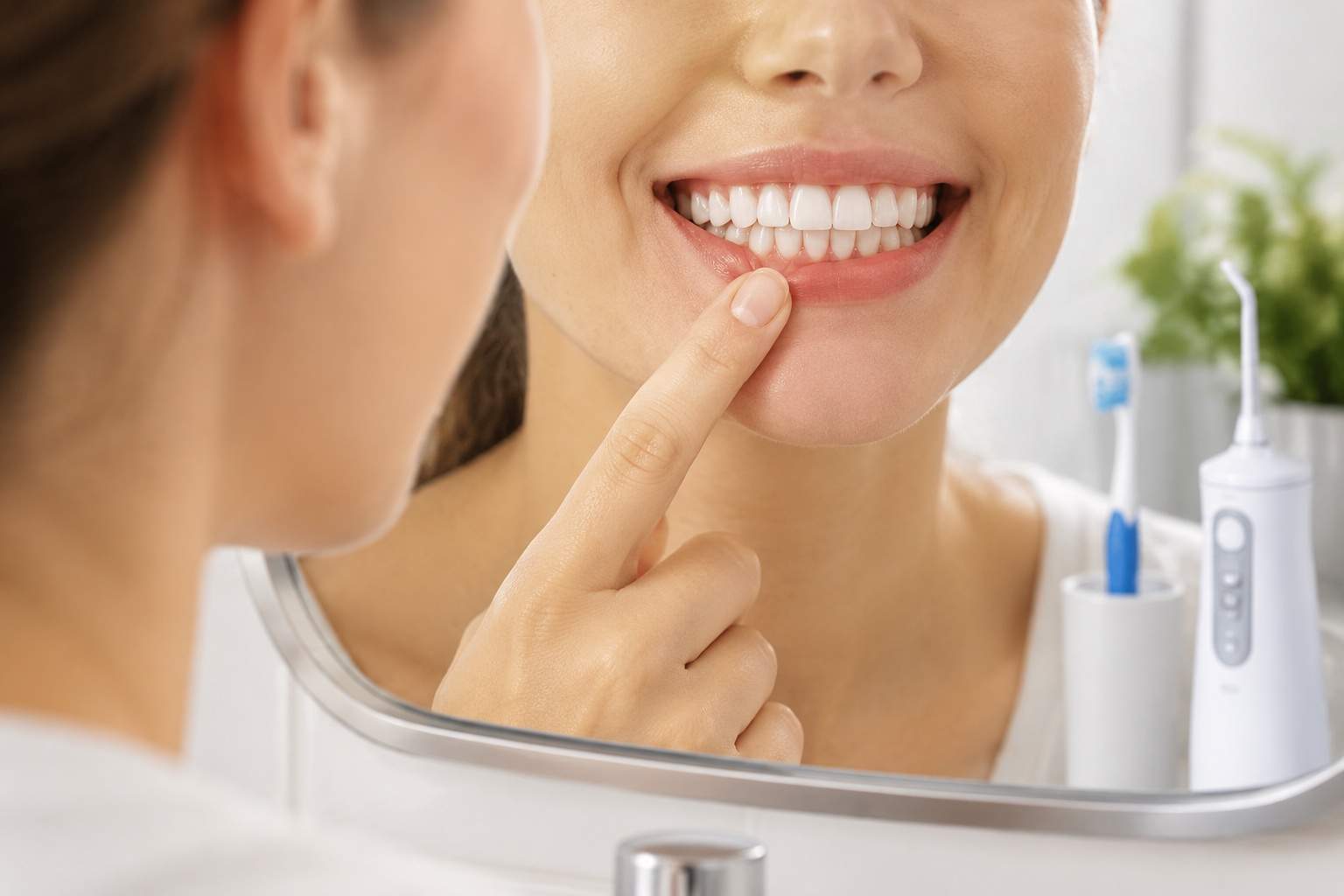
You spit into the sink after brushing, noticing a faint pink tinge in the water. At first, you brush it off—maybe you brushed a little too hard, or it’s just a one-time thing. But as days go by, the bleeding continues, and your gums feel tender when you floss. You start to worry: are my gums unhealthy, and do I need expensive products to fix them?
- 1、Bleeding Gums Are a Warning Sign
- 2、Flossing Is Non-Negotiable for Gum Health
- 3、Harsh Oral Products Irritate Gums
- 4、Consistent Oral Care Beats Occasional Deep Cleanings
- 5、Simple Habits for Healthy Gums
- 6、FAQs
Gum health is often overlooked, but it’s just as important as healthy teeth. Many people assume that fancy toothpastes, electric toothbrushes, or expensive treatments are the key to strong gums. But the truth is, gum health starts with simple, consistent daily habits—habits that are easy to integrate into your routine and cost little to nothing. Let’s explore what makes gums healthy, why common mistakes harm them, and how to care for your gums the right way.
Bleeding Gums Are a Warning Sign
Bleeding when you brush or floss isn’t normal—it’s a sign that your gums are irritated or inflamed. This irritation, called gingivitis, is often caused by plaque buildup along the gumline. Plaque is a sticky film of bacteria that forms on teeth every day, and if not removed, it irritates the gums, leading to redness, tenderness, and bleeding.
A 2022 study published in the Journal of Periodontology found that 47% of adults have gingivitis, and many don’t even realize it. The good news is that gingivitis is reversible with proper oral care. Ignoring bleeding gums, however, can lead to more serious gum disease (periodontitis), which can damage the bones that support your teeth.
How to Stop Gum Bleeding
The first step to stopping gum bleeding is to improve your daily oral care routine. Brush your teeth gently twice a day with a soft-bristle brush, focusing on the gumline—this removes plaque without irritating the gums. Floss once a day to clean between teeth, where a toothbrush can’t reach. Over time, consistent cleaning will reduce inflammation, and the bleeding will stop.

Flossing Is Non-Negotiable for Gum Health
Many people skip flossing, thinking it’s optional or unnecessary. But flossing is one of the most important things you can do for your gums. A toothbrush can only clean about 70% of the tooth surface—flossing cleans the remaining 30%, removing plaque and food particles from between teeth and along the gumline.
A 2023 survey by the American Dental Association found that people who floss daily are 30% less likely to develop gum disease than those who don’t. Flossing doesn’t have to be complicated—use a small piece of floss, wrap it around your fingers, and gently glide it between each tooth, curving it around the gumline to remove plaque.
Harsh Oral Products Irritate Gums
Many toothpastes and mouthwashes contain harsh ingredients, like alcohol or strong abrasives, that can irritate sensitive gums. These products may make your mouth feel “clean,” but they strip the gums of their natural protective layer, leading to more irritation, dryness, and bleeding.
Opt for gentle, alcohol-free mouthwash and toothpaste designed for sensitive gums. Look for products with fluoride (to strengthen teeth) and ingredients like aloe vera or chamomile (to soothe gums). Avoid toothpastes with high levels of abrasives, which can wear down tooth enamel and irritate the gumline.
Consistent Oral Care Beats Occasional Deep Cleanings
Some people rely on occasional dental cleanings to “fix” their gums, but this isn’t enough. Dental cleanings are important for removing tartar (hardened plaque that can’t be removed with brushing or flossing), but they can’t replace daily oral care. Plaque forms every day, so daily brushing and flossing are needed to keep gums healthy.
A 2021 study in the Journal of Dental Research found that people who maintain a consistent daily oral care routine have healthier gums and fewer dental issues than those who only brush occasionally. Even 5 minutes a day—2 minutes brushing, 3 minutes flossing—can make a huge difference in your gum health.
Simple Habits for Healthy Gums
Caring for your gums doesn’t require fancy products or extra time—just these simple habits:
- Brush twice a day with a soft-bristle brush, using gentle circular motions along the gumline.
- Floss once a day, focusing on cleaning between teeth and along the gumline.
- Use alcohol-free mouthwash to soothe gums and kill bacteria.
- Visit the dentist every 6 months for a cleaning and checkup.
- Avoid smoking and limit sugary foods—both can damage gums and increase the risk of gum disease.
FAQs
Q: Why do my gums bleed even when I floss gently?
A: If your gums are inflamed (gingivitis), even gentle flossing can cause bleeding at first. Keep flossing consistently, and the inflammation will subside, and the bleeding will stop within 1-2 weeks.
Q: Do electric toothbrushes help with gum health?
A: Electric toothbrushes can be effective, but they’re not necessary. A soft-bristle manual toothbrush, used correctly, is just as good for gum health. The key is gentle brushing and consistent use.
Q: Can gum disease be reversed?
A: Early gum disease (gingivitis) can be reversed with proper oral care. Advanced gum disease (periodontitis) is not reversible, but it can be managed with professional treatment and consistent home care to prevent further damage.