Imagine slipping into bed after a long day, finally drifting off, only to jolt awake around 3 AM. The room is quiet, but your mind races. You glance at the clock, willing sleep to return, yet minutes stretch into hours. If this sounds familiar, you're not alone – it's a quiet frustration millions face nightly, leaving you groggy and irritable by morning. As someone who's spent years unpacking the science of rest, I've seen how these disruptions erode daily life, but the good news is there's a clear path rooted in biology to break the cycle.
E.g. :Bleeding Gums Are Not a Brushing Problem. They Are a Risk Disclosure.
- 1、Understanding Middle of the Night Insomnia and Its Hidden Toll
- 2、Why Wake Up at 3 AM? Decoding Sleep Maintenance Insomnia Triggers
- 3、Challenging Myths Around Sleep Through the Night
- 4、The Science-Backed Logic Loop to End Middle of the Night Insomnia
- 5、Building Resilience Against Sleep Maintenance Insomnia Long-Term
- 6、FAQs
Understanding Middle of the Night Insomnia and Its Hidden Toll
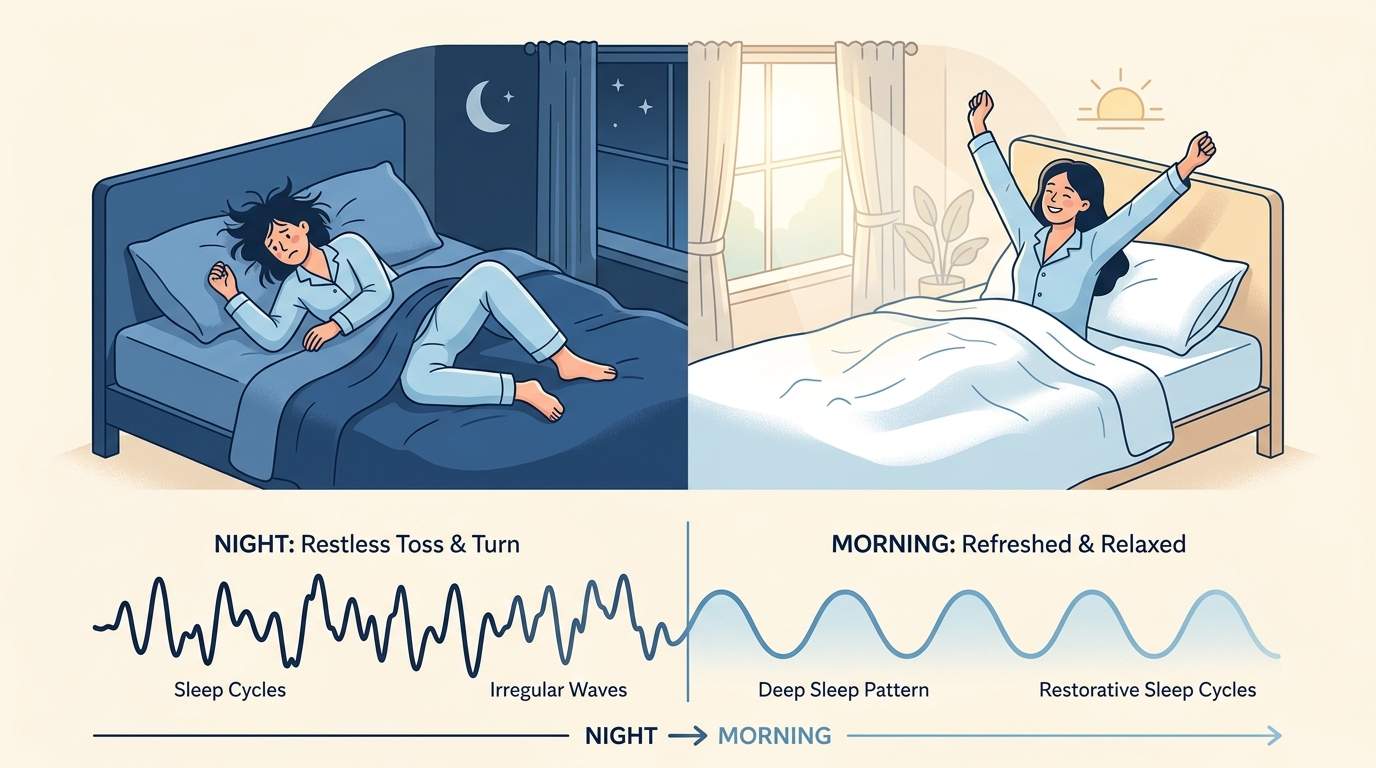
Middle of the night insomnia, often called sleep maintenance insomnia, isn't just bad luck. It affects about 35% of adults occasionally, with 10-15% experiencing it chronically, according to the National Sleep Foundation's 2023 Sleep in America poll. This isn't mere annoyance; chronic wake-ups fragment sleep architecture, reducing deep restorative stages by up to 30%, per a study in the Journal of Clinical Sleep Medicine (2022). You wake feeling unrested because your body misses the growth hormone release and immune repair that happen in those early morning hours.
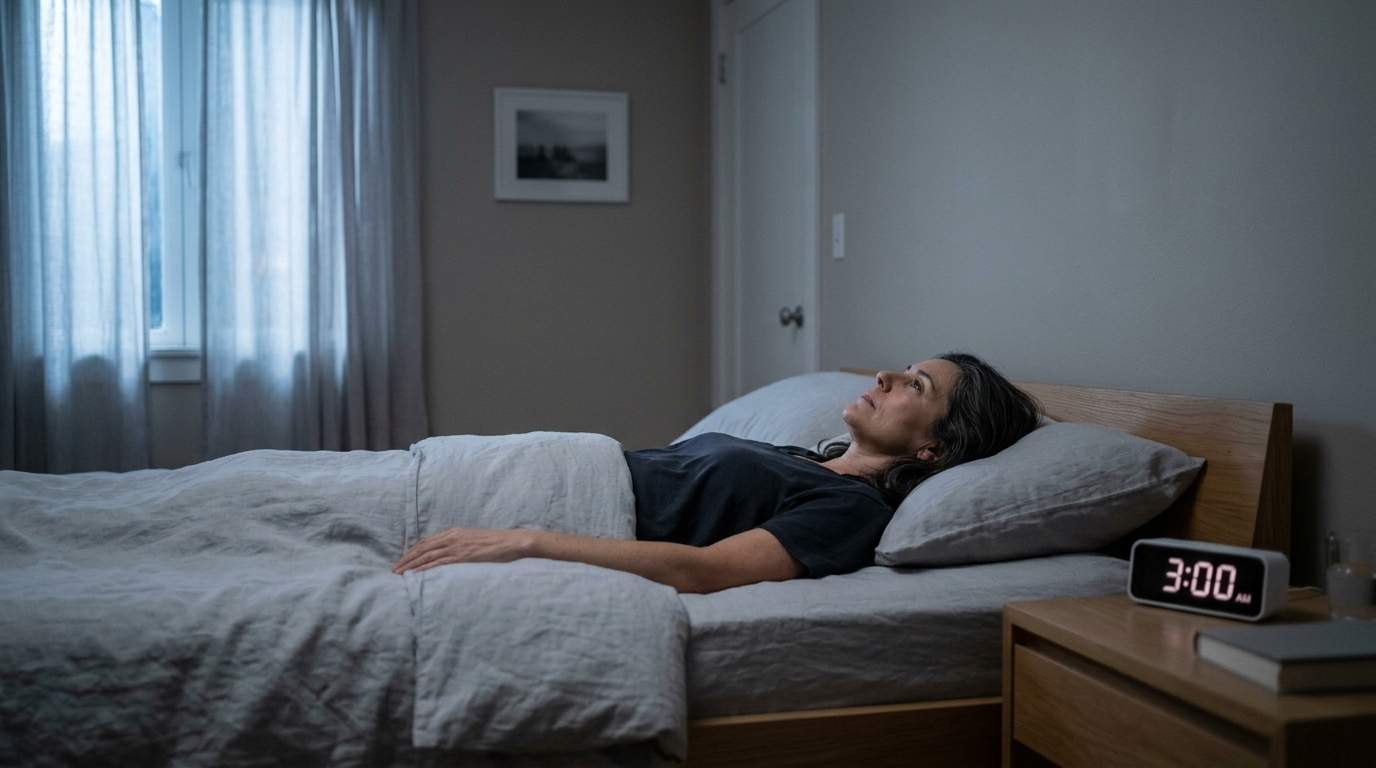
I remember a reader, Sarah, a 42-year-old teacher, who described staring at her ceiling night after night, convinced it was perimenopause. Her story echoed so many: exhaustion building, focus fading, even simple joys dimming. Understanding this starts with empathy – these interruptions feel personal, but they're often signals from your body's clock gone awry.
Why Wake Up at 3 AM? Decoding Sleep Maintenance Insomnia Triggers
Your internal clock, or circadian rhythm, peaks alertness around 3-4 AM due to a natural cortisol rise preparing you for dawn, explains the National Institutes of Health (NIH). But in modern life, this amplifies minor disruptions. A 2021 meta-analysis in Sleep Medicine Reviews found inconsistent bedtimes shift this rhythm, making wake-ups 40% more likely.
The Role of Light Exposure in Night Awakenings
Blue light from evening screens suppresses melatonin by 23%, per Harvard Medical School research, but it's residual effects lingering into the night that trap you awake.
Dietary Factors Fueling Wake Up at 3 AM
Caffeine hides in afternoon sodas, with a half-life of 5-6 hours (Mayo Clinic data), priming your adrenals right when you need calm.
These aren't random; they're chained reactions where one misalignment cascades.
Challenging Myths Around Sleep Through the Night
We hear "just relax" or "it's stress," but let's question that. First, why does forcing sleep backfire? Studies from the American Academy of Sleep Medicine show "sleep effort" activates the sympathetic nervous system, spiking heart rate like a mini fight-or-flight, worsening insomnia by 25%. Second, is alcohol a helper? It fragments REM sleep, causing 50% more awakenings post-midnight (Alcoholism: Clinical & Experimental Research, 2020). Third, why not pills every night? Tolerance builds in weeks, per NIH warnings, masking root issues without fixing the rhythm.
These flips conventional advice, revealing why quick fixes fail and logic-based resets endure.
The Science-Backed Logic Loop to End Middle of the Night Insomnia
Reclaiming sleep isn't tips – it's a closed loop: align rhythm, minimize triggers, reinforce cues. Start with consistency: fixed wake times (even weekends) realign circadian genes within 7 days, boosting sleep efficiency 15% (Chronobiology International, 2022).
Master Sleep Hygiene for Sleep Through the Night
Dim lights post-8 PM; a bulb swap cuts melatonin delay by 30 minutes (Lighting Research & Technology). Cool rooms at 60-67°F match core temp drop, per Sleep Foundation guidelines.
Stimulus Control to Beat Wake Up at 3 AM
Out of bed if awake 20 minutes – this breaks bed=stress association, proven in cognitive behavioral therapy for insomnia (CBT-I) trials reducing wake-ups 60% (JAMA, 2015).
Practice 4-7-8 breathing: inhale 4s, hold 7s, exhale 8s – it lowers arousal via vagus nerve, backed by Stanford relaxation studies.
Building Resilience Against Sleep Maintenance Insomnia Long-Term
Track patterns in a journal; apps confirm 80% of users spot triggers like late dinners (Sleep Health Journal, 2023). Morning sunlight 15 minutes advances your clock, per UC Berkeley research. Exercise midday, not evenings, avoids endorphin interference.
Sarah tried this loop: consistent 6:30 AM rises, no screens post-9 PM, bed for sleep only. In two weeks, her 3 AM wake-ups halved, energy returned. It's empowering – your body craves this order.
Sustained changes yield 85% improvement rates in CBT-I cohorts (meta-analysis, Sleep Medicine Reviews, 2019). You're capable; small alignments compound.
FAQs
Q: Is waking up at 3 AM always a sign of serious sleep maintenance insomnia?
A: Not always – occasional episodes tie to temporary stress or diet, but if weekly and lasting over three months, consult a doctor to rule out apnea or thyroid issues, per American Sleep Association guidelines.
Q: Can supplements help me sleep through the night without meds?
A: Melatonin (0.5-3mg) 2 hours pre-bed can shift rhythms short-term, effective for 70% in jet-lag studies (Cochrane Review, 2022), but prioritize hygiene first for lasting results.
Q: How long until I stop middle of the night insomnia with these changes?
A: Most notice fewer wake-ups in 1-2 weeks; full rhythm reset takes 4-6 weeks, as shown in circadian intervention trials (Journal of Biological Rhythms, 2021).