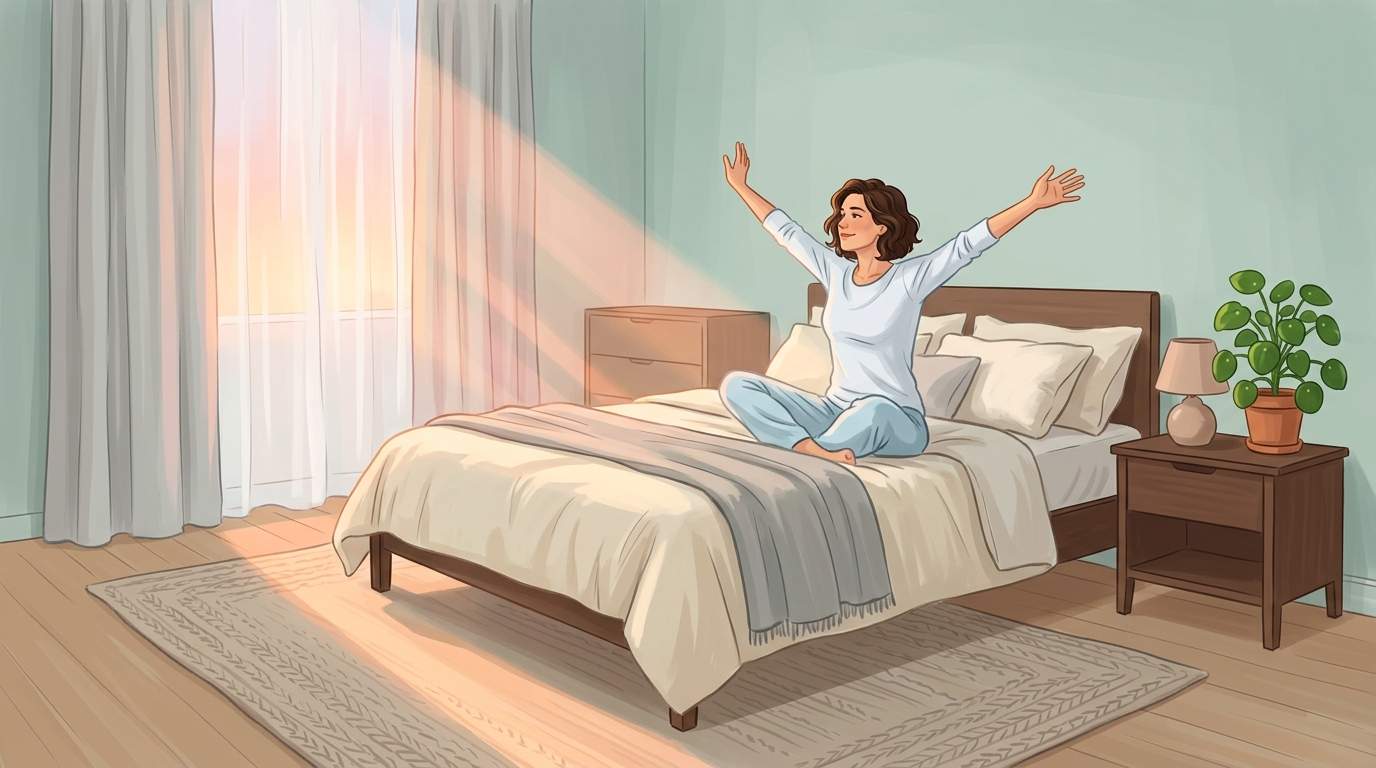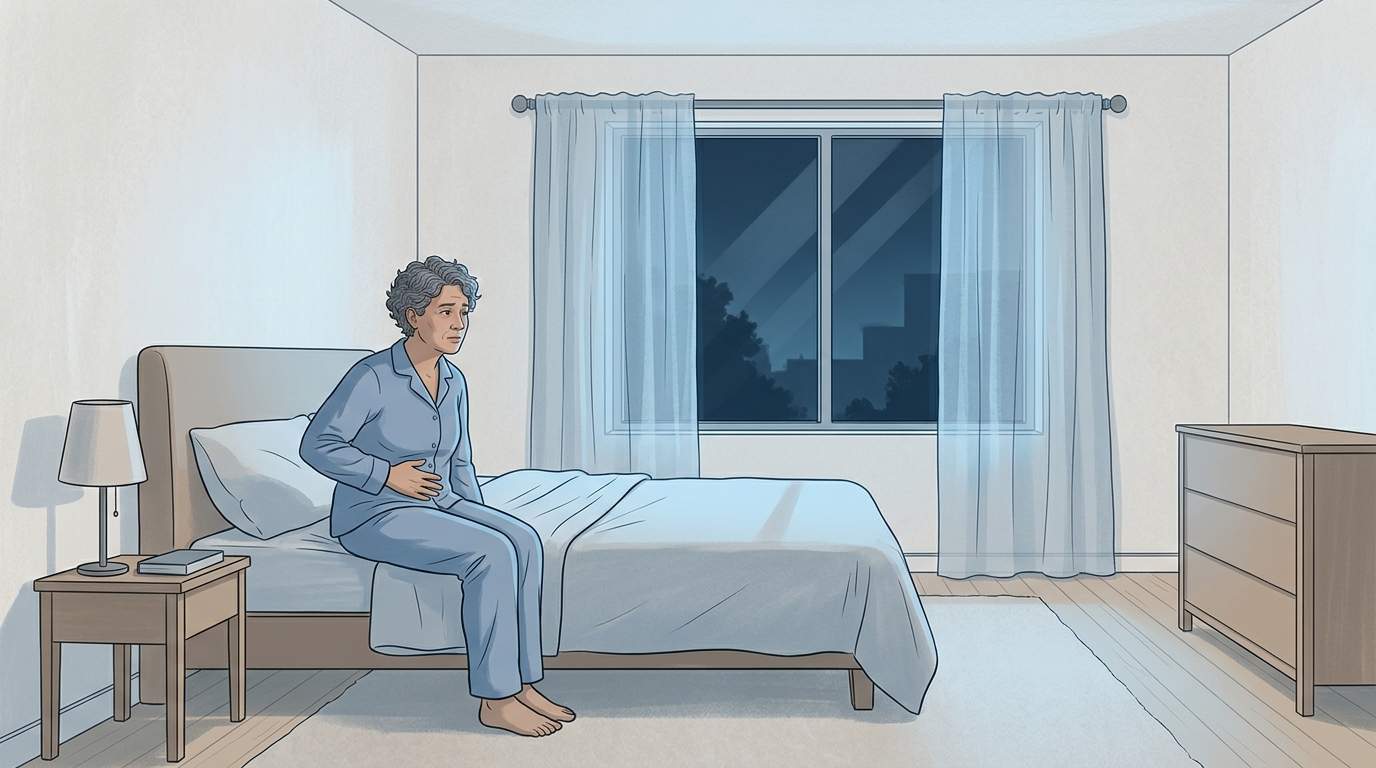
Imagine dragging yourself out of bed after what felt like a full night's rest, only to battle yawns and brain fog all day. That mid-afternoon slump hits harder than usual, and by evening, you're crashing early—rinse and repeat. If this sounds familiar, you're not alone; it's a quiet frustration millions face daily, often dismissed as "just getting older" or "too much stress." But beneath these everyday gripes lies a pattern: nighttime awakenings interrupting your sleep cycles, turning potential recharge time into fragmented rest that leaves you exhausted.
E.g. :Why Your Food Tastes Like Cardboard: A Taste Bud Reboot That Improves Nutrition and Safety
- 1、Nighttime Awakenings and Poor Sleep Quality Explained
- 2、How Sleep Cycles Work and Why Fragmentation Matters
- 3、Challenging What You Think You Know About Fixing Nighttime Awakenings
- 4、Proven Steps to Repair Sleep Cycles and Reduce Poor Sleep Quality
- 5、Long-Term Strategies to Prevent Sleep Fragmentation
- 6、FAQs
Nighttime Awakenings and Poor Sleep Quality Explained
These brief wake-ups—maybe you notice the clock at 2 a.m., roll over, and drift off again—add up. According to the Sleep Foundation, up to 35% of adults report frequent nighttime awakenings, which correlate directly with daytime fatigue. It's not just about total hours slept; poor sleep quality from these disruptions means your body never fully recovers. I remember a reader, Sarah, a busy mom in her 40s, who thought her 7-8 hours were enough until she tracked her sleep and found 4-5 awakenings per night tanking her energy. Her story mirrors what research shows: even if you don't fully wake, micro-arousals fragment sleep, reducing deep restorative stages.
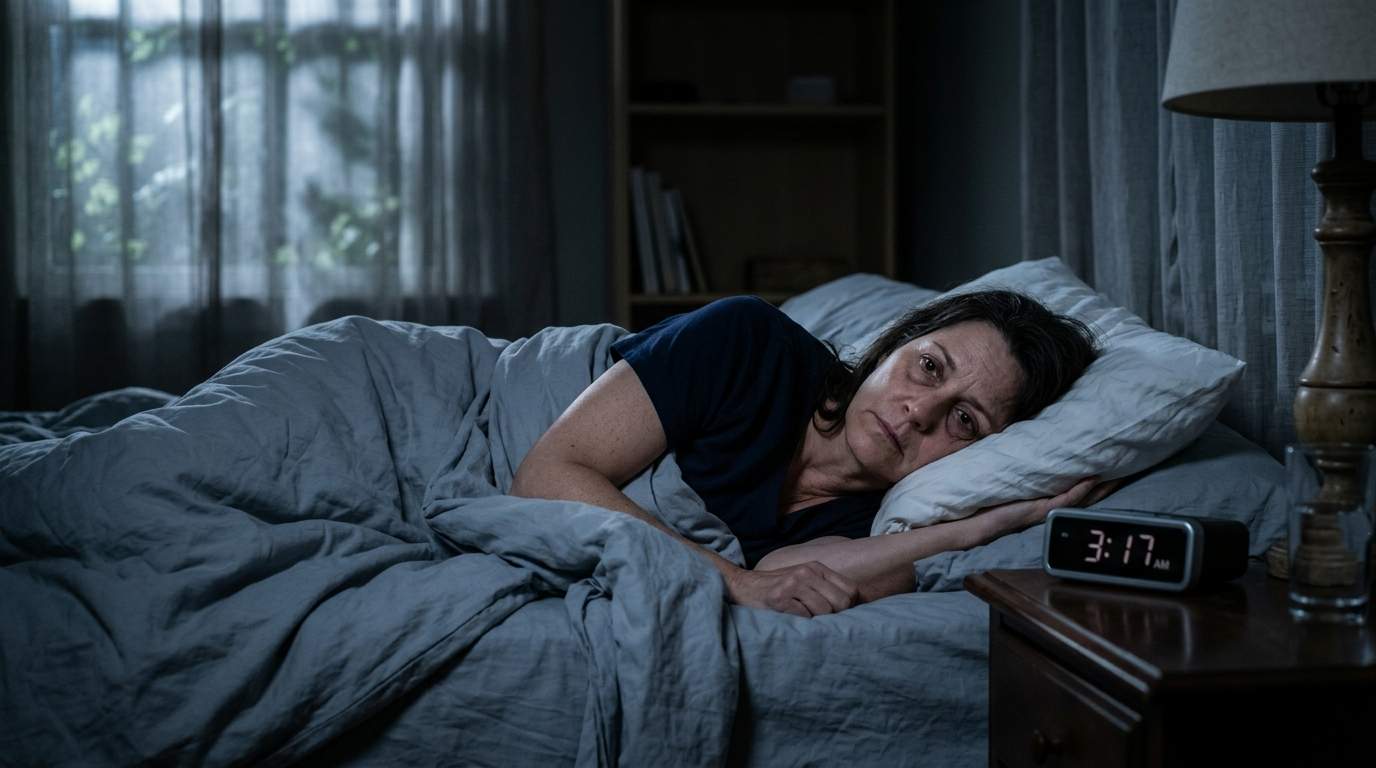
The empathy here is real—life's demands make solid sleep feel elusive, but understanding this cycle empowers you to reclaim it.
Common Triggers of Sleep Fragmentation
Everyday factors like a partner's snoring, a warm room, or even a full bladder play roles. Harvard Medical School studies highlight how room temperature above 70°F (21°C) can increase awakenings by 20-30%, as your body struggles to regulate during lighter sleep phases.
How Sleep Cycles Work and Why Fragmentation Matters
Sleep isn't a flat line; it's a rhythmic journey through four stages cycling every 90 minutes: light sleep, deeper slow-wave sleep for physical repair, and REM for mental restoration. Nighttime awakenings shatter this loop. A 2022 study in the Journal of Clinical Sleep Medicine found that sleep fragmentation—those breaks—cuts deep sleep by up to 40%, per polysomnography data from over 1,000 participants.
Think of it like a playlist skipping tracks: you miss the best parts. The National Sleep Foundation reports that adults need 4-5 full cycles nightly for optimal function, yet fragmented sleep leaves you in perpetual catch-up mode. This isn't abstract science—it's why you feel wired but tired, as cortisol spikes from disruptions mimic stress responses.
Challenging What You Think You Know About Fixing Nighttime Awakenings
We often chase quick fixes, but let's question a few defaults. First, does "sleeping in" on weekends really help? Research from the American Academy of Sleep Medicine shows it can worsen cycle misalignment, increasing weekday fragmentation by shifting your circadian rhythm.
Second, is alcohol a wind-down aid? A University of Michigan study of 20,000+ adults revealed it boosts initial sleep onset but raises awakenings by 25% in the second half of the night, fragmenting REM.
Third, more pillows or gadgets always better? Not if they alter spinal alignment, per ergonomic sleep trials—sometimes simplicity trumps excess. These aren't gotchas; they're logic loops revealing why band-aids fail without addressing root cycles.
Myths Around Sleep Aids and Their Impact
Over-the-counter aids promise relief, but a CDC analysis links inconsistent use to rebound awakenings. Focus on sustainable shifts instead.
Proven Steps to Repair Sleep Cycles and Reduce Poor Sleep Quality
Start with consistency: aim for the same bedtime and wake time, even weekends. A meta-analysis in Sleep Medicine Reviews (covering 100+ studies) confirms this stabilizes cycles, cutting awakenings by 30% within weeks. Dim lights an hour before bed—blue light from screens suppresses melatonin by 23%, per Harvard research, so swap scrolling for reading.
Track your patterns with a simple journal or app; noticing patterns builds awareness. Hydrate early, taper off evenings to minimize bathroom trips. These aren't rules—they're levers pulling your biology back into rhythm, creating a closed loop of better nights leading to energized days.
I get the hesitation; change feels daunting amid chaos. But small wins compound, like the colleague who cut awakenings from 6 to 2 in a month, rediscovering focus he thought was gone. You're worth that investment.
Building Sleep Hygiene for Lasting Results
Incorporate a wind-down ritual: herbal tea (non-caffeinated), stretching. Keep your bedroom cool (60-67°F/15-19°C), dark, quiet—essentials backed by NIH sleep guidelines.
Long-Term Strategies to Prevent Sleep Fragmentation
Beyond basics, address underlying issues. Stress amplifies awakenings; cognitive behavioral therapy for insomnia (CBT-I), endorsed by the American College of Physicians, reduces them by 50% in trials, outperforming pills long-term. Exercise midday—not evening—boosts deep sleep, per a British Journal of Sports Medicine review of 23 studies.
Diet ties in: heavy evening meals delay cycles. Opt for lighter fare; a study in Nutrients found this preserves sleep architecture. If persistent, consult a doctor—conditions like sleep apnea affect 1 in 15 adults (per CDC), treatable with lifestyle tweaks. Patience pays; bodies adapt over 2-4 weeks.
This logical framework—assess, adjust, track—closes the loop, turning fragmented nights into seamless recovery. You've got this; better rest awaits.
FAQs
Q: How many nighttime awakenings are normal?
A: One or two brief ones per night is typical for adults, per the Sleep Foundation. More than that, especially if followed by daytime tiredness, signals poor sleep quality worth addressing through cycle optimization.
Q: Can stress alone cause sleep fragmentation?
A: Yes, chronic stress elevates cortisol, disrupting cycles. A 2023 JAMA study of 5,000 participants linked high stress to 40% more awakenings, but routines like journaling can mitigate it effectively.
Q: What's the fastest way to improve sleep cycles?
A: Prioritize a consistent schedule and cool, dark environment—changes showing 20-30% fewer awakenings in one week, according to University of Pennsylvania sleep lab data. Track progress for motivation.