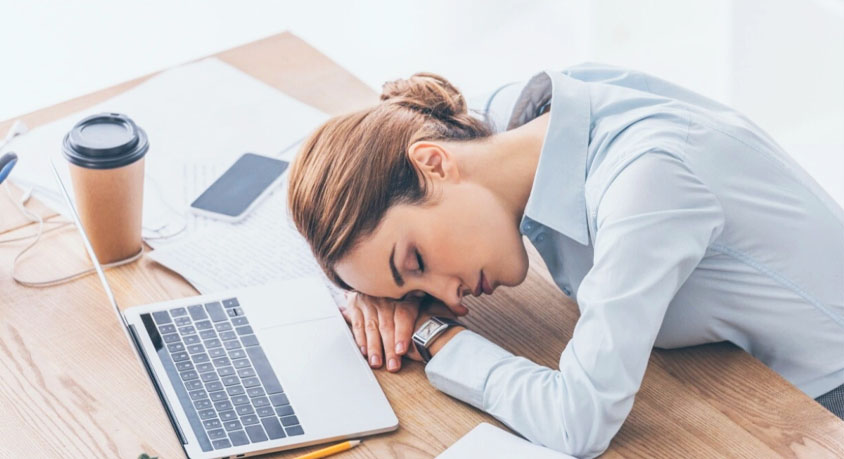
You’re tired. You know you should sleep. But your thumb keeps scrolling — one more video, one more post, one more headline. An hour later, you put the phone down, close your eyes, and… nothing. Your mind races. You feel alert, almost wired. You blame the blue light.
- 1、The Blue Light Story Is Incomplete
- 2、Behavioral Arousal: Why Your Brain Treats Scrolling Like a Threat
- 3、The One Change That Works Better Than Any Blue Light Filter
- 4、Why “No Screens Before Bed” Is Unrealistic for Most People
- 5、When Your Phone Isn’t the Problem
- 6、FAQs
For the past decade, we’ve been told that blue light from screens destroys melatonin and ruins sleep. Tech companies added “night mode” filters. Millions of people turn on warm tints every evening, expecting to fall asleep easily. Yet insomnia rates keep climbing. If blue light were the main problem, the solution would already be working.
It’s not that blue light does nothing. But the real sleep killer hiding in your nighttime phone habit is far more powerful — and far less discussed. Once you understand it, you can finally break the “tired but wired” cycle.
The Blue Light Story Is Incomplete
Blue light does suppress melatonin, the hormone that signals sleep. A 2015 study from Harvard found that evening blue light exposure shifted circadian rhythms by about three hours. That’s real. However, more recent research has shown that the intensity needed to cause significant harm is much higher than a typical phone screen produces.
A 2019 study in Sleep Health compared people using phones with blue light filters versus regular screens. The difference in melatonin levels was small — often less than the natural variation between individuals. Meanwhile, people who simply reduced their total screen time by 30 minutes before bed fell asleep faster regardless of blue light settings.
So if blue light isn’t the main villain, what is? The answer sits in your brain, not your eyes.
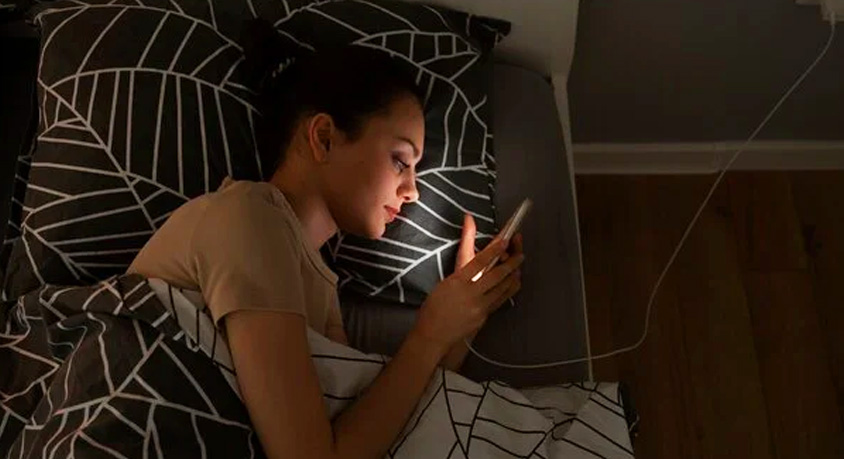
Behavioral Arousal: Why Your Brain Treats Scrolling Like a Threat
Every time you check a notification, watch a short video, or read an argument in the comments, your brain releases small amounts of dopamine and norepinephrine — arousal chemicals. These keep you alert, focused, and slightly anxious. They are the opposite of sleep signals.
This is called behavioral arousal. A 2021 meta-analysis in JAMA Network Open reviewed over 4,000 participants and found that evening social media use was more strongly linked to poor sleep quality than any other screen activity — including gaming or work emails. The reason? Social media is designed to be unpredictable. Each swipe delivers a variable reward, which keeps your brain in a state of anticipation.
Your body is ancient. It doesn’t know the difference between “waiting for a like” and “watching for a predator.” Both trigger mild stress responses. Cortisol stays elevated. Heart rate stays up. And then you wonder why you feel alert after an hour of scrolling.
The content matters more than the screen
Reading a calm book on a tablet (with warm light) has a very different effect than watching fast-cut TikTok videos. The light is similar. The cognitive arousal is wildly different. This explains why some people can fall asleep after watching a familiar, slow-paced show, while others can’t sleep after 15 minutes of Instagram.
The One Change That Works Better Than Any Blue Light Filter
Stop trying to dim your screen and start changing what you do with it. The most effective intervention is not a setting — it’s a hard boundary.
The 30-minute “content cliff”
Decide on a specific bedtime. Then set a phone alarm 30 minutes before that time. When the alarm goes off, you make a single switch: no more unpredictable, fast-paced, or emotionally charged content. No social media. No news. No work emails. No short videos where you don’t know what comes next.
What can you do instead? Watch a familiar, slow show (rewatch an episode you’ve seen). Listen to a podcast or audiobook. Read a long-form article you’ve saved — but nothing that triggers argument or excitement. Or simply turn on a sleep story or white noise and put the phone face-down.
This works because it removes the behavioral arousal loop. Your brain stops anticipating variable rewards and can begin the natural wind-down process. Many people notice improvement the very first night.
Why “No Screens Before Bed” Is Unrealistic for Most People
Let’s be honest. Telling someone to put the phone away two hours before bed is like telling someone to eat only kale. It’s correct in theory, but almost no one follows it for more than a few days. A more sustainable approach is harm reduction.
Practical, realistic rules
- Keep your phone on your nightstand, but turn off all push notifications after 9 PM. Notifications are designed to trigger arousal. Removing them cuts the main problem.
- Use grayscale mode in the evening. This removes the colorful, dopamine-boosting visual rewards. On iPhone and Android, you can set a shortcut to turn grayscale on with three clicks.
- If you watch videos, choose longer-form, narrative content (documentaries, lectures, calm ASMR) instead of short-form feeds. The predictability matters.
A 2022 study in Sleep tested a group of chronic late-night scrollers. Those who simply switched to grayscale mode and turned off notifications for one week reported a 40% reduction in sleep onset time — roughly double the improvement of those who only used blue light filters.
When Your Phone Isn’t the Problem
Sometimes, the inability to fall asleep after scrolling is not about the phone at all. It’s about delayed sleep phase syndrome, anxiety disorders, or simply not having enough sleep pressure built up. If you’ve tried changing your nighttime content for two weeks with no improvement, consider other factors:
- Are you getting morning sunlight exposure? Light in the morning is more important for your sleep clock than darkness at night.
- Do you exercise regularly? Physical activity builds sleep pressure.
- Do you nap after 3 PM? Late naps reduce the drive to sleep at night.
But for the millions of people who scroll, feel tired, but can’t transition into sleep — the fix is not a software setting. It’s recognizing that your brain is not a passive screen. It’s an active interpreter. Give it calm, predictable content before bed, and it will reward you with sleep.
FAQs
Q: Do blue light glasses work for better sleep?
A: They can help, but the effect is smaller than most marketing claims. A 2021 randomized controlled trial found that blue light glasses improved sleep quality by about 10–15% compared to no glasses — noticeable but not life-changing. They are a reasonable tool if you must use screens late, but changing what you watch matters more.
Q: Is it okay to watch TV before bed instead of using a phone?
A: TV usually involves sitting farther away and often has longer, more predictable content. That’s better. However, many streaming services now offer short, auto-playing trailers — similar to social media feeds. Choose a familiar movie or a slow documentary. Avoid news or thrillers right before sleep. The distance from the screen does reduce blue light impact, but arousal is still the main issue.