It’s a common experience: a heavy, greasy lunch followed by a profound afternoon mental fog, or a bout of nervousness that ties your stomach in knots. We often view these as separate events—a digestive issue here, an emotional one there. But what if these experiences are not separate at all, but two sides of the same coin? A growing revolution in neuroscience and gastroenterology suggests our understanding of the brain is fundamentally incomplete. It points to a vast, hidden network of communication originating not in our skull, but in our gut. This gut brain axis health connection reveals that our digestive system, home to trillions of bacteria, fungi, and viruses (the gut microbiome), acts as a master regulator, sending constant signals that can either nourish or harm our cognitive function. The state of your gut may well be the most overlooked factor in your memory, mood, and mental clarity.
E.g. :Bleeding Gums When Brushing? Here’s What Your Mouth Is Trying to Tell You
- 1、Understanding the Gut-Brain Highway: How Your Gut Microbiome Communicates with Your Brain
- 2、Feeding Your Brain Through Your Gut: The Role of Probiotics and Fermented Foods
- 3、The Critical Fuel: Using a High-Fiber Diet to Reduce Brain Inflammation
- 4、Building a Brain-Supportive Weekly Gut Microbiome Diet Plan
- 5、Actionable Habits Beyond Food for Optimal Gut-Brain Axis Health
- 6、Your Gut as a Cognitive Ally: A Long-Term Investment in Brain Health
- 7、FAQs
Understanding the Gut-Brain Highway: How Your Gut Microbiome Communicates with Your Brain
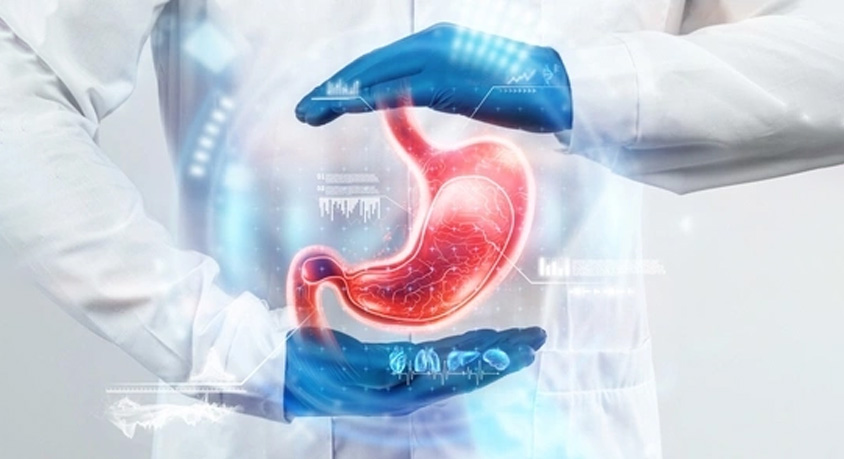
The gut brain axis is a bidirectional superhighway linking the enteric nervous system (the "second brain" in your gut) with your central nervous system. This communication happens through three primary pathways:
The Vagus Nerve: This is the main physical cable, transmitting signals directly from the gut to the brainstem.
The Immune System: Gut bacteria influence the production of inflammatory cytokines. A healthy microbiome keeps systemic brain inflammation in check, while dysbiosis (an imbalance) can fuel it.
Chemical Messengers: Gut microbes produce a staggering array of neuroactive compounds. They manufacture about 90% of the body's serotonin (a key mood regulator) and produce other chemicals like GABA (calming) and short-chain fatty acids (SCFAs), which have direct effects on brain function and neuroplasticity.
Feeding Your Brain Through Your Gut: The Role of Probiotics and Fermented Foods
One of the most direct ways to influence this axis is by introducing beneficial bacteria. Probiotics for memory and cognitive function is an emerging field with promising data.
The Evidence for Cognitive Support
Specific strains of probiotics, often called "psychobiotics," have been studied for their brain effects. A 2016 review in the Journal of Neurogastroenterology and Motility analyzed several studies and found that probiotic supplementation could positively impact psychological outcomes, including aspects of memory and reduced cognitive reactivity to sad mood in healthy individuals.
Incorporating Natural Sources
Prioritize whole-food sources of probiotics to support a diverse gut microbiome diet. Key fermented foods benefits come from:
Yogurt & Kefir: Rich in Lactobacillus and Bifidobacteria strains.
Kimchi & Sauerkraut: Fermented vegetables that provide live cultures and prebiotic fiber.
Kombucha: A fermented tea beverage (choose low-sugar varieties).
Miso & Tempeh: Fermented soy products. A fermented foods kit can make incorporating these at home simple and economical.
The Critical Fuel: Using a High-Fiber Diet to Reduce Brain Inflammation
While probiotics add beneficial soldiers, prebiotic fiber feeds the entire army. A fiber-rich gut microbiome diet is non-negotiable for cognitive health.
How Fiber Produces Brain-Protective Compounds: When you eat fibrous foods (like onions, garlic, asparagus, oats, and legumes), your gut bacteria ferment them, producing short-chain fatty acids (SCFAs) like butyrate. Butyrate is a powerhouse: it strengthens the gut lining (preventing "leaky gut"), has potent anti-inflammatory properties, and may cross the blood-brain barrier to support neuroprotection. By increasing SCFA production, you directly work to reduce brain inflammation.
Practical Daily Goals: The average intake falls short. Aim for at least 25-35 grams of fiber daily from diverse plant sources. Using a digital kitchen scale can help you learn what a 100-gram serving of broccoli or lentils looks like, making tracking easier. For those struggling to meet goals, a plain fiber supplement powder (like acacia fiber or psyllium husk) can be a helpful bridge.
Building a Brain-Supportive Weekly Gut Microbiome Diet Plan
Translating this science into daily meals ensures consistent support for the gut brain axis health.
Daily Foundations: Include a diverse array of colorful vegetables at every meal. Add a serving of fermented food daily (e.g., yogurt at breakfast, sauerkraut on a salad).
Sample Brain-Gut Friendly Day:
Breakfast: Oatmeal made with kefir instead of milk, topped with walnuts and a handful of berries.
Lunch: Large salad with mixed greens, chickpeas (fiber and protein), avocado, and a tablespoon of kimchi.
Dinner: Grilled salmon (rich in anti-inflammatory omega-3s) with a side of roasted asparagus and a quinoa salad.
Snack: An apple with a small piece of aged cheese.
Actionable Habits Beyond Food for Optimal Gut-Brain Axis Health
Diet is the cornerstone, but other lifestyle factors powerfully modulate the axis.
Manage Chronic Stress: As discussed in previous articles, stress directly alters gut microbiota composition and increases intestinal permeability, negatively impacting the brain.
Prioritize Sleep: The gut microbiome has its own circadian rhythm. Disrupted sleep can harm microbial diversity.
Move Regularly: Exercise increases microbial diversity and the production of beneficial SCFAs.
Eat Mindfully and Chew Thoroughly: Digestion begins in the mouth. Proper chewing reduces stress on the gut and improves nutrient extraction for you and your microbes.
Your Gut as a Cognitive Ally: A Long-Term Investment in Brain Health
The journey to improve memory and protect cognitive function is profoundly holistic. By nourishing your gut microbiome with targeted probiotics for memory, ample prebiotic fiber, and anti-inflammatory foods, you are not just soothing your stomach—you are sending clear, constructive signals up the vagus nerve to your hippocampus and prefrontal cortex. You are cultivating an internal environment that produces calming neurotransmitters and fights systemic inflammation. Begin not with a drastic overhaul, but by adding one fermented food and one extra vegetable to your day. Over time, these choices compound, transforming your "second brain" into a steadfast guardian of your first.
FAQs
Q: Do I need to take a probiotic supplement, or are fermented foods enough?
A: For most people, regularly consuming a variety of fermented foods benefits gut health significantly and is the preferred first step, as it provides a diverse array of live cultures within a whole-food matrix. However, high-quality probiotic supplements can be useful in specific situations, such as after a course of antibiotics or for targeted support under the guidance of a healthcare professional. Supplements offer specific, high-potency strains, while fermented foods support broader diversity. A diverse gut microbiome diet rich in fiber is essential for both approaches to succeed.
Q: How long does it take to see improvements in memory or focus after improving gut health?
A: The timeline is highly individual, depending on your starting point. Some people report changes in energy, digestion, and mood within a few weeks of consistent dietary improvement. Measurable shifts in microbial composition can begin in days, but more stable, long-term changes and potential cognitive effects like clearer focus may take several months of sustained habit change. The key is consistency—view it as a long-term gut brain axis health investment, not a quick fix. The anti-inflammatory effects of a high-fiber diet contribute to a foundation that supports brain health over a lifetime.