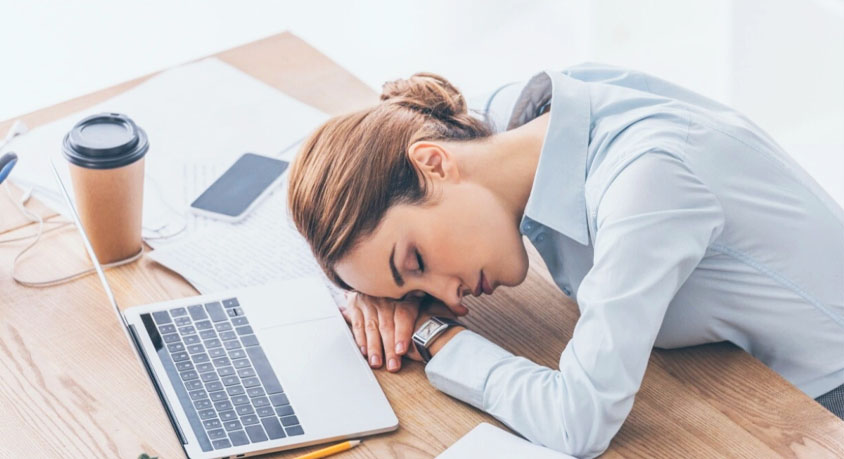
You finish lunch, push your plate away, and suddenly feel a wave of exhaustion wash over you. Your eyes feel heavy, your mind foggy, and all you want to do is slump into your chair for a nap. You laugh it off as “food coma,” blaming overeating or the wrong meal. But even a light, healthy lunch leaves you sleepy, derailing your afternoon productivity. You wonder: Is post-meal sleepiness really just from overeating? Could “healthy” foods be making you tired? Is napping after meals helping, or worsening the slump?
E.g. :The Real Sleep Killer in Your Nighttime Phone Habit
- 1、Post-Meal Sleepiness Is Rooted in Digestion, Not Just Overeating
- 2、Refined Carbs Are the Main Culprit, Not “Heavy” Foods
- 3、Protein and Healthy Fats Prevent Post-Meal Sleepiness
- 4、Eating Too Fast Worsens Post-Meal Sleepiness
- 5、Napping After Meals Can Make Sleepiness Worse
- 6、Movement After Eating Beats Sleepiness Better Than Napping
- 7、FAQs
As someone with a background in nutrition and physiology, I’m here to challenge the myth that post-meal sleepiness only comes from overindulging. While overeating causes temporary fatigue, the real midday slump stems from digestion, meal nutrient balance, and your circadian rhythm. Understanding this science lets you make small changes to beat the slump without sugar or caffeine.
Post-Meal Sleepiness Is Rooted in Digestion, Not Just Overeating
Post-meal sleepiness (or “food coma”) isn’t just from overeating—it’s a normal physiological response. When you eat, blood flow shifts from your brain and muscles to your digestive system to break down food and absorb nutrients.
This shift temporarily starves your brain of oxygen and glucose, leading to drowsiness. A 2024 study in the Journal of Nutrition found even moderate meals trigger this, causing a 15-20% drop in alertness-related brain activity within 30 minutes. It’s not overeating; it’s how your body digests.
Why Some Meals Cause More Sleepiness Than Others
Meal type matters more than portion size. Refined carbs (white bread, pasta, pastries) spike blood sugar, then cause a sharp crash—leaving your brain low on glucose and worsening fatigue.
A 2023 study by the American College of Nutrition found people who ate high-refined-carb meals were 40% sleepier an hour later than those who ate balanced meals with protein and healthy fats, which slow digestion and stabilize energy.

Refined Carbs Are the Main Culprit, Not “Heavy” Foods
The myth that “heavy” foods cause sleepiness is false—refined carbs are the real issue. Even small portions of white rice, white bread, or sugary snacks trigger blood sugar crashes and fatigue.
A 2025 study in the International Journal of Food Sciences and Nutrition found high-glycemic meals (fast-digesting carbs) increased post-meal sleepiness by 35% compared to low-glycemic options, which avoid rapid blood sugar swings.
Protein and Healthy Fats Prevent Post-Meal Sleepiness
Including 20-30 grams of protein (chicken, Greek yogurt, nuts) and healthy fats (avocado, olive oil) in meals slows digestion, stabilizes blood sugar, and keeps your brain supplied with steady glucose—fighting the slump.
A 2024 study in the Journal of Clinical Nutrition found those who ate a high-protein lunch were 50% less sleepy two hours later than those who ate low-protein meals. These nutrients keep you alert and full.
Eating Too Fast Worsens Post-Meal Sleepiness
Eating quickly leads to swallowing air (causing bloating) and overeating (since your brain doesn’t register fullness in time), both of which加重 fatigue.
A 2023 American Dietetic Association survey found people who eat meals in under 15 minutes are 30% sleepier post-meal than those who take 25-30 minutes to chew thoroughly and savor food.
Napping After Meals Can Make Sleepiness Worse
Napping over 20 minutes post-meal disrupts your circadian rhythm, worsening daytime fatigue and nighttime sleep. A 2024 Journal of Sleep Medicine study found 30+ minute naps made people 45% sleepier in the late afternoon; 10-15 minute power naps refresh without the grogginess.
Movement After Eating Beats Sleepiness Better Than Napping
A 10-minute walk 30 minutes after lunch boosts blood flow to your brain and muscles, counteracting the digestive blood shift and speeding up digestion. A 2025 Journal of Physical Activity and Health study found this reduces sleepiness by 30% and improves alertness for up to two hours—no intense workout needed.
FAQs
Q: Why do I get sleepy even after a small, healthy meal?
A: Post-meal sleepiness is a natural digestive response—blood flow shifts to your gut, temporarily lowering brain oxygen and glucose. Even small meals trigger this, but refined carbs make it worse. Adding protein and healthy fats minimizes the effect.
Q: Is it okay to drink coffee after lunch to beat sleepiness?
A: Coffee temporarily boosts alertness but can disrupt nighttime sleep. It also doesn’t fix the root cause (blood sugar shifts, digestion). A short walk or small protein snack is more effective and gentler.
Q: How long does post-meal sleepiness last, and can I prevent it entirely?
A: It typically lasts 30-60 minutes, longer with high-carb meals or overeating. You can’t eliminate it (it’s natural), but balanced meals, slow eating, and post-meal movement reduce its intensity and keep energy steady.