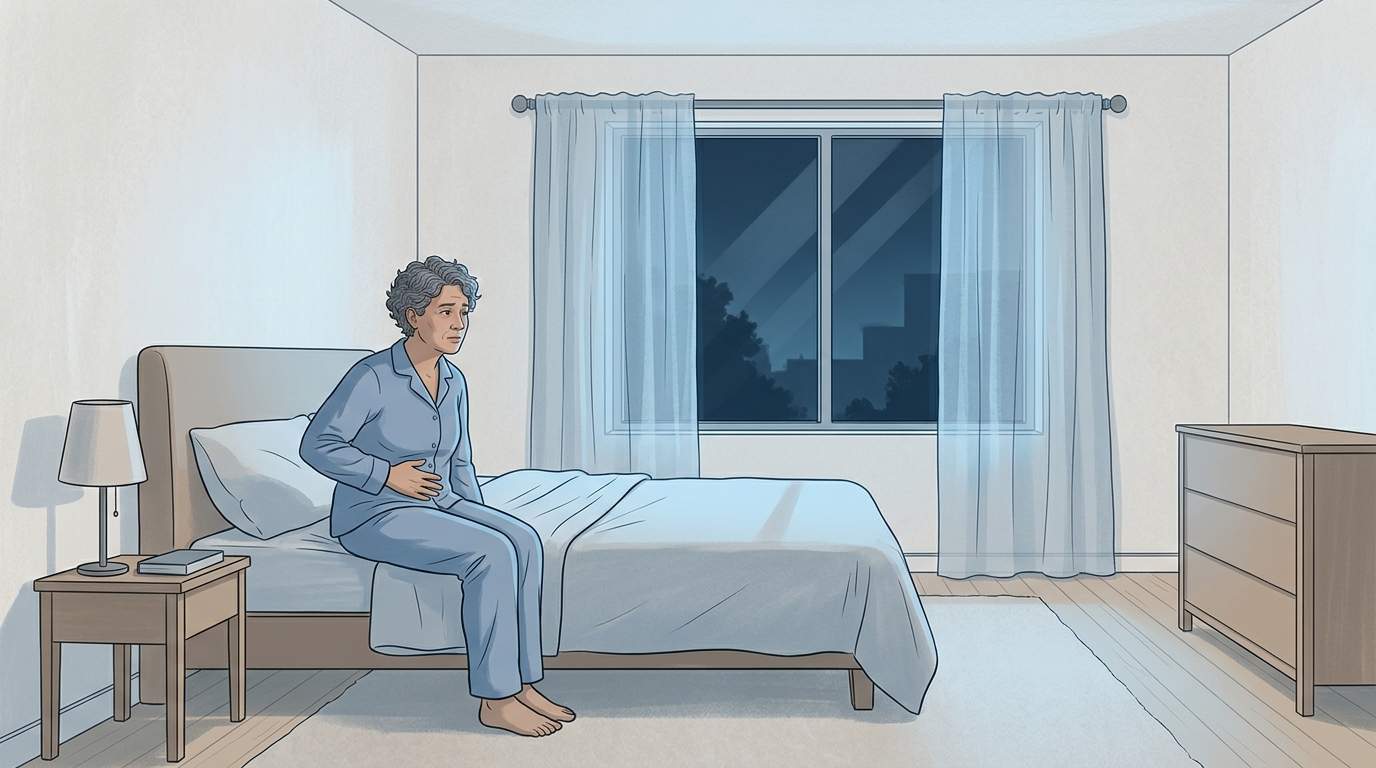
You know the feeling. It is 3 p.m., you skipped lunch, and suddenly your coworker's innocent question feels like a personal attack. Your patience evaporates. Your stomach growls. Every decision feels harder. This is not just hunger; it is "hanger"—the explosive blend of hunger and anger that has earned its own portmanteau. But hanger is not a character flaw or a failure of willpower. It is a predictable biochemical event, rooted in the brain's absolute dependence on glucose. When blood sugar drops rapidly, the body perceives a threat to its most energy-hungry organ. It floods the system with stress hormones, hijacks emotional circuits, and impairs the very regions of the brain needed for rational thought. Understanding the science of hanger is not just an excuse for snapping at loved ones. It is a roadmap to better mood, sharper thinking, and healthier relationships. And the solution is simpler than you think.
- 1、The Glucose Roller Coaster: How Blood Sugar Rises and Falls
- 2、The Brain's Preferred Fuel: Why Glucose Matters for Mood and Thought
- 3、How Reactive Hypoglycemia Triggers the Stress Response
- 4、Why Decision-Making Collapses When Blood Sugar Drops
- 5、Practical Strategies to Prevent the Hangry Spiral
- 6、When Hanger Is a Sign of Something Deeper
- 7、The Takeaway
- 8、FAQs
The Glucose Roller Coaster: How Blood Sugar Rises and Falls
To understand hanger, you must first understand the normal rhythm of blood glucose. After a meal, carbohydrates break down into glucose, which enters the bloodstream. The pancreas releases insulin, which escorts glucose into cells for energy. In a healthy person, this system keeps blood sugar within a narrow range (70-140 mg/dL). But not all meals are equal.
The Crash After the Spike
When you eat a meal high in refined carbohydrates—white bread, sugary cereal, a soda—glucose spikes rapidly. Insulin overshoots, driving glucose down too fast. This is called reactive hypoglycemia: a blood sugar dip that occurs within 2-4 hours after eating. A 2018 study in Nutrients found that reactive hypoglycemia is common in healthy adults, especially after high-glycemic meals. The symptoms: shakiness, sweating, heart palpitations, and—crucially—irritability and anxiety. The brain, sensing a fuel shortage, sounds the alarm.
The Brain's Preferred Fuel: Why Glucose Matters for Mood and Thought
The adult brain weighs only about 2% of body mass but consumes 20% of the body's energy, almost exclusively from glucose. Unlike muscles, which can switch to fat or ketones, most brain regions have a limited ability to use alternative fuels. A drop in blood glucose is, to the brain, a supply-line disruption.
The Threshold Effect
Mild hypoglycemia (55-70 mg/dL) impairs cognitive function even before physical symptoms appear. A 2015 study in Diabetes Care used functional MRI to show that during hypoglycemia, the prefrontal cortex—responsible for decision making, impulse control, and emotional regulation—shows reduced activation. The amygdala, the brain's fear and anger center, becomes relatively more active. This imbalance produces the classic hangry state: you are more reactive, less able to inhibit emotional outbursts, and worse at planning solutions.
How Reactive Hypoglycemia Triggers the Stress Response
The body cannot distinguish between a glucose crash and a physical threat. The same emergency system activates.
The Adrenaline Surge
When blood sugar drops, the adrenal glands release epinephrine (adrenaline). This hormone raises heart rate, increases blood pressure, and mobilizes glucose from liver stores. But adrenaline also produces the familiar symptoms of anxiety: jitteriness, sweating, and a sense of impending doom. A 2019 study in Psychoneuroendocrinology found that experimentally induced hypoglycemia increased self-reported irritability and hostility within 30 minutes. Participants rated neutral faces as more angry—a perceptual shift that primes conflict.
Cortisol's Slow Burn
If low blood sugar persists, the body releases cortisol. While cortisol is essential for survival, chronic or repeated spikes contribute to low-grade inflammation and insulin resistance. Over time, the hangry cycle can worsen metabolic health, making blood sugar swings more frequent.

Why Decision-Making Collapses When Blood Sugar Drops
Glucose decision making is a well-studied phenomenon. The prefrontal cortex is exquisitely sensitive to fuel availability. When glucose is low, this region literally has less energy to work with.
The Depletion Model
A series of studies by psychologist Roy Baumeister and colleagues found that acts of self-control (resisting a cookie, making a tough decision) deplete blood glucose, and replenishing glucose restores self-control. A 2011 replication in Journal of Experimental Social Psychology showed that judges were more likely to grant parole after a meal break (when glucose was restored) than just before. The effect was not about fatigue or mood; it was about fuel. Low glucose leads to impulsive choices, riskier decisions, and difficulty resisting temptation. In the hangry state, you are more likely to send that angry email, overspend, or eat the very junk food that caused the crash.
The Social Cost
A 2014 study in Proceedings of the National Academy of Sciences tracked married couples and measured their blood glucose before and after a lab task designed to provoke conflict. Lower glucose predicted more aggressive behavior (blasting a partner with loud noise) and greater self-reported anger. The effect was independent of relationship satisfaction. In other words, even happy couples fight more when hungry.
Practical Strategies to Prevent the Hangry Spiral
The solution is not willpower; it is meal engineering.
Prioritize Protein and Fiber
Protein and fiber slow gastric emptying and blunt the glucose spike. A meal or snack containing at least 15-20 grams of protein (Greek yogurt, eggs, chicken, beans) and 5-10 grams of fiber (vegetables, legumes, whole grains) produces a steady glucose rise and fall. A protein snack bar with low sugar (look for 10g+ protein, <5g sugar) can be a convenient bridge between meals.
Eat Every 3-4 Hours
For most people, blood sugar begins to drop significantly 3-4 hours after a meal. Planning a small, balanced snack—apple with peanut butter, hummus with carrots, a handful of nuts—prevents the crash. Using a meal prep container to pack snacks ensures you are never caught empty-handed.
Avoid Liquid Sugars
Soda, sweetened coffee drinks, and fruit juice cause the most dramatic spikes and crashes. Replace with water, unsweetened tea, or sparkling water with lemon. If you need sweetness, eat the whole fruit (with fiber) rather than drinking the juice.
Monitor Your Own Response
Individuals vary. A portable glucose monitor (continuous or finger-stick) can reveal which foods cause your personal glucose roller coaster. Some people tolerate small amounts of dark chocolate; others do not. Self-experimentation is the gold standard.
When Hanger Is a Sign of Something Deeper
Occasional hanger is normal. Frequent, severe episodes may indicate impaired glucose tolerance, prediabetes, or reactive hypoglycemia syndrome. If you experience shakiness, confusion, or fainting, consult a physician. A simple oral glucose tolerance test can diagnose abnormal glucose handling.
The Takeaway
Hanger is not a moral failing. It is a neuroendocrine event—a predictable consequence of a glucose crash that hijacks the brain's emotional and decision-making circuits. The solution is not to suppress your feelings or try harder to be nice. It is to stabilize your blood sugar with protein, fiber, and regular meals. The next time you feel the familiar rise of irritability, pause. Ask yourself: when did I last eat? What did I eat? The answer may defuse an argument, save a relationship, or simply remind you that you are not a bad person; you are just hungry.
FAQs
Q: Can being hangry really affect my long-term health, or is it just a short-term mood issue?
A: Repeated episodes of reactive hypoglycemia and the accompanying stress response can contribute to insulin resistance over time. Chronic cortisol spikes from frequent low blood sugar may also increase visceral fat storage and systemic inflammation. Addressing the dietary causes of hanger—refined carbs, low protein, long gaps between meals—improves both daily mood and long-term metabolic health.
Q: I'm not diabetic. Why do I still experience dramatic blood sugar crashes after eating?
A: Reactive hypoglycemia occurs in healthy individuals, especially after high-glycemic meals. Your pancreas may release insulin slightly too aggressively in response to a rapid glucose spike. This is not a disease, but it is a sign that your diet could be optimized. Switching to lower-glycemic, higher-protein, higher-fiber meals often eliminates symptoms. If crashes persist despite dietary changes, see a doctor to rule out conditions like postprandial hypoglycemia or insulinoma.
Q: What is the fastest way to fix hanger once it has already started?
A: Consume 15-20 grams of fast-acting carbohydrate (half a banana, a small apple, 4 ounces of juice, or a glucose tablet) to raise blood sugar quickly. Follow within 15 minutes with a source of protein and fat (cheese stick, handful of nuts, a protein snack bar) to stabilize the rise and prevent another crash. Do not rely on candy or soda alone; they will spike and then crash you again. The combination is key. Keep a portable snack in your bag or desk drawer for emergencies.