
We tend to think of loneliness as an emotional state—a sadness, a longing, an ache for connection. What we fail to appreciate is that loneliness is also a physiological event, with measurable consequences that ripple through every organ system. When the human animal perceives itself as isolated, the brain interprets this as a threat to survival. In response, it activates the stress axis, flooding the body with cortisol and adrenaline. If this activation is acute and brief, it is adaptive. But when loneliness becomes chronic—as it has for millions in the modern world—the stress response never fully shuts off. The result is persistent elevation of inflammatory markers, accelerated cellular aging, and increased risk for diseases ranging from heart disease to dementia to depression. This is not metaphor. This is molecular biology. Understanding the loneliness-inflammation connection reframes social connection from a luxury to a biological necessity, as essential as sleep and nutrition.
- 1、The Stress-Loneliness Loop: How Isolation Activates the HPA Axis
- 2、Chronic Stress Hormones: The Pathway from Loneliness to Systemic Inflammation
- 3、The Health Consequences: What Chronic Loneliness Does to the Body
- 4、Measuring and Mitigating the Inflammatory Toll of Loneliness
- 5、When to Seek Professional Help
- 6、The Takeaway
- 7、FAQs
The Stress-Loneliness Loop: How Isolation Activates the HPA Axis
The hypothalamic-pituitary-adrenal (HPA) axis is the body's central stress response system. When you perceive a threat—including the threat of social isolation—the hypothalamus releases corticotropin-releasing hormone (CRH), which signals the pituitary to release ACTH, which tells the adrenal glands to produce cortisol. In a healthy, connected individual, cortisol rises in the morning and falls throughout the day, with brief spikes in response to acute stressors. In chronically lonely individuals, the HPA axis becomes dysregulated. A 2018 study in Psychoneuroendocrinology found that lonely adults had significantly higher basal cortisol levels and flatter diurnal cortisol slopes—meaning their stress hormone never dropped as it should at night. This constant low-grade elevation is not benign. Cortisol receptors become desensitized, the feedback loop weakens, and the body remains in a state of chronic alert.
Chronic Stress Hormones: The Pathway from Loneliness to Systemic Inflammation
Chronic stress hormones do not just make you feel anxious; they directly reprogram your immune system. Cortisol, at appropriate levels, is anti-inflammatory. It suppresses the production of pro-inflammatory cytokines. But when cortisol is persistently elevated, immune cells become resistant to its suppressive effects—a phenomenon called glucocorticoid resistance. The result is that inflammatory signaling molecules like interleukin-6 (IL-6) and tumor necrosis factor-alpha (TNF-α) are overproduced. A landmark 2007 study in Brain, Behavior, and Immunity examined gene expression in lonely individuals and found that genes related to inflammation were significantly upregulated, while genes involved in antiviral responses were downregulated. This "conserved transcriptional response to adversity" is the body's ancient way of preparing for injury in a hostile environment. In the context of chronic loneliness, this response becomes maladaptive, driving the systemic inflammation causes that underlie so many modern diseases.
The Vicious Cycle of Inflammation and Behavior
Inflammation does not stay in the body; it reaches the brain. Pro-inflammatory cytokines can cross the blood-brain barrier or signal via the vagus nerve, triggering what is known as "sickness behavior": fatigue, social withdrawal, anhedonia (loss of pleasure), and increased sensitivity to threat. These symptoms make a lonely person even less likely to seek social contact, perpetuating the isolation. A 2019 study in Biological Psychiatry found that participants who were experimentally induced with low-grade inflammation reported feeling more socially disconnected and showed reduced brain activity in regions associated with social reward. Loneliness creates inflammation, and inflammation deepens loneliness—a devastating feedback loop.
The Health Consequences: What Chronic Loneliness Does to the Body
The data on loneliness and mortality are staggering. A 2015 meta-analysis of 70 studies involving 3.4 million participants found that social isolation, loneliness, and living alone were associated with a 26-32% increased risk of all-cause mortality—an effect comparable to obesity, physical inactivity, and smoking 15 cigarettes per day. The mechanisms are largely inflammatory.
Cardiovascular Disease
Chronic inflammation drives atherosclerosis (plaque buildup in arteries). A 2016 study in Heart found that loneliness was associated with a 30% higher risk of incident coronary heart disease and stroke, independent of traditional risk factors.
Cognitive Decline
Inflammatory cytokines are toxic to neurons, particularly in the hippocampus. A 2020 study in Alzheimer's & Dementia reported that lonely older adults had a 40% higher risk of developing dementia over 10 years, with brain imaging showing accelerated gray matter loss.
Metabolic Syndrome
Inflammation impairs insulin signaling, promoting insulin resistance and visceral fat storage. Lonely individuals have higher rates of metabolic syndrome, type 2 diabetes, and non-alcoholic fatty liver disease.
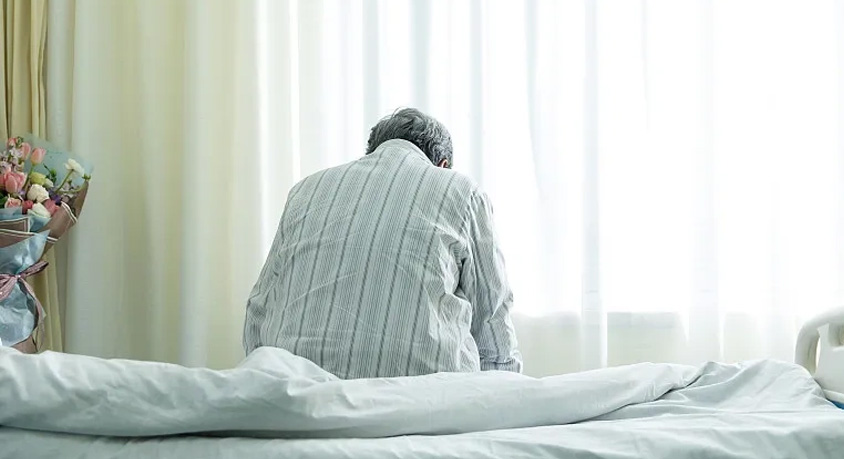
Measuring and Mitigating the Inflammatory Toll of Loneliness
You cannot fix loneliness with a pill, but you can interrupt the biological cascade with targeted lifestyle interventions.
Social Prescribing and Structured Connection
Treat social connection as you would exercise: schedule it. Join a book club, a walking group, a volunteer organization. Repeated, predictable contact with the same people builds trust and reduces the threat response. A social connection journal can help you track interactions and identify patterns of isolation.
Stress Reduction Techniques
Mindfulness meditation, yoga, and deep breathing lower cortisol and reduce inflammatory markers. A 2018 study found that an 8-week mindfulness program reduced IL-6 levels in lonely older adults by 20%. Using a heart rate variability monitor can provide biofeedback, showing you when your nervous system is shifting from stress to calm.
Physical Touch and Warmth
The absence of touch is a specific driver of loneliness inflammation. A weighted blanket (15-20% of body weight) can simulate the calming pressure of a hug, reducing cortisol and increasing oxytocin. Safe, consensual touch from a pet, a friend, or a professional massage therapist also helps.
Sleep Hygiene
Loneliness often disrupts sleep. Poor sleep, in turn, increases inflammation. Protect your sleep with a consistent bedtime, dark room, and cool temperature. A weighted blanket can improve sleep quality by reducing nighttime cortisol.
When to Seek Professional Help
Loneliness that persists despite efforts to connect may be entwined with depression or anxiety. Cognitive-behavioral therapy (CBT) specifically addresses the negative thoughts that maintain isolation ("no one wants to talk to me," "I have nothing to offer"). Group therapy provides social practice in a safe setting. If loneliness is causing significant distress or physical symptoms, consult a mental health professional.
The Takeaway
Loneliness is not merely a sad feeling. It is a biological state that activates stress hormones, dysregulates the immune system, and drives chronic inflammation. This inflammation, in turn, damages blood vessels, accelerates brain aging, and increases risk for nearly every chronic disease. The solution is not to shame yourself for being lonely; it is to recognize that your need for connection is as real as your need for food. Prioritize social contact with the same seriousness you apply to exercise and sleep. Reach out. Join a group. Call a friend. Your biology will thank you.
FAQs
Q: Can online social interaction reduce the inflammatory effects of loneliness, or is in-person contact necessary?
A: In-person contact is more potent, but meaningful online interaction is better than none. A 2019 study found that video calls (not text or social media) produced some oxytocin and cortisol reduction, though less than face-to-face meetings. The key is active, synchronous engagement, not passive scrolling. Use video calls for long-distance relationships. But prioritize in-person contact for the full sensory experience—touch, eye contact, shared space—that down-regulates the stress axis most effectively.
Q: I live alone and work from home. How can I build enough social connection to lower my inflammation risk?
A: Start with micro-connections: a brief chat with a barista, a wave to a neighbor, a 5-minute phone call with a friend. These are not trivial; each one provides a small cortisol reduction. Then, schedule recurring in-person activities: a weekly exercise class, a volunteer shift, a book club. The key is repeated, predictable contact with the same people, which builds safety and trust. If mobility or geography is a barrier, consider a pet. A 2020 study found that pet owners had lower CRP levels than non-owners, and the effect was strongest for those who reported close bonds with their pets.
Q: Can a weighted blanket really help with the physiological effects of loneliness?
A: Yes, though it is not a substitute for human contact. A weighted blanket applies deep pressure stimulation, which activates the parasympathetic nervous system, reducing cortisol and increasing oxytocin and serotonin. A 2020 randomized controlled trial found that weighted blanket use significantly reduced anxiety and improved sleep in adults with insomnia, with effects comparable to a mild anxiolytic. For individuals who are touch-deprived, a weighted blanket can be a useful bridge. But use it in addition to, not instead of, seeking real social connection.