You stand in front of the mirror, watching a handful of hair swirl down the drain as you rinse your shampoo. Panic creeps in: you’ve heard time and again that washing your hair every day strips it of natural oils, weakens the roots, and leads to more hair loss. So you cut back to washing just twice a week, only to find even more strands on your pillow in the morning. Confusion sets in—why is the “solution” making things worse? What if everything you’ve been told about hair washing and hair loss is backwards?
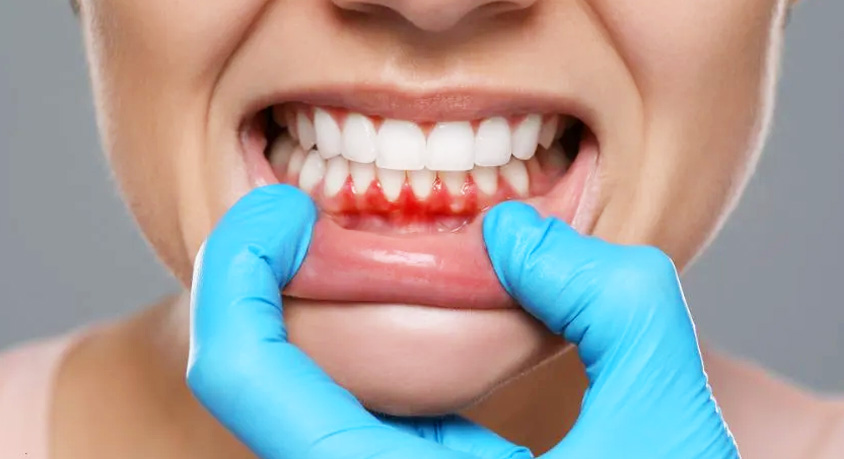
E.g. :Bleeding Gums When Brushing? Here’s What Your Mouth Is Trying to Tell You
- 1、Myth 1: Daily Hair Washing Causes Hair Loss (Here’s Why It Doesn’t)
- 2、Myth 2: Skipping Washes “Strengthens” Hair (It Actually Clogs Follicles)
- 3、What Actually Causes Hair Loss (Beyond Washing Habits)
- 4、How to Wash Your Hair Correctly (For Healthy Follicles)
- 5、How to Protect Hair Follicles Long-Term (Beyond Washing)
- 6、FAQs
This is a reality for millions of people worldwide, stuck in a cycle of avoiding daily washes to “protect” their hair, yet watching it thin anyway. The truth lies not in how often you wash your hair, but in what you use, how you wash it, and the hidden factors that damage hair follicles without you noticing. Let’s break down the myths, the science, and the simple changes that actually protect your hair.
Myth 1: Daily Hair Washing Causes Hair Loss (Here’s Why It Doesn’t)
A 2023 survey by the American Academy of Dermatology found that 68% of adults believe daily hair washing leads to increased hair loss. This myth persists because people confuse “normal hair shedding” with “damage-induced hair loss.” The average person loses 50 to 100 hairs per day—this is a natural part of the hair growth cycle, where old hairs fall out to make room for new ones.
Washing your hair does not cause these hairs to fall out; it simply washes away the strands that were already loose and ready to shed. In fact, avoiding washing can do more harm: built-up oil, dirt, and product residue can clog hair follicles, leading to inflammation and slower hair growth over time. The key is not how often you wash, but the method and products you use.
The Real Culprit: Harsh Shampoos and Incorrect Washing Techniques
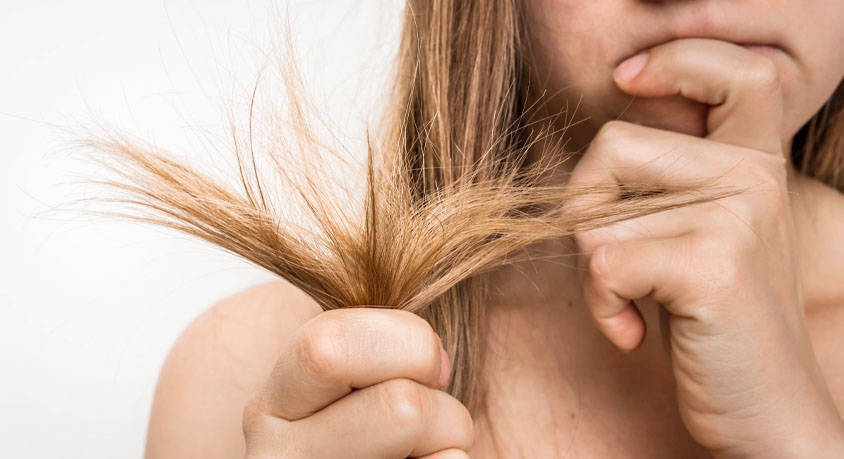
Many shampoos contain sulfates (like sodium lauryl sulfate) that strip the scalp of its natural sebum—the oil that protects hair follicles and keeps hair moisturized. When the scalp is over-dried, it produces more oil to compensate, creating a cycle of greasy hair and aggressive washing. Additionally, scrubbing the scalp too hard or using hot water can irritate the follicles, weakening the hair shaft and leading to breakage.
Myth 2: Skipping Washes “Strengthens” Hair (It Actually Clogs Follicles)
Another common belief is that letting oil build up on the scalp “nourishes” the hair. While sebum is essential for hair health, excess oil mixed with sweat, dead skin cells, and styling products forms a layer that clogs hair follicles. A 2022 study published in the Journal of Cosmetic Dermatology found that participants who washed their hair 3-4 times per week had healthier hair follicles and less breakage than those who washed once a week.
Clogged follicles can lead to a condition called folliculitis—small, inflamed bumps on the scalp—that weakens hair roots over time. Over time, this can slow down new hair growth and even lead to temporary hair thinning. For people with oily scalps, skipping washes can make the problem worse, as excess oil weighs down hair and makes it more prone to breakage.
What Actually Causes Hair Loss (Beyond Washing Habits)
While washing frequency is rarely the issue, several other factors are far more likely to contribute to hair loss. These include:
- Nutritional gaps: A lack of iron, biotin, and omega-3 fatty acids can weaken hair follicles. A 2021 study in the European Journal of Nutrition found that 30% of people with hair loss had low iron levels.
- Stress and hormonal changes: Chronic stress raises cortisol levels, which disrupts the hair growth cycle and can lead to telogen effluvium—a condition where large amounts of hair fall out 2-3 months after a stressful event.
- Heat styling and tight hairstyles: Using hair dryers on high heat, curling irons, or tight ponytails/pulled-back styles puts constant tension on hair follicles, leading to breakage and traction alopecia.
Understanding these factors helps you focus on what truly matters for hair health, instead of fixating on how often you wash your hair.
How to Wash Your Hair Correctly (For Healthy Follicles)
The goal of washing your hair is to clean the scalp without damaging it. Here’s a science-backed routine that works for most hair types:
- Use lukewarm water: Hot water irritates the scalp and strips sebum; cold water doesn’t effectively remove dirt. Lukewarm water balances cleanliness and protection.
- Choose a mild, sulfate-free shampoo: Look for shampoos with gentle surfactants (like cocamidopropyl betaine) that clean without over-drying. For those with dry hair, add a conditioner focused on scalp hydration.
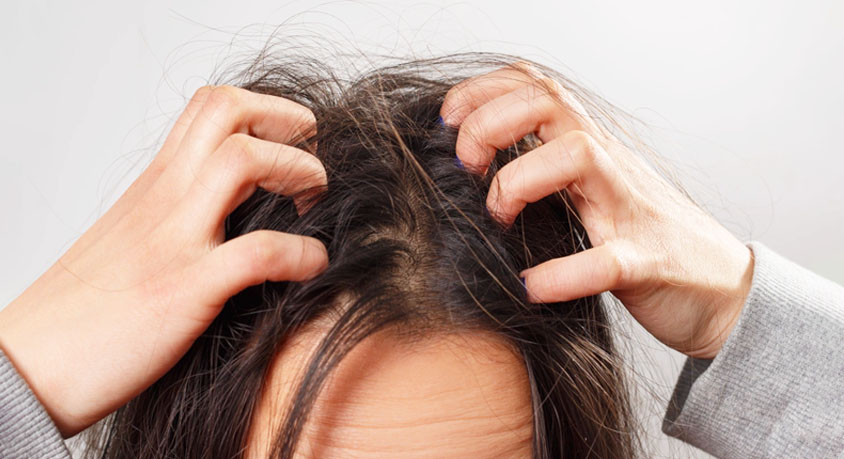
- Massage, don’t scrub: Use your fingertips to gently massage the scalp in circular motions—this stimulates blood flow to follicles without causing irritation. Avoid using your nails, which can scratch the scalp.
- Rinse thoroughly: Residue from shampoo or conditioner can clog follicles, so take extra time to rinse all products out.
Adjusting for Your Hair Type
- Oily scalp: Daily washing with a mild shampoo is perfectly fine—your scalp produces more sebum, so frequent cleaning prevents buildup.
- Dry scalp: Wash 2-3 times per week, and use a hydrating conditioner on both scalp and hair to avoid over-drying.
- Curly/coily hair: Curly hair tends to be drier, so wash 1-2 times per week, and use a leave-in conditioner to lock in moisture.
How to Protect Hair Follicles Long-Term (Beyond Washing)
Healthy hair starts with healthy follicles, and this requires more than just proper washing. Here are simple, evidence-based steps to support long-term hair health:
- Eat a balanced diet: Include iron-rich foods (spinach, lentils), biotin (eggs, nuts), and omega-3s (salmon, chia seeds) to nourish follicles from the inside out.
- Limit heat styling: Air-dry your hair when possible, and use a heat protectant spray if you do use hot tools. Keep the temperature below 300°F (149°C) to avoid damaging the hair shaft.
- Avoid tight hairstyles: Opt for loose ponytails, braids, or buns to reduce tension on follicles. If you wear tight styles, alternate with looser ones to give your scalp a break.
- Manage stress: Practices like meditation, yoga, or daily walks can lower cortisol levels and support a healthy hair growth cycle.
FAQs
Q: If daily washing doesn’t cause hair loss, why do I lose more hair in the shower?
A: The hair you lose in the shower is already in the “shedding phase” of the growth cycle—washing simply removes strands that were already loose. You’d lose these hairs anyway, whether you wash your hair or not.
Q: Can sulfates in shampoo cause permanent hair loss?
A: Sulfates themselves don’t cause permanent hair loss, but they can irritate the scalp and lead to breakage over time. Switching to a sulfate-free shampoo can reduce irritation and protect the scalp’s natural barrier.