You keep a water bottle with you all day, sipping constantly and checking off your daily 8-glass goal. But no matter how much you drink, you still feel tired, your skin stays dry, and you often have headaches. You start to wonder: why am I still dehydrated even when I’m drinking enough water? What if the way you’re drinking water is just as important as how much you drink?
- 1、Brushing Harder Removes More Plaque
- 2、Longer Brushing = Better Results
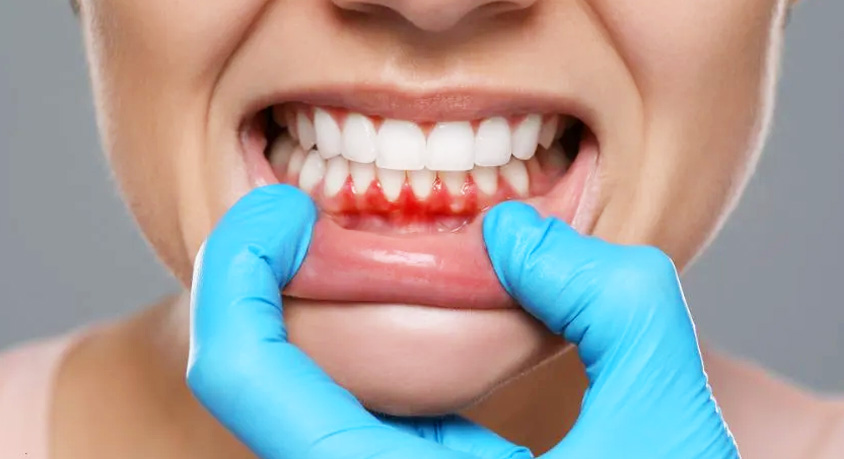
- 3、Why Your Gums Bleed
- 4、The Correct Way to Brush Your Teeth
- 5、FAQs
This confusion is common for people trying to stay hydrated. We’ve all been told that “drinking more water” is the solution to dehydration, but the truth is that hydration isn’t just about quantity—it’s about how you drink, when you drink, and whether your body can actually absorb the water you’re consuming. Let’s break down the science, the habits that hinder hydration, and the simple ways to make your water intake count.
Brushing Harder Removes More Plaque
A 2023 survey by the American Dental Association found that 65% of adults brush their teeth too hard, believing it’s the best way to fight plaque. But plaque is a soft film of bacteria that doesn’t require heavy scrubbing to remove. Brushing too hard or using a hard-bristle brush irritates the gums, leading to gum recession.
Gum recession happens when the gum tissue pulls away from the teeth, exposing the sensitive root area. This not only causes bleeding and sensitivity but also increases the risk of cavities and tooth loss over time. The goal is to clean gently, not forcefully.
The Right Brushing Pressure
Imagine holding a tomato while brushing—you want to apply enough pressure to clean, but not so much that you squish the tomato. Use a soft-bristle brush and gentle circular motions, focusing on one tooth at a time. Your gums should never bleed if you’re brushing correctly.

Longer Brushing = Better Results
Another common belief is that brushing for 5+ minutes will make teeth cleaner. But the American Dental Association recommends brushing for just 2 minutes total (30 seconds per quadrant of your mouth). Brushing longer than that, especially with too much pressure, wears down tooth enamel—the hard outer layer that protects teeth from cavities.
Enamel doesn’t grow back once it’s damaged. Over time, worn enamel leads to tooth sensitivity, discoloration, and an increased risk of cavities. Consistency and technique matter more than duration.
Why Your Gums Bleed
Bleeding gums are a sign of irritation or early gum disease, not “clean teeth.” If your gums bleed when you brush, it’s likely because:
- You’re brushing too hard or using a hard-bristle brush.
- You’re not flossing regularly (floss removes plaque between teeth that brushing misses).
- Your gums are inflamed from built-up plaque.
Fixing it is simple: switch to a soft-bristle brush, brush more gently, and floss once a day. Most people see less bleeding within 1-2 weeks of changing these habits.
The Correct Way to Brush Your Teeth
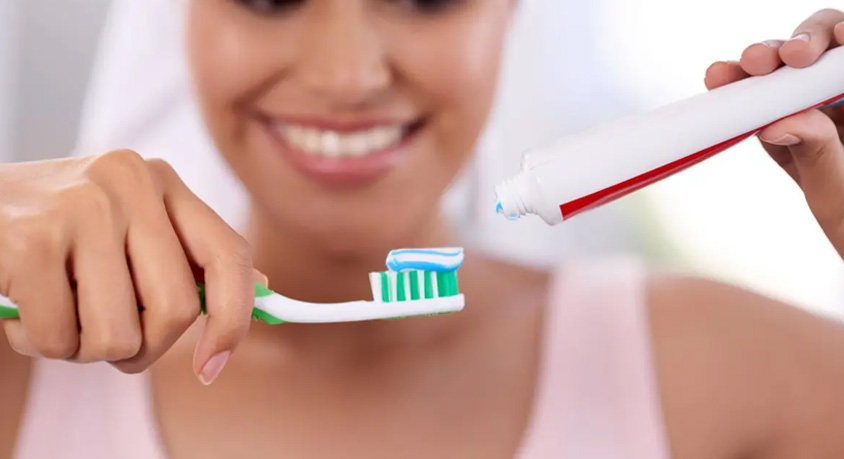
You don’t need fancy tools—just a soft-bristle brush, fluoride toothpaste, and the right technique:
- Hold your brush at a 45-degree angle to your gums.
- Use gentle circular motions (about the size of a dime) to clean the front, back, and top of each tooth.
- Brush the inside of your front teeth with gentle up-and-down motions.
- Don’t forget to brush your tongue—this removes bacteria that cause bad breath.
- Rinse with water and floss to clean between teeth.
FAQs
Q: Does a soft-bristle brush clean as well as a hard-bristle one?
A: Yes! Soft-bristle brushes are just as effective at removing plaque, but they’re gentler on gums and enamel. Hard-bristle brushes are unnecessary and can cause damage over time.
Q: Why do my teeth feel sensitive after brushing?
A: Sensitivity is often a sign of worn enamel or gum recession, both caused by brushing too hard. Switch to a soft-bristle brush, use less pressure, and consider a toothpaste for sensitive teeth.
Q: How often should I replace my toothbrush?
A: Replace your toothbrush every 3-4 months, or sooner if the bristles are frayed. Frayed bristles don’t clean effectively and can irritate gums.